
Where Time Is Measured in Milkings: Among Shepherds and Food Artisans in Montenegro’s Forgotten Highlands
Far above the Adriatic’s glittering shores and crowded cruise ports lies another world. In Montenegro’s dramatic mountain ranges, shepherd families still live by centuries-old rituals. We have travelled up to the high-altitude settlements—the katuns—where life is governed by the animals, the weather and the hard but hospitable work of making the mountains’ gold: cheese.
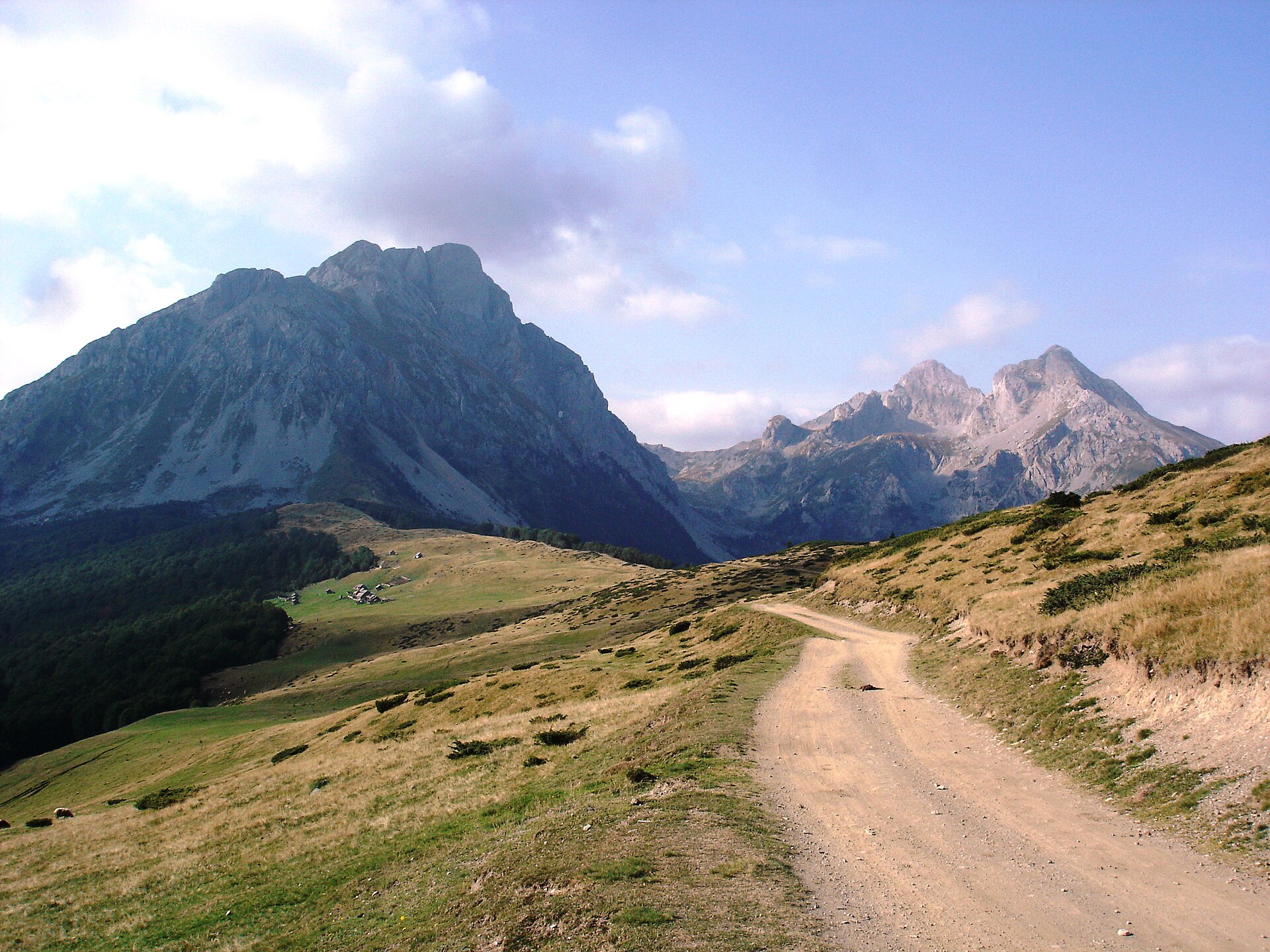
Most people who travel to Montenegro encounter the country where the Adriatic Sea crashes against steep limestone cliffs. They stroll along Kotor’s medieval lanes or sunbathe on the beaches of Budva. But turn your back on the coast and head uphill, along the breathtaking winding roads that climb past the historic mountain village of Njeguši, and the landscape changes quickly.
Up here, at more than a thousand metres above sea level, a completely different world opens up. A wild, windswept plateau of woodland and grassland stretches towards the horizon. It is here, in areas such as Durmitor, Sinjajevina, Komovi and Bjelasica, that Montenegro’s last nomadic shepherds spend the summer. They are called katuns: simple settlements of wood and stone that have formed the backbone of Montenegro’s mountain pastoralism for centuries.
Izdig – the ancient migration to the mountains
Every year, between the end of May and the beginning of June, one of the Balkans’ oldest living traditions takes place: izdig. As soon as the snow has melted from the highest passes, shepherd families pack their belongings and drive their herds from the dry valleys up to fresh summer pastures at elevations of between 1,000 and 1,800 metres.
This is no theatrical re-enactment for tourists, but a practical economic strategy that has remained the same since at least the 15th century, when katuns were first mentioned in written documents in 1435. The animals stay in the highlands until the first frosts in October, and during these months the katun is a workplace, a home and a community.
Up on the plateaus, the day is not measured by the clock on a phone. Its rhythm is governed entirely by the animals: the early-morning milking, herding across the flowering meadows and processing the milk in the evening.
The taste of the katun and the mountains’ gold
What makes life in a katun so special is the food craftsmanship practised in simple conditions. The milk produced up here carries the flavour of hundreds of different herbs and grasses that grow only on Montenegro’s high plateaus. It is a flavour profile impossible to replicate in the industrial dairies of the valleys.
Immediately after milking, the warm milk is strained and set aside to make cheese or kajmak (a creamy, salty dairy product somewhere between butter and cream cheese). On Sinjajevina and around Durmitor, the cheese is often aged in wooden tubs or leather sacks, giving it an intense, distinctive flavour.
When a guest steps over the threshold of a katun, the hospitality is absolute. Within minutes, a steaming-hot dish of kačamak is on the table. It is a traditional, extremely filling dish made from boiled potatoes and cornmeal, pounded together and then mixed with generous amounts of fresh cheese and kajmak. Another classic is cicvara, in which flour is cooked directly in melted kajmak until the fat separates and forms a golden surface. This is food made to provide energy for long, physically demanding days of work on the mountain.
Further west, in the shadow of Mount Lovćen, lies the village of Njeguši. Although Njeguši is now accessible by road and has permanent residents, its food craftsmanship is deeply rooted in the same mountain culture. Here, sea breezes meet the cold mountain air, creating the perfect microclimate for air-drying the famous njeguški pršut (ham) and maturing the firm Njeguši cheese. Together with the katun products of the highlands, these delicacies are the essence of Montenegrin cuisine.
Between threatened heritage and international recognition
Life in a katun, however, is no romantic idyll. It is hard, physical work in an isolated setting where the weather can quickly shift from brilliant sunshine to icy rain and fog. The modern world has meant that fewer and fewer young people want to take up the shepherd’s life. Many katuns are now empty, and the unique knowledge of mountain plants and traditional production methods is at risk of being lost.
But there is hope. Awareness of the katuns’ unique cultural heritage has grown, both nationally and internationally. In 2025, a nomination process is under way to have Montenegro’s katun system recognised by the UN agency FAO as a Globally Important Agricultural Heritage System (GIAHS). Such recognition would not only protect the landscape, but also give shepherd families stronger protection and better economic prospects.
The tradition of moba also lives on in people’s memories and is still practised from time to time. Moba is an ancient custom of collective neighbourly help. When a family faces a huge task—such as mowing, roofing or moving timber—neighbours from the surrounding katuns gather to help for free. The reward is company, a large shared meal and a few glasses of local rakija when the work is done.
Ecokatuns and katun trails – the new ecotourism
To ensure the katuns’ survival, local organisations have begun combining traditional farming with careful, small-scale ecotourism. With support from, among others, the Regional Development Agency for Bjelasica, Komovi and Prokletije (Regionalna razvojna agencija), shepherd families have been helped to adapt their settlements to welcome guests.
Today, hikers and cyclists can stay in so-called ‘ecokatuns’—simple but charming log cabins built in the traditional style. By integrating tourism into shepherding life, families can gain an additional source of income without having to give up their way of life.
Along the so-called ‘katun trails’—networks of marked paths that run over mountain ridges and connect different settlements—you can hike from one katun to another. Organisations and local operators such as Meanderbug and Nikena Eco Adventures have helped develop tours where visitors can experience everyday life, help with the milking, learn to bake traditional bread or simply listen to stories told to the sound of a gusle, the one-stringed instrument that has carried the mountains’ epic poetry for centuries.
As the sun sets behind Komovi’s sharp peaks and the cold moves across the grasslands, people gather around the fire in the cabin. The simple life in the katun suddenly seems not outdated, but rather a rare and valuable example of human harmony with nature. It is a heritage Montenegro would be wise to preserve.
Facts
KATUN CULTURE AT A GLANCE
- What is a katun? A temporary mountain settlement of wood or stone used by shepherds during the summer months.
- What is izdig? The annual movement of livestock from the valleys to mountain pastures, usually around the turn of May and June.
- Geography: The best-preserved katuns are in the Bjelasica, Komovi and Sinjajevina mountain ranges and around Durmitor National Park.
- Food: Don’t miss kačamak (a cornmeal and potato dish), cicvara (melted kajmak and flour) and fresh highland cheeses.
- Getting there: Several local ecotourism initiatives offer stays in log cabins with shepherd families. The best way to get here is on a guided tour or by following hiking routes such as the ‘katun trails’.
Sources & further reading
- traveltomontenegro.comŽivot na katunima Crne Gore | Tradicija i svakodnevica
- traveltomontenegro.comLife on the Katuns of Montenegro | Tradition and Everyday Life
- katunroads.meKatun Road The Great Highlands
- trappetravel.comTours in Montenegro: Eco Adventures Off the Beaten Path - TRAppe Travel
Share the article
Translated from Swedish with AI assistance. Read the original.


