
The Other Bucharest: When the city’s forgotten villas become creative havens
In the shadow of the communist era's monumental concrete palaces, a quiet revolution is taking place in Romania's capital. Bucharest’s young generation of architects and cultural workers have grown tired of watching the city's historic 19th-century villas decay – and are instead transforming them into bustling cultural hubs, bookshops and lush garden cafés.
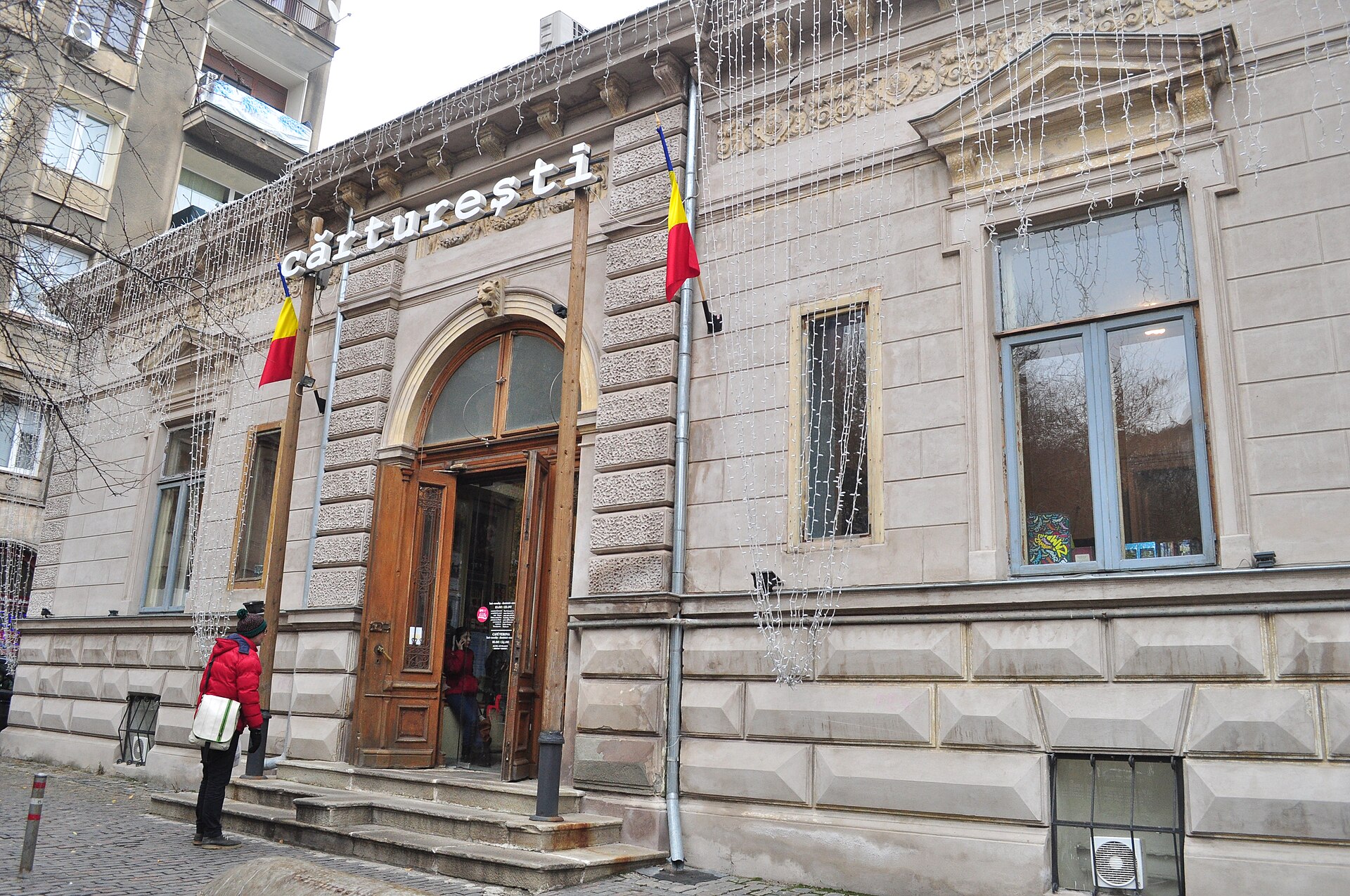
Anyone walking through Bucharest's old quarters, a short distance from the wide boulevards dictated by Nicolae Ceaușescu’s urban planners, is quickly met by a striking contrast. Here, along the narrow streets of Cartierul Armenesc or around Calea Victoriei, the light falls softly through the foliage onto a different kind of architecture. These are villas from the late 19th and early 20th centuries, built in an eclectic blend of French Belle Époque and traditional Neo-Romanian style, featuring intricate wrought-iron balconies, rounded turret rooms and heavy oak doors.
Many of these houses still bear the deep scars of decades of neglect. The plaster is peeling, wild ivy climbs freely over the ornamentation, and some windows are boarded up. But behind several of the heavy doors, something has begun to happen. The sound of typewriters, quiet discussions, espresso machines and jazz music drifts out onto the street. A new generation of Bucharest residents has decided that the city’s lost cultural heritage will become its future.
From grand homes to legal dead ends
To understand why these architectural treasures were left to decay, one must look back at Romania's turbulent 20th-century history. Before the Second World War, Bucharest was often called the "Paris of the East", a city shaped by cosmopolitan culture and wealthy families who commissioned extravagant private residences.
When the Communist Party took power after the war, everything changed. Private property was nationalised and the villas were confiscated. Instead of housing single families, the large rooms were partitioned to accommodate multiple working-class families, or converted into state offices. Maintenance was minimal, and original details were often covered up or destroyed.
Following the 1989 revolution, which saw the overthrow of Ceaușescu, the properties entered a new crisis. A complicated legal process began to return the houses to their original owners or their heirs. Many lawsuits dragged on for decades, and in the meantime, the houses stood empty. Some were bought up by speculators who deliberately let them decay, hoping the buildings would collapse so the valuable land in the city centre could be sold for modern office developments.
Saving a building is not just about preserving bricks and mortar. It is about restoring the city's memory and creating spaces where people actually want to meet.
The grassroots movement that refuses to forget
When the authorities failed to act, a powerful grassroots movement emerged. One of the most influential players in this movement is the organisation ARCEN (Asociația Română pentru Cultură, Educație și Normalitate). For several years, they have been working to map Bucharest’s historical heritage.
Through the Catalog București project, ARCEN and a large network of volunteers have catalogued thousands of historic buildings in the city. They have documented the condition of the façades, architectural details and legal status. The aim is to create a public register that makes it impossible for property owners to secretly demolish or alter heritage-listed houses.
ARCEN has also organised guided city walks on warm summer evenings, where thousands of Bucharest residents have gathered to learn about the city’s history. By raising the visibility of the villas, they have mobilised public opinion against demolitions and fostered a sense of pride among the younger generation.
Bookshops and cultural centres in historic settings
The most tangible result of this movement is seen in how the villas are now being used. Instead of becoming exclusive private homes or closed offices, they have become public spaces.
One of the earliest and best-known examples is Cărturești Verona. The bookshop chain Cărturești is renowned for establishing its branches in historic environments. On the street Strada Pictor Arthur Verona, they have taken over the historic villa of the prestigious Sturdza family. Here, they have restored the old wooden floors, preserved the stuccoes and filled the rooms with books, design items and a café. Tucked away at the back is a lush garden oasis that serves as one of the city's most popular meeting places during the summer months.
Another example of this transformation is Rezidența Scena9 on Strada I.L. Caragiale. This beautiful 19th-century villa is now owned by a cultural foundation and has been transformed into a centre for contemporary art, independent journalism and interdisciplinary projects. Where private salons once stood, exhibitions by young Romanian artists are now on display, and lectures and film screenings are hosted in the basement.
By stepping over the threshold of these venues, visitors are brought into direct contact with Bucharest’s history, whilst experiencing the city’s modern, progressive cultural life. It represents a vibrant counter-movement to the anonymous shopping malls and glass office complexes that have sprung up on the city's outskirts.
A race against time and bureaucracy
Restoring a heritage-listed villa in Bucharest is, however, far from simple. According to data from the Ordinul Arhitecților din România (the Romanian Order of Architects), the bureaucratic processes for obtaining building permits and restoration approvals are extremely slow and complicated. Approvals are often required from several different authorities, which can take years.
In addition, the financial challenges are enormous. Restoring an old villa properly – using traditional materials and craftsmanship – costs significantly more than building from scratch. For independent cultural operators and small entrepreneurs, it requires great resourcefulness, sponsorship and often thousands of hours of voluntary work to make the projects financially viable.
Despite the difficulties, the movement continues to grow. With every villa saved, attitudes are changing among both residents and decision-makers. Bucharest is slowly rediscovering its own identity, not by erasing the past, but by welcoming it into the present.
Sources & further reading
- ARCENARCEN - Asociația Română pentru Cultură, Educație și Normalitate
- Scena9Rezidența Scena9: Un spațiu cultural dedicat scenei contemporane
- Ordinul Arhitecților din RomâniaOrdinul Arhitecților din România (OAR)
- Catalog BucureștiCatalog București - Inventarierea patrimoniului
Share the article
Translated from Swedish with AI assistance. Read the original.


