
The Hermit of the Sea Returns: Sensational Encounters with the Rare Monk Seal in Croatia
For a long time, it was considered entirely lost to the Adriatic Sea. But now, a wave of marine biological hope is spreading along the Croatian coastline. The Mediterranean monk seal – one of the world's most endangered marine mammals – has once again been spotted in the crystal-clear waters around Istria and the Kvarner Gulf.
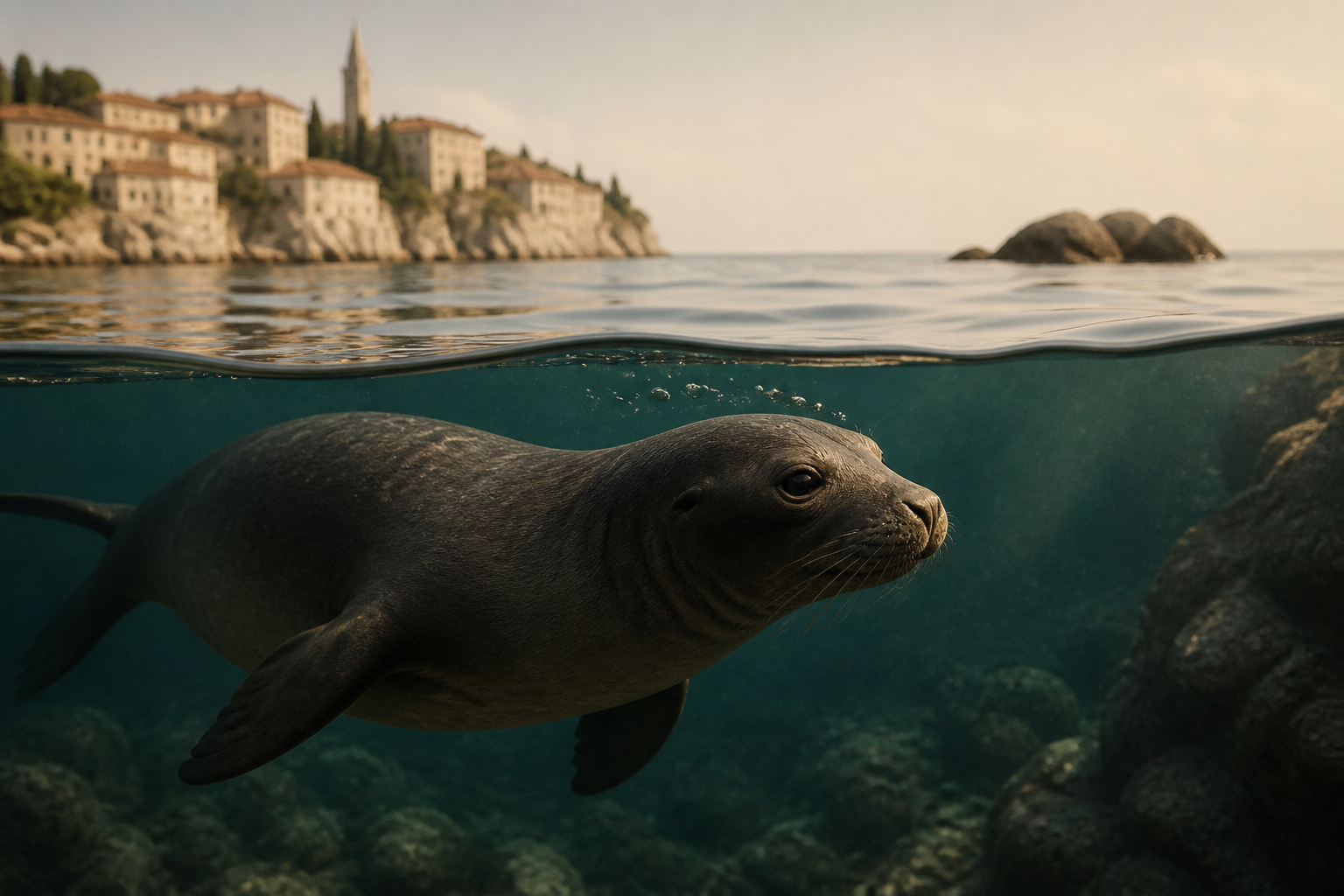
Beneath the surface of the crystal-clear water off the cliffs of Istria, a shadow moves that scientists long thought was gone forever. With its robust body, round head, and curious yet shy gaze, the Mediterranean monk seal is an almost mythical creature along the Adriatic coast. For generations of local fishermen, it was known as "morski čovik" – the sea man. But during the second half of the 20th century, the stories fell silent. After decades of hunting, expanding tourism, and destroyed habitats, the species was declared virtually extinct regionally in Croatian waters.
Now, the silent coast has welcomed visitors once more. In recent years, verified sightings of this rare seal have been made in several places in Croatia, including the Cape Kamenjak nature reserve at the southern tip of Istria, not far from the port city of Pula, as well as around the protected islands of the Kvarner Gulf.
The Sea Man Who Vanished – and Returned
Today, the Mediterranean monk seal is one of the absolute most endangered marine mammals in the world. Biologists estimate that only around 700 individuals remain globally. The largest surviving populations live in the hard-to-reach rocky archipelagos of Greece and off the coast of northwest Africa.
The fact that individuals are now choosing to return to the Croatian islands is a sensation for marine biologists. The return of the species is not only a victory for the individual animal, but strong proof that the long-term protection of coastal environments is yielding results. The clean, clear water that attracts millions of Nordic holidaymakers each year is also a prerequisite for the monk seal to be able to re-establish itself.
Proof of Cleaner Seas
Monk seals are extremely sensitive to human activity. Unlike many other seal species, they give birth to their pups in protected sea caves with hidden underwater entrances. When beaches are developed and boat traffic increases, these caves become uninhabitable. Sightings in recent years show that Croatian efforts to protect marine habitats, regulate boat traffic, and preserve untouched rocky coastlines are actually making a difference.
Scientists emphasise, however, that this is a fragile return. The individuals spotted are often solitary wanderers, and it is still too early to speak of a permanent, reproducing population in the Adriatic Sea. But every observation is an important piece of the puzzle in understanding how the species moves and how we can facilitate its re-establishment.
How to Act If You Meet One
For those holidaying in Istria, around Rovinj, or taking the ferry out to islands like Cres and Lošinj, there is now a small but real chance of catching a glimpse of this shy creature. Should you be lucky enough to encounter a monk seal during a swim or a boat trip, it is vital to show the utmost respect.
Conservation organisations emphasise that you should never actively approach the animal. If a seal is inside a cave, you must absolutely not enter, as this can scare it so much that it abandons its refuge. Keep a distance of at least 50 metres, turn off the boat engine, and enjoy the rare moment in silence. Protecting the sea man is a shared responsibility – and a prerequisite for the Adriatic's best-kept natural secret to continue to thrive.
Facts
THE MEDITERRANEAN MONK SEAL (Monachus monachus)
- Status: Critically endangered. The world's rarest seal species.
- Appearance: Can grow up to 2.5 metres long and weigh close to 300 kilograms. The fur is dark grey or brown with a lighter belly.
- The Name: The Croatian name "sredozemna medvjedica" means Mediterranean bear, but locally it is often called "morski čovik" (the sea man).
- Threats: Habitat loss, coastal development, disturbance from tourism, and collisions with boats.
Share the article
Translated from Swedish with AI assistance. Read the original.


