
The Great Imbalance in Student Flows: Why So Few Swedes Choose Belgrade and Zagreb
Every year, students from South-Eastern Europe head to Nordic universities. Yet despite low living costs, an intense cultural scene, and high academic standards, the outward flow from the Nordics rarely goes in the opposite direction. What is holding back the exchange between the Nordic region and the Balkans – and what are the students who never go missing out on?
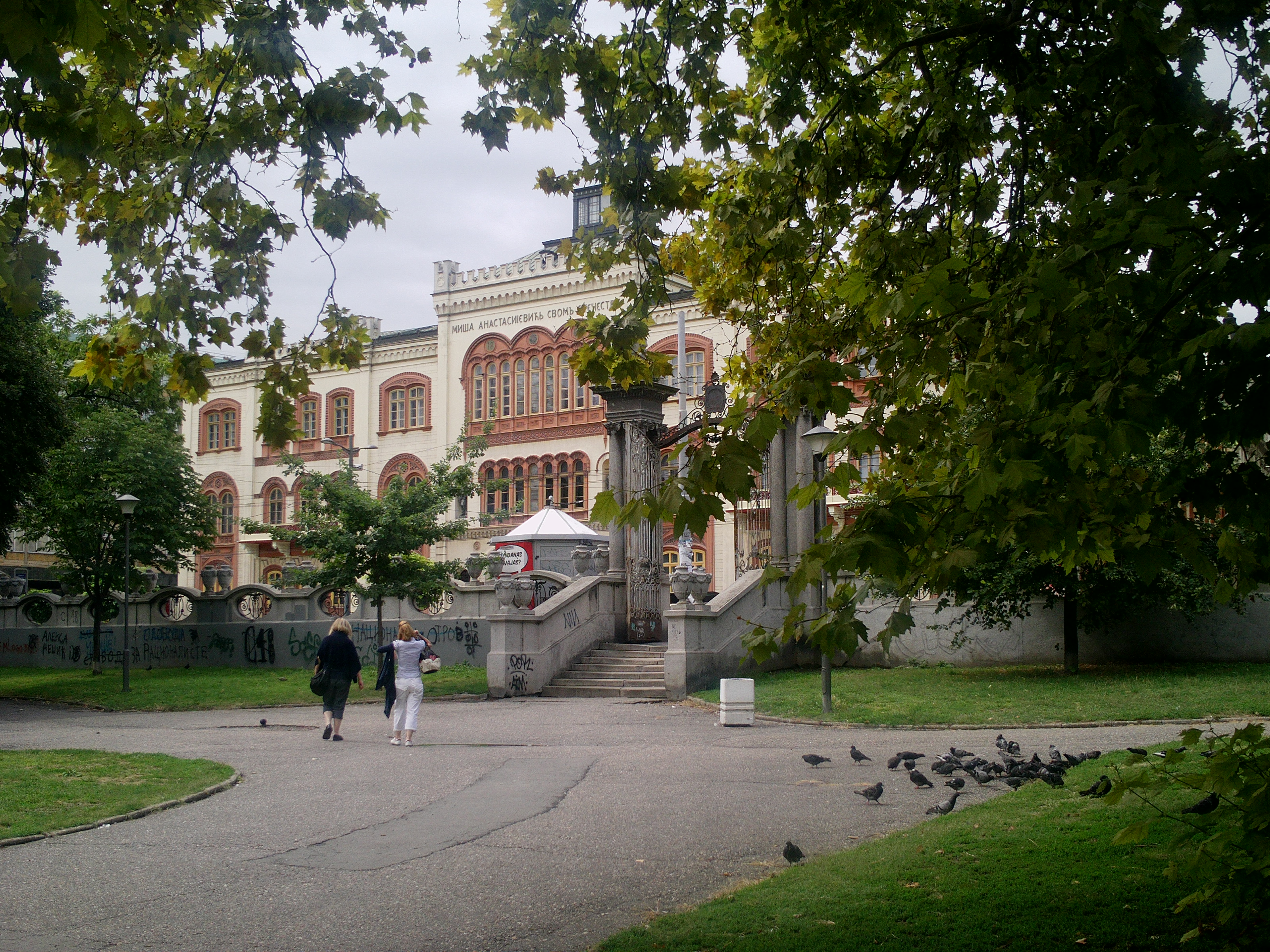
Every autumn, lecture theatres at Nordic universities fill up with international students. They have navigated application portals, hunted for sublets, and braced themselves for dark afternoons in exchange for high-quality education and functional public services. Among them are students from the Balkans, who come here both through Erasmus+ and as fee-paying degree-seeking students.
Meanwhile, the exchange places available for outgoing Nordic students at universities in Ljubljana, Zagreb, and Belgrade are rarely utilised. Although the EU's Erasmus+ exchange programme has opened the doors to the region wide, Southern and Eastern Europe remain a blank spot on the mental map of most Swedish students. When choosing a study destination abroad, they more often opt for traditional destinations in the UK, the US, or Western Europe.
This is an academic asymmetry that is as much about economics and legal structures as it is about old preconceptions.
A Lopsided Distribution of Dreams
For a student from Bosnia and Herzegovina, Serbia, or North Macedonia, a semester in Sweden can be a crucial career step. It offers access to English-taught courses in niche subject areas, modern laboratories, and a network that can open doors to the international job market. Furthermore, the Nordic welfare states hold strong symbolic value.
For Swedish students, the incentives are different. Swedish education already maintains a high international standard, meaning that the purely academic added value of an exchange is not always perceived as urgent. Instead, the exchange often becomes a lifestyle choice. Students head to well-known metropolises or sunny coastal cities.
Few realise before they set off that cities like Zagreb, Belgrade, and Sarajevo offer an almost unbeatable combination of vibrant urban culture, historical depth, and a cost of living that means student loans actually cover more than just rent and basic groceries.
Programme Countries and Complicated Borders
Part of the explanation for this uneven flow lies in how the European Erasmus+ exchange programme is structured. The rules of the game are not the same for all countries in the region.
Slovenia and Croatia have long been full "programme countries" within the EU. This means universities such as Univerza v Ljubljani and Sveučilište u Zagrebu belong to the same system as universities in Uppsala or Lund. The application process is standardised, grants are paid out automatically, and credit transfers usually take place without bureaucratic hurdles. Since 2019, Serbia has also been upgraded to a full programme country, making exchanges with universities like the University of Belgrade significantly easier than before.
The situation is different for countries in the Western Balkans that are not fully associated with the programme – including Bosnia and Herzegovina, Montenegro, Kosovo, and Albania. These are classified as partner countries.
Here, exchanges take place through more limited agreements known as International Credit Mobility. The quotas for how many students can travel are strictly regulated, and funding is more competitive. For a Swedish student, choosing Sarajevo or Pristina involves a more complicated administrative process than going to Ljubljana. Even if the will is there from both sides, bureaucratic obstacles often throw a spanner in the works.
Fine Dining Vouchers and Cheap Coffee
When it comes to financial reality, the contrasts between north and south are striking. For a student from the Balkans moving to Stockholm or Gothenburg, Swedish prices are often a shock. The Erasmus grant rarely covers more than actual accommodation costs, and finding a student room in Swedish university cities typically requires years on a waiting list or a great deal of luck.
For a Swede travelling south, the situation is reversed. Backed by Swedish student aid from CSN (Swedish student finance) and topped up with the Erasmus grant, purchasing power in the Balkans is very strong.
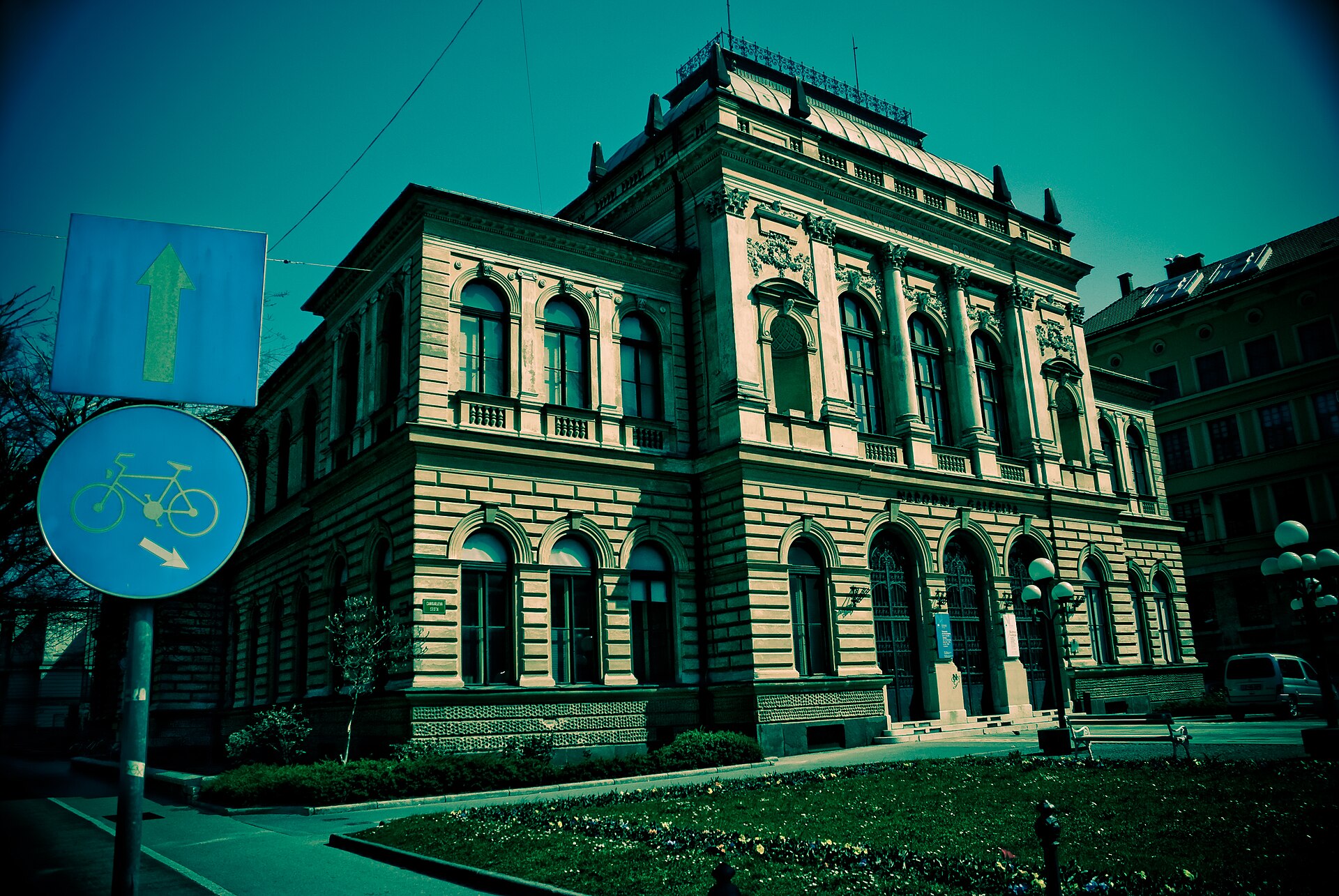
In Slovenia, there is also a system unmatched anywhere else in Europe: the so-called študentski boni. This is a national scheme where the Slovenian state subsidises student meals at regular restaurants. Via a mobile app or their student card, students in Ljubljana can eat high-quality food – everything from traditional Slovenian home cooking to sushi and Italian – at hundreds of restaurants for just a couple of euros.
In Croatia and Serbia, too, student life is structured around generous subsidies. Through the Croatian student card, popularly known as the X-ica, students gain access to the so-called menze – university-run student canteens. Here, cooked meals are served for a fraction of what they would cost in regular grocery stores. As a result, social life largely moves out to cafés and restaurants, creating a completely different sense of community compared to the Swedish packed-lunch culture.
High Academic Rigour and a Different Pace
Those students who do take the plunge and head to the Balkans often encounter an academic environment that differs from the Nordic one. In Sweden, students are used to taking one or two courses in parallel, with a strong focus on independent work, seminars, and a flat hierarchy where professors are addressed by their first names.
At universities in Belgrade or Zagreb, the system is often more traditional. It is not uncommon to take five or six courses simultaneously over a whole semester, with compulsory lectures and less room for personal interpretation. Hierarchies are more distinct, and address is more formal. Oral exams are still common, which can feel challenging for those used to anonymous, written hall exams.
Yet the greatest reward is often found outside the lecture halls. In cities like Zagreb, life is lived outdoors. Café culture is not just a way to consume caffeine; it is a social institution where people spend hours discussing everything from politics to weekend plans. Belgrade's raw energy, with vibrant neighbourhoods like Dorćol and clubs along the Sava and Danube rivers, offers an urban pulse that few Nordic cities can match.
Studying for a semester in the Balkans is therefore less about collecting academic credentials in a narrow sense, and more about challenging one's own perspectives on what Europe is. As long as Nordic students continue to look westwards, some of the continent's most vibrant university cities will remain a well-kept secret for the few who dare to choose a different path.
Facts
Sources & further reading
- cmepius.siCMEPIUS website
- studyinslovenia.siExchange Programmes - STUDY
- globaladmissions.comSlovenia Bilateral Scholarships (CMEPIUS)
- unizg.hrRazmjena studenata
Share the article
Translated from Swedish with AI assistance. Read the original.


