
Strindberg in the Balkans: Why Hundreds of Students in Belgrade, Zagreb and Sarajevo Choose Swedish
From Belgrade's bustling Studentski trg to the modern lecture halls of Zagreb and Sarajevo, hundreds of young people in the Balkans choose to study Swedish and Scandinavian languages every year. It is about much more than just grammar – it is a gateway to a growing job market, an intellectual challenge, and a living, human bridge to the Nordic region.
Under the tall trees of Studentski trg, in the beating heart of Belgrade, the rattle of trams mingles with the murmur of student voices. Here, at the Faculty of Philology (Filološki fakultet u Beogradu), a conversation takes place daily that at first glance might seem out of place under the warm Balkan sun. Young Serbians discuss the nuances of the Swedish subjunctive, analyse the poetry of Karin Boye, and debate the hard-to-translate concept of "lagom".
They are part of a quiet but powerful current running across Southeast Europe. In Belgrade, Zagreb and Sarajevo, hundreds of university students choose every year to dedicate their youth to mastering the languages of the cold lands of the north. What once began as a niche academic discipline has evolved into one of the most sought-after humanities programmes in the region – a ticket to a globalised job market and a living link between the Nordic countries and the Balkans.
The Pioneers on Studentski trg
The history of Nordic languages in the Balkans stretches back further than many might think. To understand its roots, we must look to the post-war era, a time when the former Yugoslavia was balancing between East and West. There was a genuine interest in the Scandinavian social model, its literature, and its progressive ideas.
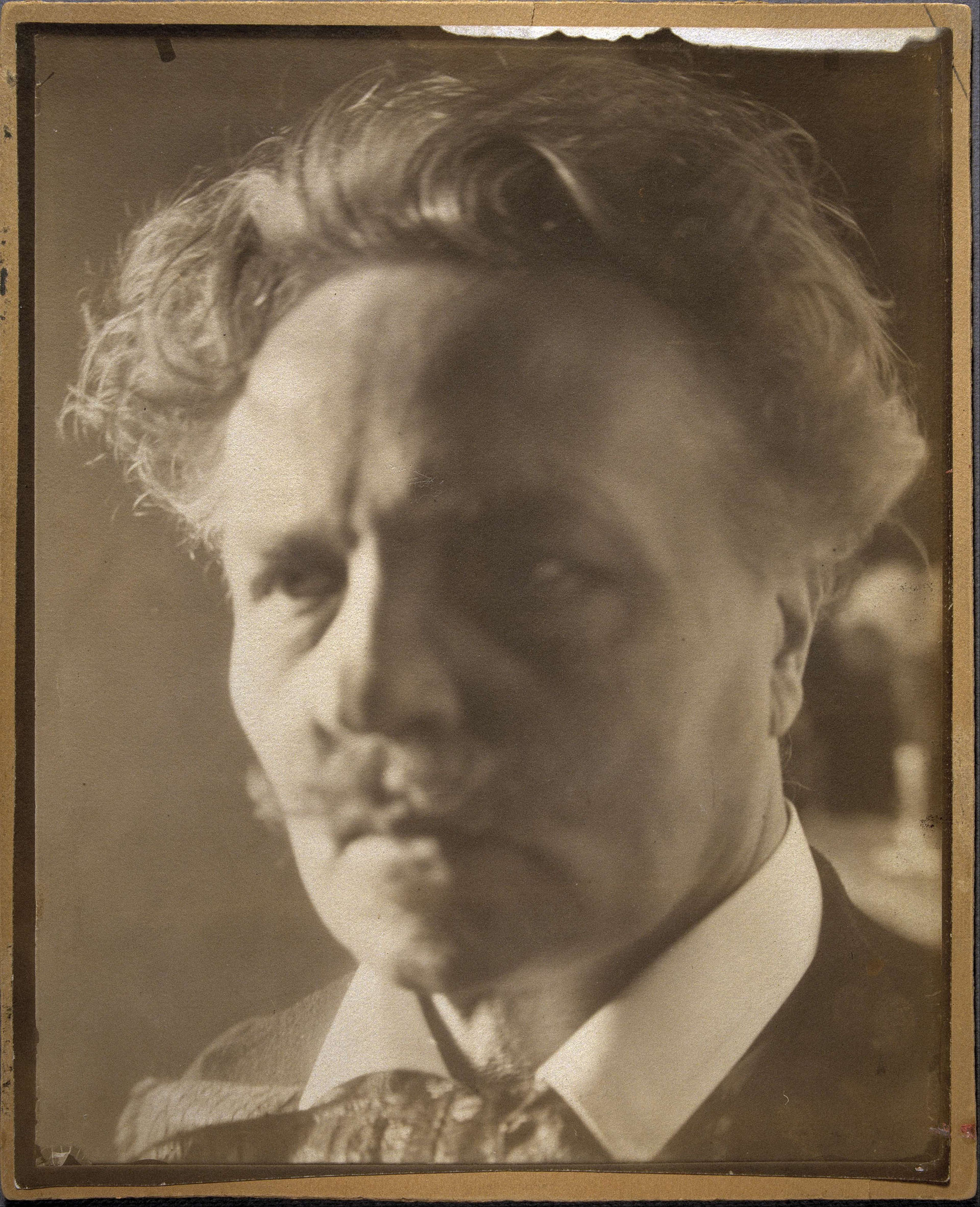
In Belgrade, Scandinavian studies were established early. What is today the Department of Scandinavian Studies (Katedra za skandinavistiku) at the University of Belgrade was founded in the late 1970s and has served for decades as the intellectual hub for Nordic studies in the region. Initially, the goal was to make literary giants like August Strindberg, Henrik Ibsen, and Hans Christian Andersen accessible in the local language.
Today, this historical foundation has been transformed into a modern, dynamic institution. The programme is no longer just about memorising vocabulary, but about understanding the underlying social structures that have shaped modern Scandinavia. Students analyse the emergence of the welfare state, contemporary Nordic literature, and gender roles. Stepping into the department's library on Studentski trg is like being transported to a Swedish public library, filled with everything from classic novels to recent non-fiction on Nordic design and environmental policy.
Innovative Methods and Film in Zagreb
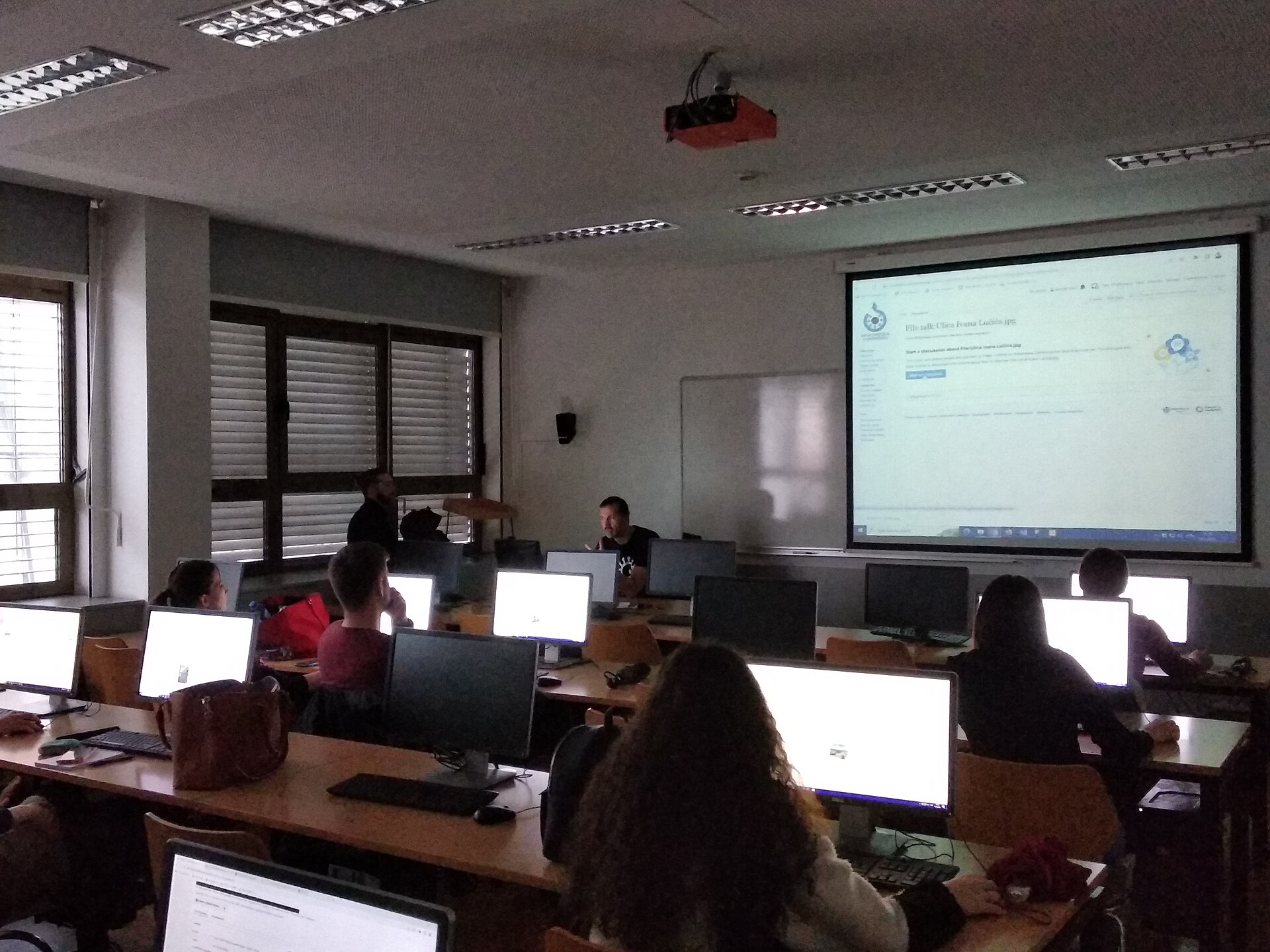
Further west, at the Faculty of Humanities and Social Sciences (Filozofski fakultet u Zagrebu), part of the University of Zagreb (Sveučilište u Zagrebu), a slightly different, highly modern approach has been adopted. Here, Scandinavian studies have fully embraced the contemporary media landscape under the guidance of experienced academics such as Professor Goranka Antunović. The department has recognised that language learning in the twenty-first century demands new tools.
One of the most popular elements of the Zagreb curriculum is the course Skandinavski film (Scandinavian Film). By analysing everything from Ingmar Bergman's existential dramas to modern Nordic Noir and the Dogme movement, students gain a deeper understanding of the Nordic temperament. Film becomes a pedagogical shortcut to the language, culture, and social codes.
But it does not stop at cultural analysis. The programme in Zagreb places great emphasis on vocational preparation. Through courses such as Prevoditeljski praktikum (Translation Practicum), students like Sara Profeta and Miro Frakić are thrown straight into real-world scenarios. Here, they translate everything from legal contracts and EU documents to contemporary fiction and technical manuals. The goal is to demystify the translator's profession and prepare students for a market where precision and cultural sensitivity are paramount.
Here, literary studies and linguistics meet practical reality. Students learn to navigate between two very different language systems. Interestingly, the South Slavic languages and Swedish share a rare linguistic feature: pitch accent. Learning the difference between the acute and grave accents in Swedish (such as anden, meaning either "the duck" or "the spirit") is actually made easier by the fact that students are already accustomed to the complex tonal patterns of their native tongues, even if the Swedish "sj" sound still causes plenty of headaches during pronunciation practice.
Sarajevo's Personal Connections
In Bosnia and Herzegovina, at the Faculty of Philosophy (Filozofski fakultet u Sarajevu), which is part of the University of Sarajevo (UNSA), the interest in Swedish often has a different, more personal foundation. The connection between Bosnia and Sweden is deep and shaped by modern history. The large Bosnian diaspora in Sweden – which fled the war during the 1990s and today forms a well-integrated part of Swedish society – has created thousands of invisible threads between the two nations.
In Sarajevo, one often meets students who have relatives in Gothenburg, Malmö, or Stockholm, or who spent their early childhood in Sweden before their families returned. For them, studying at UNSA is about reconnecting with a language they may have heard at home growing up, but which they now wish to master at a professional, academic level.
However, the department also attracts students with no family connections at all – young people who see the Nordic region as a symbol of stability, social justice, and green innovation. In a city shaped by its complex history, Scandinavian languages offer a way forward, a way to look towards Northern Europe with fresh, professional eyes.
From the Lecture Hall to the Job Market
The big question for any humanities student, of course, is what happens after graduation? In the past, the path towards becoming a librarian, researcher, or dedicated literary translator was the default. Today, reality looks very different. There is an acute demand for Scandinavian-speaking labor in the region.
Many major Nordic companies have established themselves in the Balkans, and cities like Belgrade, Zagreb, and Sarajevo have become regional hubs for IT services, outsourcing, customer support, and business development. Speaking fluent Swedish, Norwegian, or Danish, combined with local knowledge, makes these young people highly competitive. Many are recruited straight from university by international companies, embassies, chambers of commerce, or non-governmental organisations.
For the students, the applied courses and practical experience serve as the crucial bridge into professional life. It is here they realise that their knowledge of a minor Germanic language on the fringes of Europe is actually highly valuable currency at home.
As the afternoon sun begins to sink over the Sava and Danube rivers in Belgrade, or over the surrounding mountains in Sarajevo, the students linger in the cafés around the universities. They study vocabulary, laugh at the elusive Swedish vowels, and plan future exchange semesters in Uppsala, Zagreb, or Oslo. They may be studying a language spoken by just over ten million people in the north, but here in the Balkans, they are building a bridge that makes their own world significantly larger.
Facts
Sources & further reading
Share the article
Translated from Swedish with AI assistance. Read the original.


