
Stone by stone, history was rebuilt: How Swedish architects saved the Balkans’ cultural heritage
As the wars in the Balkans raged during the 1990s, it was not only human lives that were lost: centuries of shared history and architecture were also razed to the ground. From the ruins emerged the Swedish foundation Cultural Heritage without Borders. Using lime mortar, hand-carved stone and determination, for almost three decades they have helped heal the region’s wounds.
When the smoke cleared over cities such as Sarajevo, Mostar and Stolac in the mid-1990s, residents were confronted with a devastating sight. It was not just homes reduced to rubble and infrastructure destroyed. Some of the region’s most valuable historic monuments – Ottoman bridges, centuries-old bazaars, Catholic churches and venerable mosques – had been systematically razed.
The destruction was no accident. It was a deliberate strategy to erase the traces of the different peoples’ shared history and peaceful coexistence.
In Stockholm, a group of Swedish architects, antiquarians and heritage conservationists reacted to the cultural genocide. Under the leadership of, among others, National Antiquarian Margareta Biörnstad, the foundation Cultural Heritage without Borders (CHwB) was established in 1995. The idea was simple but radical: to use the reconstruction of tangible cultural heritage as a tool for reconciliation, peace and hope for the future.
With financial support from the Swedish International Development Cooperation Agency (Sida), the Swedish experts began work that would span three decades and profoundly influence how cultural heritage is preserved in the Balkans today.
The renaissance of forgotten crafts
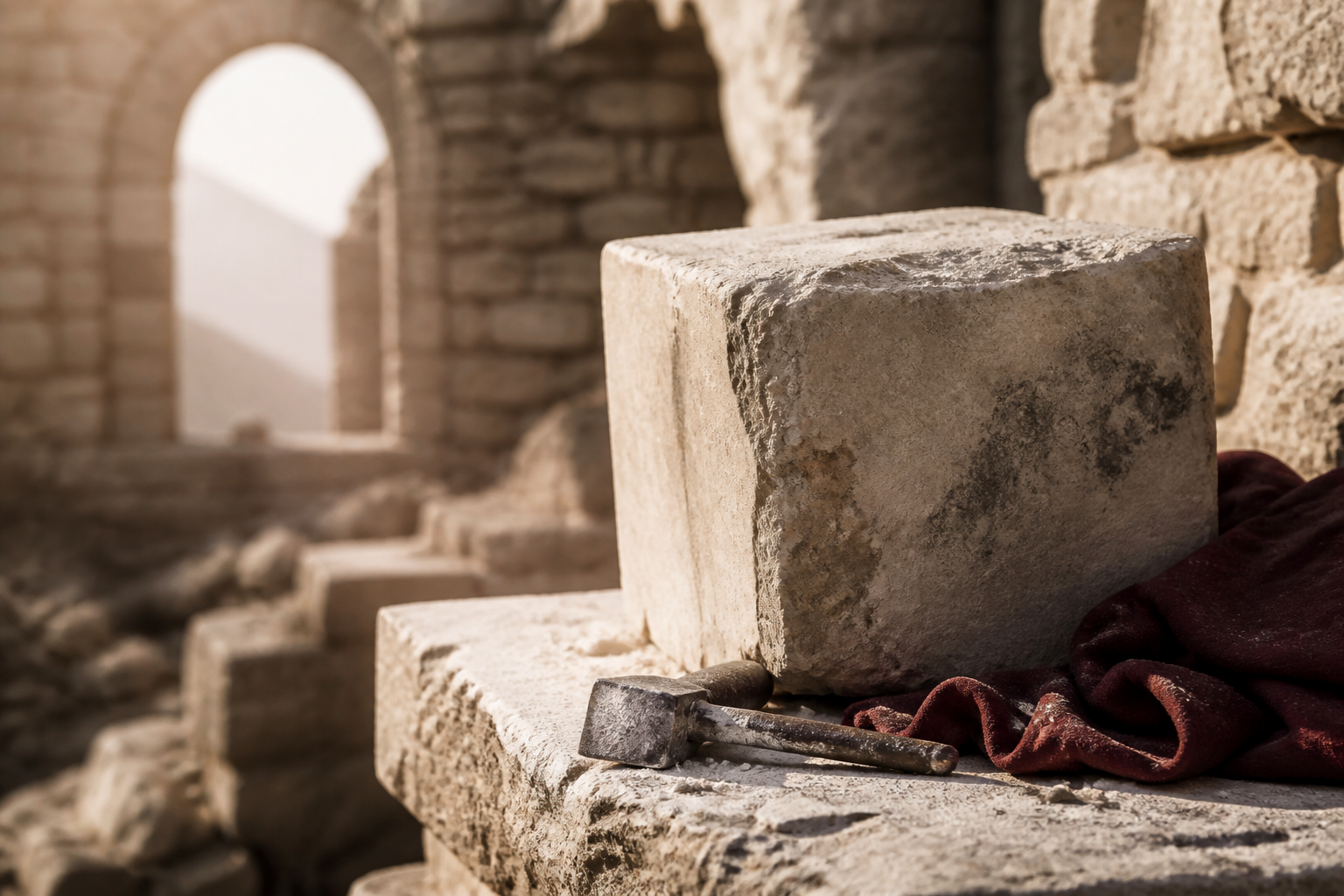
Restoring historic buildings after a war is not about quickly putting up concrete replicas. For the Swedish architects and their local colleagues, the method was as important as the goal. The work required traditional materials and almost-forgotten craft techniques.
Instead of modern cement, which traps moisture and damages old stone walls, craftspeople learned to slake lime and mix lime mortar according to historic recipes. Foresters and carpenters had to search for the right kind of timber, which could be worked with hand tools.
This determination to preserve authentic craftsmanship meant that the project not only saved physical buildings, but also revived a craft tradition that was dying out in the region.
From Gjirokastër’s slate roofs to Kosovo’s kullas
The work quickly spread from Bosnia to other parts of the Balkans. In Albania, attention turned to the UNESCO-protected city of Gjirokastër. After decades of closed communist dictatorship followed by economic collapse, the city’s unique Ottoman stone houses, with their distinctive slate roofs, were in a state of urgent decay.
Swedish CHwB set up Regional Restoration Camps in the city. Through these camps, hundreds of young students and craftspeople from across the Balkans have received practical training in restoring historic environments. One of the best-known projects is the Babameto House in Gjirokastër, a grand 19th-century house that was saved from total ruin and today serves as an award-winning cultural centre and hostel.
In Kosovo, where the war in the late 1990s left deep scars, the foundation focused, among other things, on saving the traditional kullas – fortified stone houses unique to the region. By working closely with the local families who owned the houses, they succeeded not only in preserving the architecture but also in giving residents back some of their identity and pride.
Building bridges with lime and brick
Perhaps the most remarkable thing about the Swedish initiative was the way it brought people together. During the restoration camps, young Serbs, Albanians, Bosniaks and Croats had to work side by side.
Working together to solve practical problems – such as how best to point a stone wall or restore a decorative wooden ceiling – proved more effective for reconciliation than many political conversations. New friendships were forged around lime tubs and workbenches, while shared cultural heritage once again became something that united rather than divided people.
Today, the local offices in Sarajevo, Pristina and Gjirokastër have become independent organisations run by local people, but close ties with Sweden remain. When Nordic tourists today wander through the bazaars of Sarajevo, stay in charming cultural guesthouses in Albania or photograph Kosovo’s stone houses, they are following in the footsteps of a unique Swedish aid project that showed how a society can be healed – stone by stone.
Facts
CULTURAL HERITAGE WITHOUT BORDERS (CHwB)
- Founded: 1995 in Stockholm in response to the destruction of cultural heritage during the wars in the Balkans.
- Pioneers: The initiative was taken by Swedish architects and heritage conservationists, with support from, among others, the Swedish National Heritage Board.
- Method: Practical preservation of historic buildings combined with training in traditional crafts and reconciliation work.
- Main sponsor: Over the years, the work has been funded to a large extent by the Swedish International Development Cooperation Agency (Sida).
- The legacy today: The local offices in the Balkans now operate as independent non-governmental organisations (NGOs), with local staff but a continued focus on cultural heritage as a bridge-builder.
Sources & further reading
Share the article
Translated from Swedish with AI assistance. Read the original.


