
Šipčanik – the hangar where Montenegrin wine matures
At Šipčanik, outside Podgorica, oak barrels have taken the place of aircraft. Plantaže’s underground wine cellar brings together military engineering and Montenegrin winemaking – but it is the vranac grape that gives a visit its real substance.
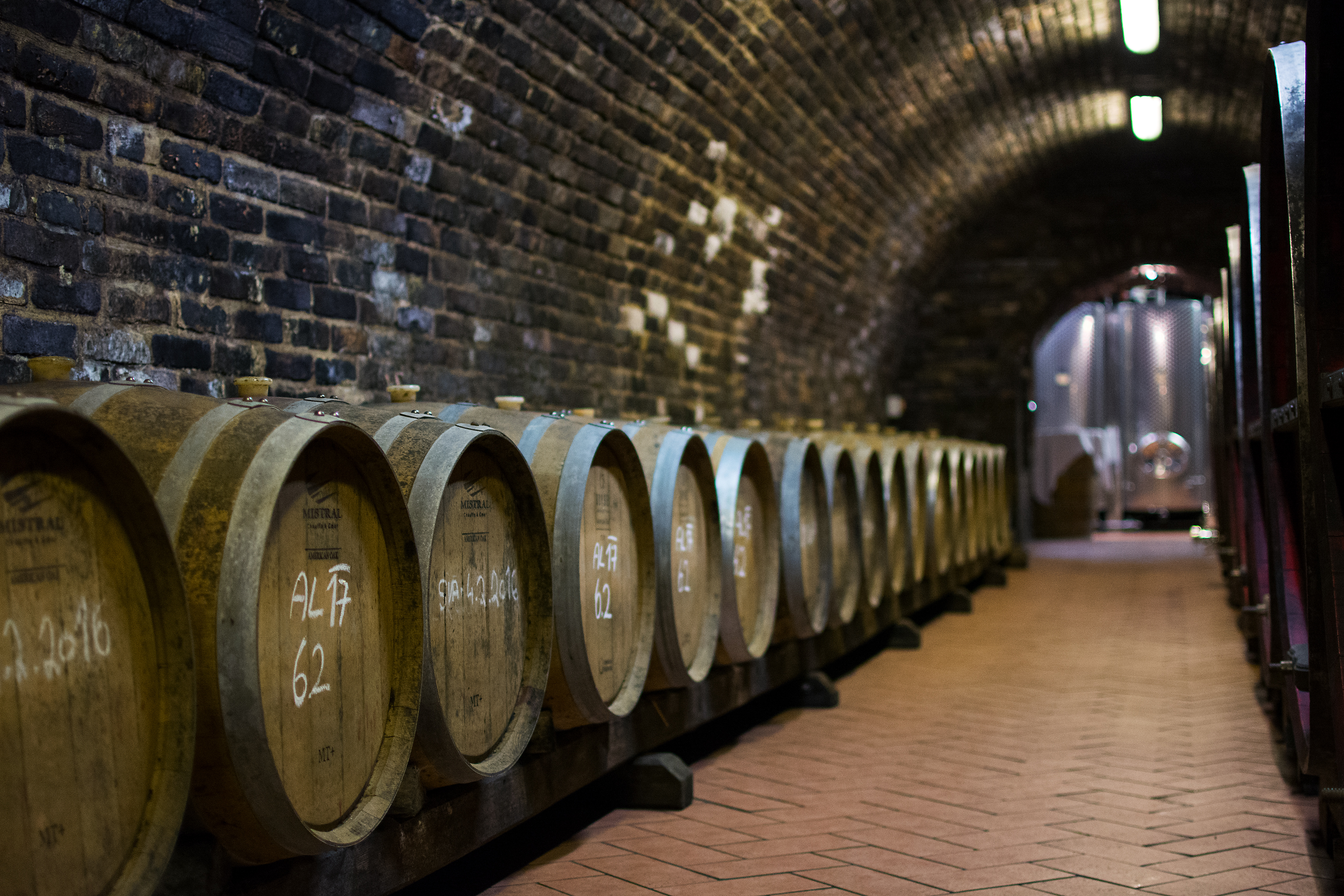
A 320-metre-long tunnel offers a different perspective on wine from a row of bottles on a shop shelf. At Šipčanik, oak barrels stand inside the mountain, beneath a vaulted ceiling built for purposes quite different from wine storage. The space was designed to protect aircraft. It is now used by the Montenegrin wine producer Plantaže.
The contrast is immediate, even if you know nothing of the military history: the extended shape, the mass of the mountain and the rows of barrels. This is not a wine cellar dug out for the purpose. Wine production has moved into an existing facility, giving its dimensions a new function.
Outside, the vineyards lie on Ćemovsko polje, the plain around Podgorica. There, the work is about sunlight, heat and the ripening of the grapes. Inside Šipčanik, it is about allowing the wine to develop under controlled conditions. The relationship between these two environments is every bit as interesting as the building’s transformation.
An aircraft shelter becomes a wine cellar
Šipčanik is often described as an old aircraft hangar. It is an understandable description, but the word may bring to mind a standalone building at an airfield. Here, it is an underground aircraft shelter built into a rise beside the plain.
The facility was part of the military aviation environment around Golubovci, where Knjaz Danilo Air Base is located. A six-kilometre-long taxiway connected Šipčanik to the main runway. The aircraft shelter was therefore not an isolated bunker: it was part of a system in which aircraft could be moved between shelter and airfield.
Its connection to the Yugoslav Air Force, including its 172nd Air Brigade, places the tunnel within a broader story of how military infrastructure shaped the landscape. What today reads as the wine cellar’s unusual architecture had a practical purpose. Its length, openings and space were needed for aviation operations.
The facility’s history also includes war damage and subsequent restoration for its new use. Its conversion into a wine cellar therefore involved more than putting barrels in an abandoned room. A damaged military space had to become a functioning environment for food production, storage and visitors.
That is an important distinction. Šipčanik is not a preserved aviation facility with wine added as an afterthought. It is a wine cellar whose building still reveals its former purpose.
Part of a broader defence strategy
Underground aircraft shelters were part of Yugoslavia’s military infrastructure. Mountains and rises were used to protect equipment and operations, and the facilities’ architecture was shaped by defence needs rather than life above ground.
When this is described as an underground network, it is easy to imagine tunnels connecting distant places. It is more accurate to think of a system of separate, protected facilities. Šipčanik is part of that history, but it needs no stories of secret passageways to be interesting.
Today, the building can be read in two ways. It tells of the effort to protect aircraft inside the mountain, but also of the possibility of reusing a highly specialised structure. The same mountain that provided military protection now helps create an environment in which wine can be stored.
The history remains in the proportions. It need not take over the tasting.
Underground, with the plain as its starting point
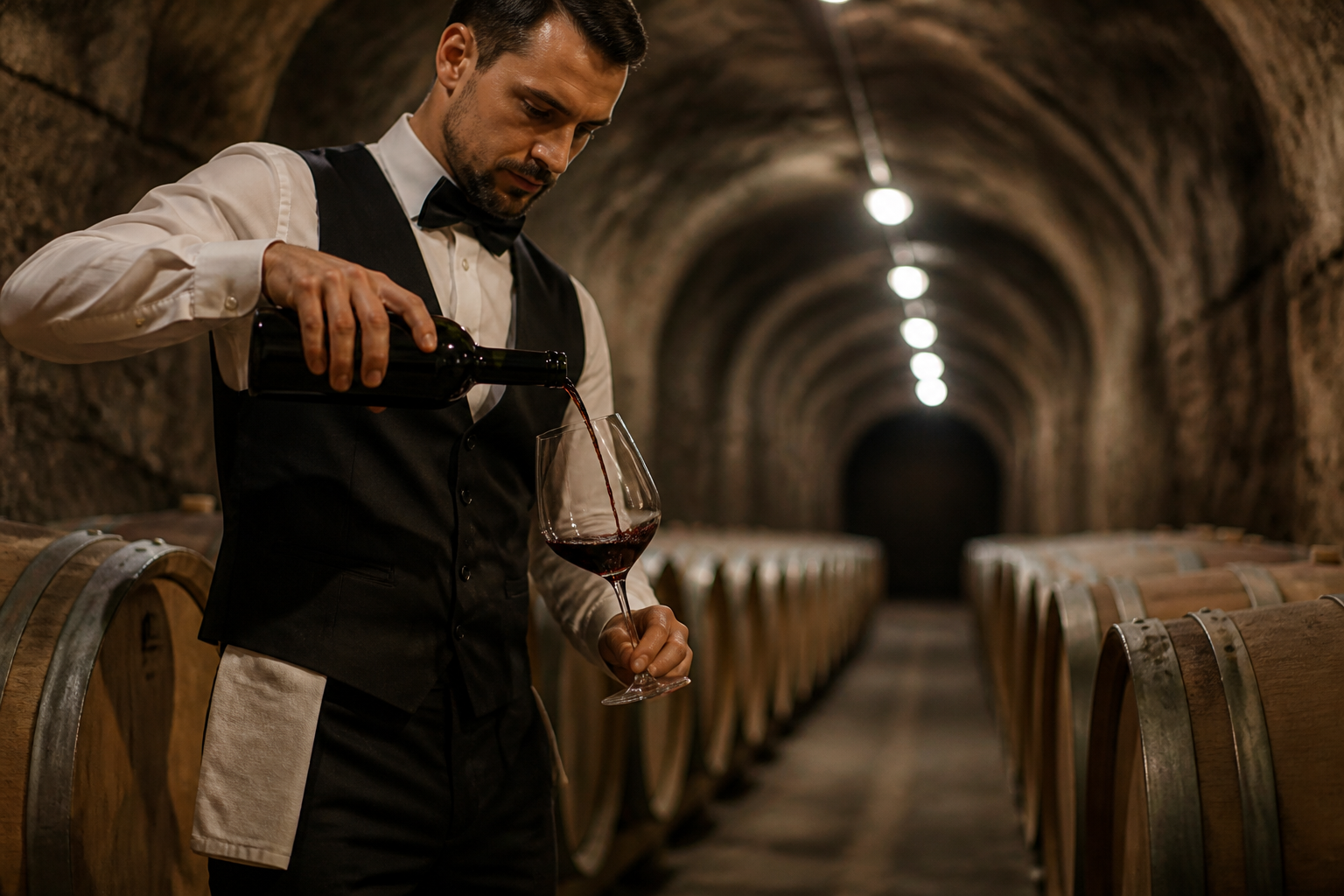
The cellar lies about eight metres underground. The surrounding mass of the mountain helps moderate temperature fluctuations, a valuable feature for wine storage. That does not mean an underground room takes care of winemaking on its own: hygiene, ventilation and control of the storage environment remain essential.
At Šipčanik, French and Slavonian oak barrels are among those used. Slavonia is a region of Croatia with an established tradition of oak for wine barrels. The different origins are interesting, but they do not on their own determine how the finished wine will taste. The size, age and treatment of the barrels, as well as the time the wine spends in them, also matter.
Oak, then, is not simply a taste of wood, vanilla or spice. Barrel ageing affects how the wine develops and how its different elements come together. A large barrel and a smaller, new cask do not offer the same conditions.
For visitors, this is worth taking a moment to consider. The tunnel is the first thing you will want to photograph, but the barrels explain why the space is actually used. It is part of the production process, not just a backdrop for a glass of wine.
Vranac gives the place its substance
The tunnel is the first thing you will want to photograph, but the barrels explain why the space is actually used.
Vranac is a key red grape variety in Montenegrin winemaking and an obvious starting point for understanding Plantaže. It is associated with deep colour, pronounced fruit and tannins that give the wine structure. Dark cherries and plums are common associations, but vranac does not have a single, fixed flavour profile.
Growing site, harvest ripeness and winemaking all influence its character. A fruit-driven wine and a more developed, barrel-aged wine can reveal different sides of the same grape. That is why a tasting becomes interesting when it goes beyond asking which glass feels the most powerful.
Plantaže’s Vranac Pro Corde is a specific name to know from the producer’s range. But no single label should be expected to represent everything the grape can be. Instead, ask which vranac wines are included in the current tasting and how they differ in production and ageing.
Notice where the fruit sits on the palate, how the acidity holds the wine together and how the tannins feel against your gums. Is the astringency firm or softer? Does the oak stand out, or sit behind the fruit? Questions like these make the barrels around you easier to understand without turning the tasting into a technical lecture.
This is also where the place finds its connection to the wine. A tunnel can be reused in many ways. Vranac ties this particular tunnel to Montenegro’s vineyards and winemaking tradition.
Visit for both the building and the wine
Wine tastings at Šipčanik bring the architecture and its contents together. If you are planning a visit, it is a good idea to contact Plantaže about the current arrangements and booking. The wines served and the parts of the operation shown should not be taken for granted.
If possible, choose an experience that leaves room to talk about ageing, not just labels and grape names. Asking why a particular wine goes into a particular barrel leads straight to what makes Šipčanik more than an unusual venue.
A visit also offers a different way into Montenegro from its coastal towns and swimming coves. Here, the experience lies in the plain’s agricultural landscape, the producer’s work and a space given a new purpose. The surroundings of Podgorica become part of the journey, not just a stretch of road on the way somewhere else.
Barrels now stand in the tunnel where aircraft were once protected. The transformation is striking enough in itself. But when the glass is filled, it is not the building’s past that should be judged, but the wine: the fruit from Ćemovsko polje, the tannins in the vranac and what time in the cellar has done to them.
Share the article
Translated from Swedish with AI assistance. Read the original.


