
Pumpkin seed oil from Štajerska: Kocbek’s liquid green gold
In north-eastern Slovenia lies one of Central Europe’s most distinctive gastronomic treasures. The dark emerald-green pumpkin seed oil from the Štajerska region has made its way to fine-dining restaurants around the world. At the Kocbek family business in Stara Gora, the craft has been refined for almost a century.
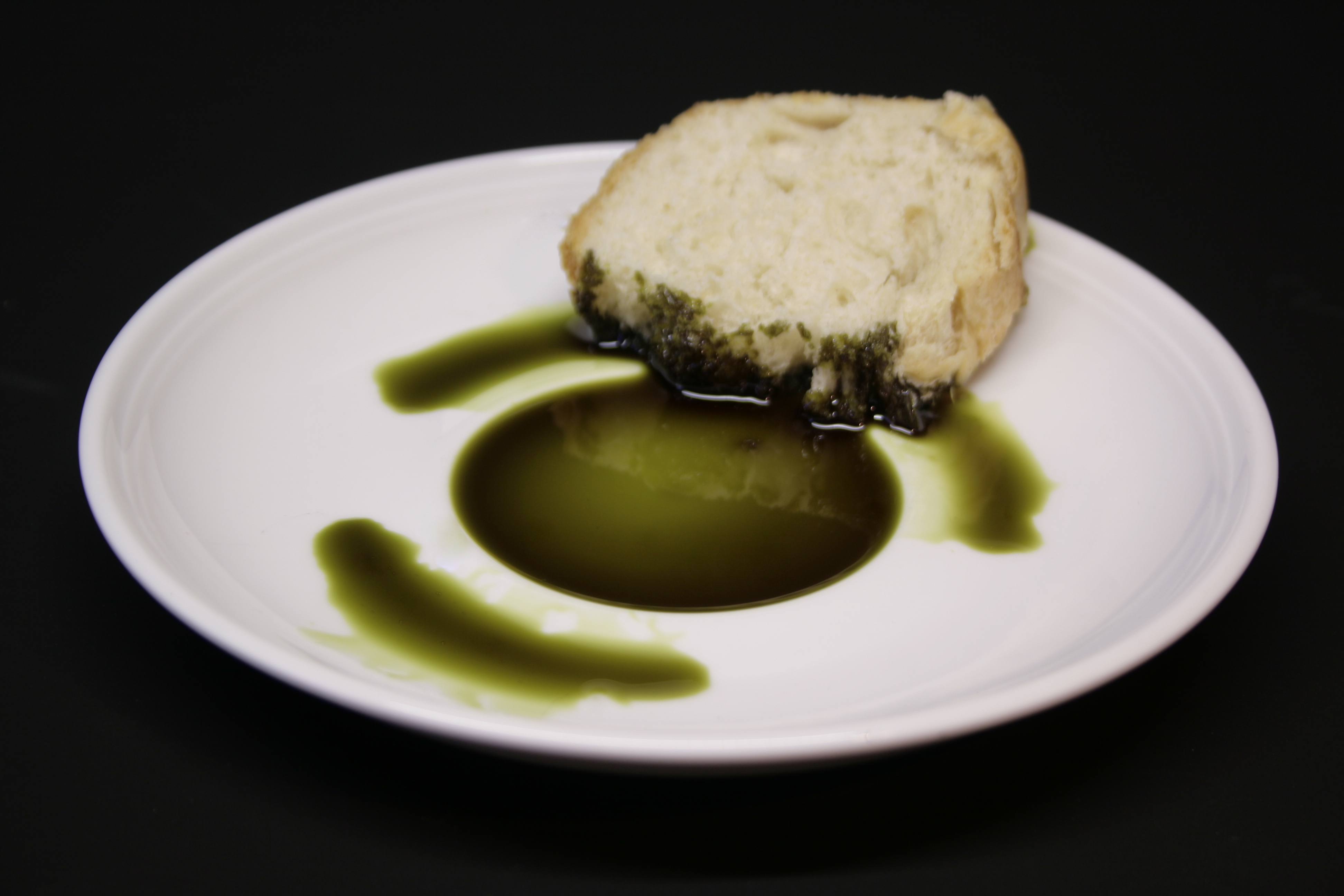
Emerald green, thick and richly nutty in aroma. Slovenian pumpkin seed oil – bučno olje in Slovenian – is one of the region’s best-kept culinary treasures. In the historic region of Štajerska in north-eastern Slovenia, making this oil has been elevated to an art. Among the leading exponents of the craft is the Kocbek family business, which has been pressing oil in the same mill since 1929.
A family history spanning three generations
The story of Oljarna Kocbek begins in the village of Stara Gora, set among the rolling hills near Sveti Jurij ob Ščavnici. It was here that Alojz Kocbek and his wife Antonija founded the mill in 1929. Their vision was simple but ambitious: to extract the purest possible oil from the seeds of local pumpkins, without any additives.
The work was carried on by their son Anton Kocbek, and today it is his grandson Gorazd Kocbek who runs the business. Under his leadership, Kocbek has managed to preserve old traditions while bringing its products into modern fine dining. The bottles, often elegantly styled with a minimalist design, contain oil made according to the same principles as in his grandfather’s day.
The craft: stone grinding versus metal rollers
What sets Kocbek apart from large-scale industrial producers is its approach to the production process. To understand the difference in flavour, it helps to know how the seeds are treated before they are pressed. At Kocbek, two different methods are used to grind the dried pumpkin seeds: traditional stone grinding and metal rollers.
The stone grinding takes place in the family’s historic oil mill, dating from 1929. This method is used mainly for the classic oil, which comes in the family’s dark-labeled bottle. Using millstones gives the oil an even darker colour, a higher density and a slightly different flavour. It is time-consuming work, but the result is an oil with a deep, full-bodied, roasted character.
For the organic range, recognisable by its black label, metal rollers are used instead. This method is more mechanically precise and makes it easier to handle certified organic seeds under strict conditions. The oil produced this way has a somewhat different profile – clean and elegant, with a distinct, fresh green character.
Warm-pressed versus cold-pressed
Traditional Slovenian pumpkin seed oil is warm-pressed. The process involves grinding, roasting and pressing the seeds. Roasting is an important step in the production process. Experience is needed to judge exactly when the seeds have reached the right temperature and moisture level. Once roasted, the seeds are pressed under high pressure in a hydraulic press.
Kocbek also offers cold-pressed pumpkin seed oil. In cold pressing, the seeds are pressed directly, without first being ground or roasted. This produces an oil with a completely different character.
Visit the mill: Tasting in Stara Gora
For food-loving travellers, a visit to Oljarna Kocbek is a journey through time and flavour. The family arranges guided tours of the mill, where visitors can follow the whole process from seed to bottle. They can see the historic equipment in action and learn to recognise the subtle changes in aroma as production progresses.
The tour is followed by a tasting. Here, visitors learn that pumpkin seed oil is far more than just an addition to salad dressing. Kocbek shows how the oil can be used in all kinds of dishes: as a topping for salads, in marinades and sauces, with pasta and risotto, alongside hot and cold meat dishes, in soups and desserts, and in various spreads. It has a distinctive aromatic smell and flavour that enhances dishes.
Sources & further reading
Share the article
Translated from Swedish with AI assistance. Read the original.


