
Kyriakos Makratzis traded life as a captain for Crete’s olive trees
After fifteen years at sea, Kyriakos Makratzis returned to the family olive harvest on Crete. When his first son was born, he chose to stay on land. An older portrait tells the story of a career change in which family life proved decisive – and where returning to the farm also meant changing it.
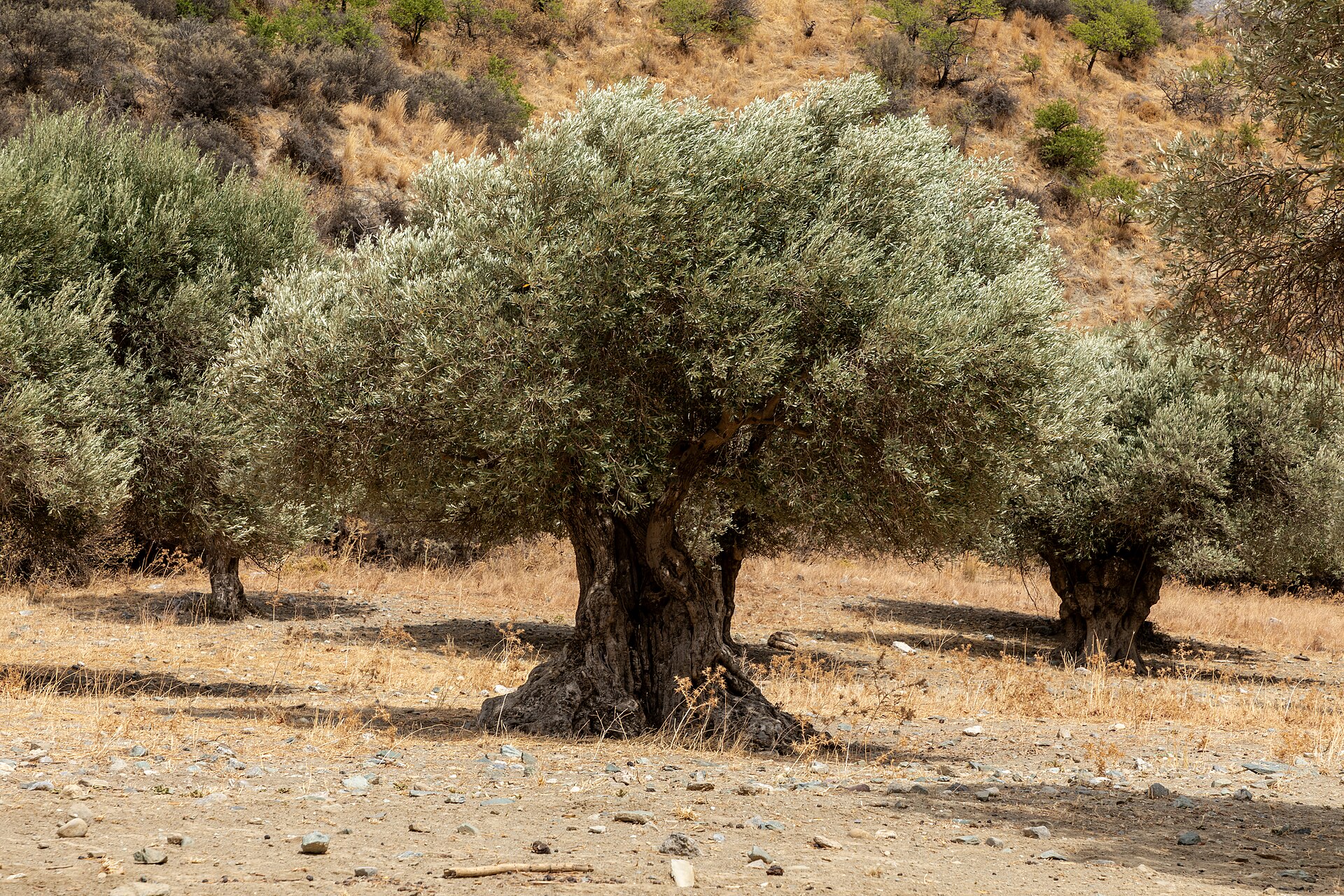
Time off can be spent in many ways. Kyriakos Makratzis spent his harvesting olives. During his years as a sea captain, he returned to the family farm in Kontomari in western Crete to work among the trees. The time between voyages was therefore not simply for rest, but for a different kind of work.
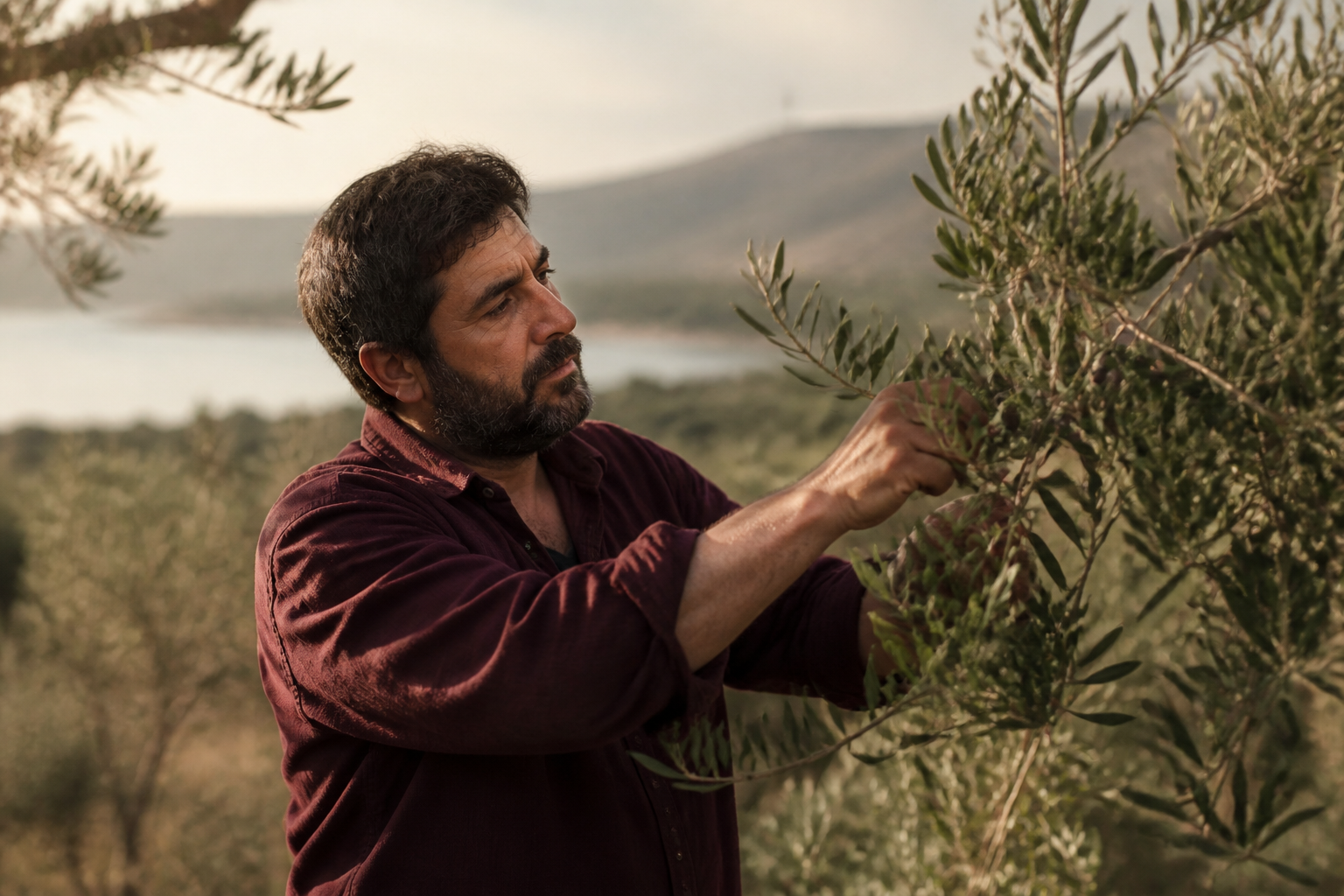
In Lisa Radinovsky’s older portrait in Greece Is, we meet a man who spent a long time balancing two working worlds. The sea was his workplace, but the farm remained a recurring responsibility. For fifteen years at sea, he continued to take part in the harvest. When his first son was born, he left the captain’s profession and returned to the family’s farming business.
This is the life choice and the work on the farm at the time of the portrait that the story follows, rather than a new account of the family’s circumstances. But the question it raises is still a concrete one: what happens when the place you have been returning to also becomes the place you choose to stay?
Work he already knew
Makratzis’s return was no debut as a farmer. His recurring harvest leave had kept him close to the work and its demands. He did not trade a familiar profession for an idea of country life, but for an undertaking in which he had already put in many working days.
The difference lay in taking responsibility throughout the year. Helping with the harvest is a defined task. Making a living from cultivation also means dealing with the time before and after it: the trees’ growth, pruning, working the land and preparing for the next season. This is true of olive growing in general, and makes the difference between returning as a helping hand and taking over the ongoing work a significant one.
A captain’s work and a farmer’s work are, of course, different. Yet both call for planning, attention to the weather and an ability to make practical work run smoothly with others. That makes the career change understandable without having to imagine that Makratzis was seeking a life free of responsibility.
According to the portrait, his son was the turning point. The balance between work at sea and life at home changed. There is no need to read more into his motives than that. The story requires neither an invented weariness with the sea nor a sudden discovery of the appeal of olive trees. His connection with the farm was already there. Starting a family turned it into a different kind of possibility.
The family’s land, but a different kind of cultivation
The family farm in Kontomari bore traces of choices made over several generations. The account mentions his father’s orange trees and his grandfather’s vines. Makratzis chose to focus on olives, planting 2,000 trees of the Koroneiki variety.
That detail gives his return a different meaning from simply carrying on as before. Returning to the family land does not have to mean preserving every crop and method of working. The land can stay the same while the cultivation takes a new direction. Oranges, grapes and olives require different skills and inputs; a change of generation can therefore also mean a change in production.
Koroneiki is a Greek olive variety grown for oil and well established on Crete. The fruit is small. For the grower, the point is not the size of any single olive, but what the harvest can yield as a whole at the olive mill.
This is also where the distance between the holiday image and everyday working life becomes clear. From a road, you see treetops and trunks. For the person responsible for the cultivation, that same landscape consists of many decisions: how to tend the trees, when to pick the fruit and how to organise the work. Makratzis had chosen to stay in a landscape that called for work, not just appreciation.
The harvest begins in the tree and continues on the ground
Radinovsky’s portrait describes a harvest that combined manual work with technical aids. Portable electric harvesting tools with carbon-fibre rods were worked through the branches to dislodge the olives. Green nets lay under the trees to catch the fruit.
The tools did not replace people. Someone had to work them through the tree canopy, position the nets, gather the harvest and move the work along. Migrant workers were hired to take part in the harvest described. The family farm was not an operation in which the family carried out every task alone; it also depended on hired labour during the intensive harvest period.
The nets turned the ground into a temporary collection surface. Once the olives had fallen, they had to be gathered and transferred to ventilated plastic crates. Several steps lay between the fruit still hanging on the trees and the finished load, and each step had to fit with the next.
Much of the practical reality of the olive harvest lies here. It is not enough to get the fruit down quickly if handling it afterwards becomes a bottleneck. The team, tools, nets and crates form a continuous chain. When everything works, the harvest moves on without unnecessary delays.
Ventilated crates also serve a purpose beyond being easy to carry and stack. Harvested olives are fresh fruit that continues to change. Ventilation and careful handling help prevent the fruit from being enclosed and damaged. Quality control therefore does not begin only when someone assesses the finished oil’s aroma and flavour. It is already under way among the trees.
Terra Creta was the next link in the chain
In the older portrait, Makratzis worked with Terra Creta. The collaboration included a scientific adviser connected with the company and deliveries to its olive mill. The family’s knowledge of the land was therefore not its only resource; the farm also had access to specialist knowledge and a processing operation.
This is an important part of the story of his career change. He returned to a family farm, but not to a closed system in which knowledge was passed on only between generations. The advice connected the daily work on the farm with a more systematic approach to cultivation and quality.
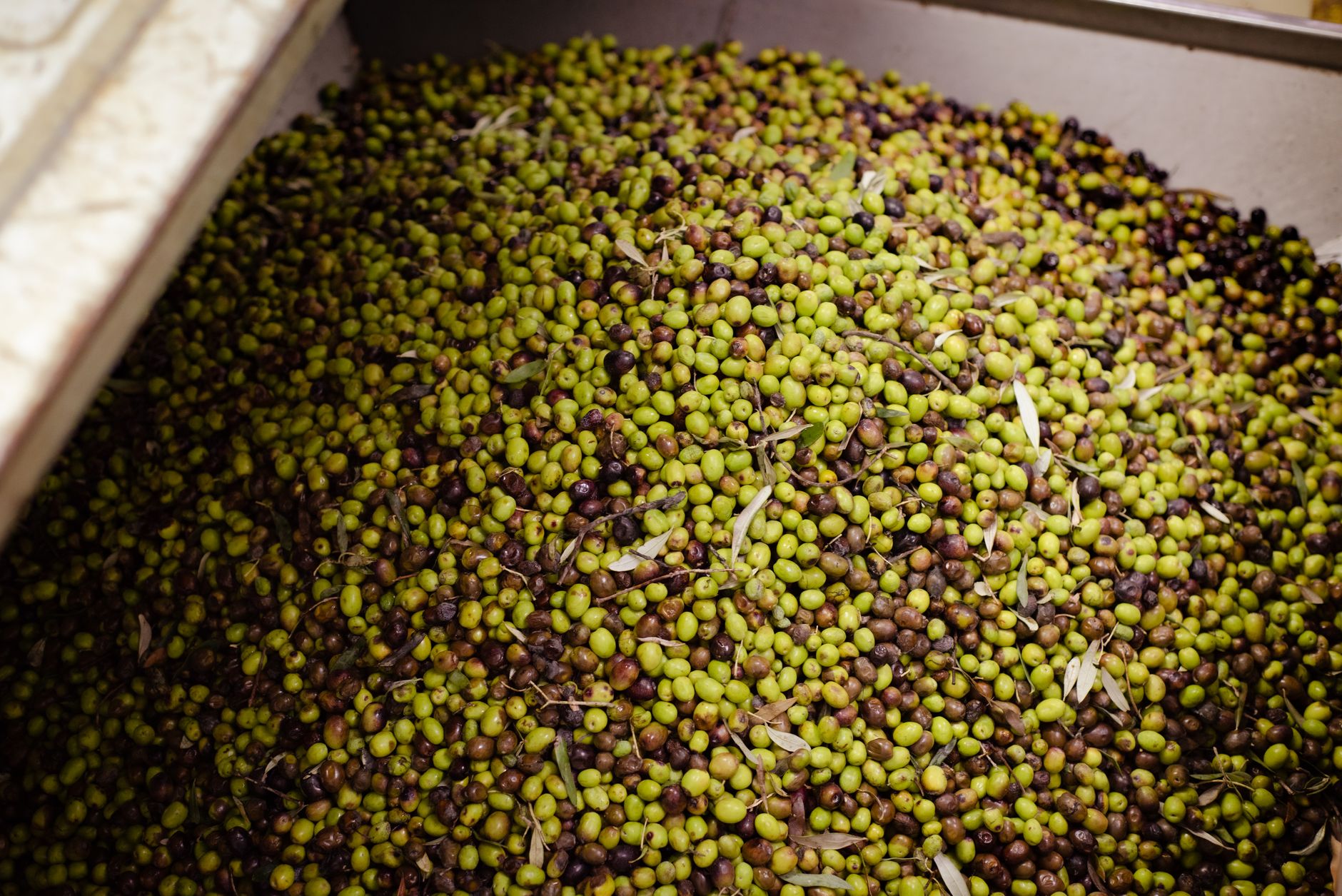
According to the account, that day’s harvest was taken for pressing in the afternoon. The working day thus had a purpose beyond the last tree harvested: the olives also had to leave the farm and continue on to the mill.
In olive oil production, the time between harvesting and processing matters. Fruit that is left standing can be damaged and start to ferment, affecting the oil. Quick handling alone does not guarantee quality, but it is an important part of the work. In Makratzis’s case, the afternoon deliveries were a practical routine linking the farm to the next stage of production.
The collaboration and delivery arrangements are part of the older account. They should not be taken as information about how his business is organised today.
Staying also meant starting over
Makratzis’s story is more specific than the familiar dream of leaving a demanding profession and moving to a farm in the Mediterranean. The farm was already part of his life. For many years, he had returned to the harvest. What was new was making that place the centre of both his working life and family life.
At the same time, the return needed to take its own shape: the Koroneiki trees, the harvesting tools, the team and the collaboration with the olive mill. The family inheritance provided a starting point, not a ready-made job description.
That is where the portrait gains its weight. Makratzis left a profession he had spent fifteen years in, but he did not choose to leave work behind. He chose where it would be done – and what kind of life would fit around it.
Sources & further reading
- Greece IsThe Captain's Olive Grove
Share the article
Translated from Swedish with AI assistance. Read the original.


