
From Gothenburg’s café scene to Sarajevo’s lanes: He took fika culture south
When Swedish-Bosnian Mirza Salkić moved from Gothenburg to Sarajevo, he brought with him the Scandinavian idea of light-roast coffee and fika. Through his café, Kawa, he is now challenging one of Europe’s most tradition-bound coffee cultures by combining Swedish craftsmanship with Bosnian enjoyment of life.
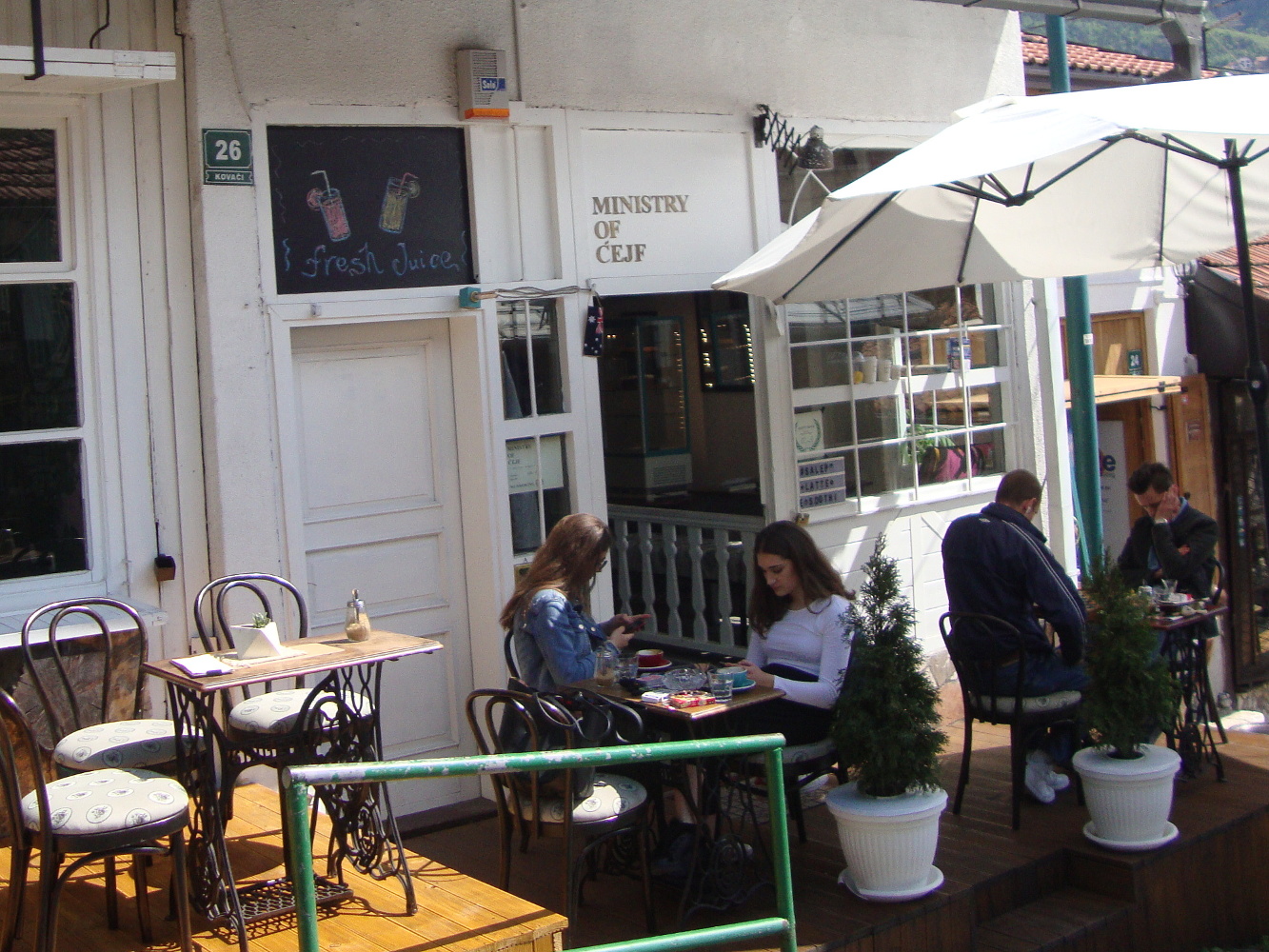
The first thing visitors encounter in the courtyard at Dženetića Čikma 16 is not the traditional clink of small cups on a copper tray. Instead, there is the steady, muted hum of a modern coffee grinder and the precise drip of a manual pour-over brewer.
Here, in a leafy but tucked-away part of Sarajevo, Mirza Salkić has built a bridge between two worlds. Having grown up and been shaped by Gothenburg’s coffee scene, he decided to move to Bosnia and Herzegovina to complement one of the continent’s most deeply rooted coffee traditions. The result was Kawa, a hybrid of specialty café, roastery collaboration and concept store.
Establishing a modern micro-roastery concept in a city where coffee has held an almost ritual status for centuries proved to be both a cultural challenge and a logistical feat.
From dark roast to the acidity of light roast
In Sarajevo, coffee is drunk everywhere and almost all the time. Traditional Bosnian coffee, brewed in a vessel called a džezva, produces a rich, dark and bitter drink that is sipped slowly, with a piece of sugar on the side. At the city’s newer cafés, Italian espresso culture has long been the norm.
When Mirza Salkić opened Kawa, his aim was to introduce what the industry calls specialty coffee – carefully crafted coffee where the bean’s origin, roast and brewing method take centre stage. For locals used to strong, chocolate- and nut-dominated flavours, the Scandinavian light-roast beans, with their floral and acidic notes, were initially an unfamiliar experience.
Light-roast beans retain more of the coffee cherry’s natural acidity and fruit flavours, which often leads inexperienced drinkers to think the coffee is sour. For Mirza, the first few months were largely about talking to guests, explaining the craft and offering tastings. By rotating beans from leading micro-roasters in the Nordic countries and elsewhere in Europe, Kawa has become a living learning platform. Brewing methods such as AeroPress and V60 are introduced here to an audience that had previously associated filter coffee mainly with simpler coffee makers.
The art of drinking coffee slowly
Although the craft methods and light roasts were imported from Scandinavia, Mirza quickly realised that Swedish fika culture needed to be adapted to the local way of life. In Sweden, fika is often a structured, if sociable, break in the day. In Bosnia, another concept shapes social life: ćejf.
Ćejf is about the art of enjoying oneself, letting time pass and being present in the moment without any pressure to be productive. A Bosnian might sit with the same cup of coffee for several hours, simply watching passers-by or talking with a friend.
"In Sarajevo, coffee has always been sacred, but it has almost exclusively meant dark, bitter roasts. Introducing a light-roast, berry-like Ethiopian V60 was a risk."
Kawa has managed to bring these two philosophies together. The Scandinavian minimalism of the interior – with its clean lines, light wood and functional surfaces – creates a muted backdrop where the Bosnian tradition of sitting and socialising for a long time can take centre stage. This is not a café where you are encouraged to quickly down your espresso standing at the counter; the tables and chairs here are designed to invite hours-long conversations, just like the traditional coffee houses in the historic Baščaršija district.
A showcase for local design
Kawa is more than just a meeting place for coffee drinkers. Mirza Salkić wanted to create a platform that highlights the region’s creative energy. The interior functions as a living showroom where visitors can buy everything from handmade local ceramics to contemporary Bosnian furniture design and fashion.
In recent years, the Bosnian design scene has undergone a quiet transformation, with young designers combining the country’s rich craft traditions with a modern, minimalist aesthetic. By integrating these products into the everyday café environment – where coffee is served in locally made cups and guests sit on chairs designed by regional designers – a direct connection is created between the craft and the customer. It also gives local creatives visibility that can otherwise be hard to achieve in a market where established distribution channels are often lacking.
A new generation in Sarajevo
The establishment of Kawa is not an isolated event, but part of a broader development in the city. Over the past decade, Sarajevo has seen a new wave of entrepreneurs from the Bosnian diaspora who grew up in countries such as Sweden, Germany, Austria or the US, but chose to move to Bosnia to start their own businesses.
These entrepreneurs bring experience, networks and trends from their former home countries, but apply them with sensitivity to the local culture. They are behind everything from niche sourdough bakeries and craft breweries to architecture firms and tech start-ups. They challenge established ways of doing things and show that it is possible to build sustainable, modern businesses in the country.
For Sarajevo, this development is bringing new life to the cityscape. The historic charm of the Ottoman and Austro-Hungarian eras remains, but is now complemented by a modern, cosmopolitan pulse where Gothenburg’s fika heritage and Bosnian ćejf culture can coexist. In the courtyard at Dženetića Čikma, this meeting has found its natural home.
Sources & further reading
- European Coffee TripSpecialty Coffee Guide to Sarajevo
- Bonjour.baKawa: Nova oaza u Sarajevu koja spaja vrhunsku kafu i domaći dizajn
- Kawa SarajevoKawa Sarajevo Official Instagram
Share the article
Translated from Swedish with AI assistance. Read the original.


