
Film awards in Sarajevo and political satire in Ivanjica – the explosive power of the Balkan cultural scene
As the prestigious Sarajevo Film Festival recently drew to a close, Serbian cinema emerged as one of the big winners. But behind the red carpets and glittering awards lies a constant tug-of-war over how the region's history and present are portrayed – a dynamic visible everywhere from international cinemas to local satire festivals.
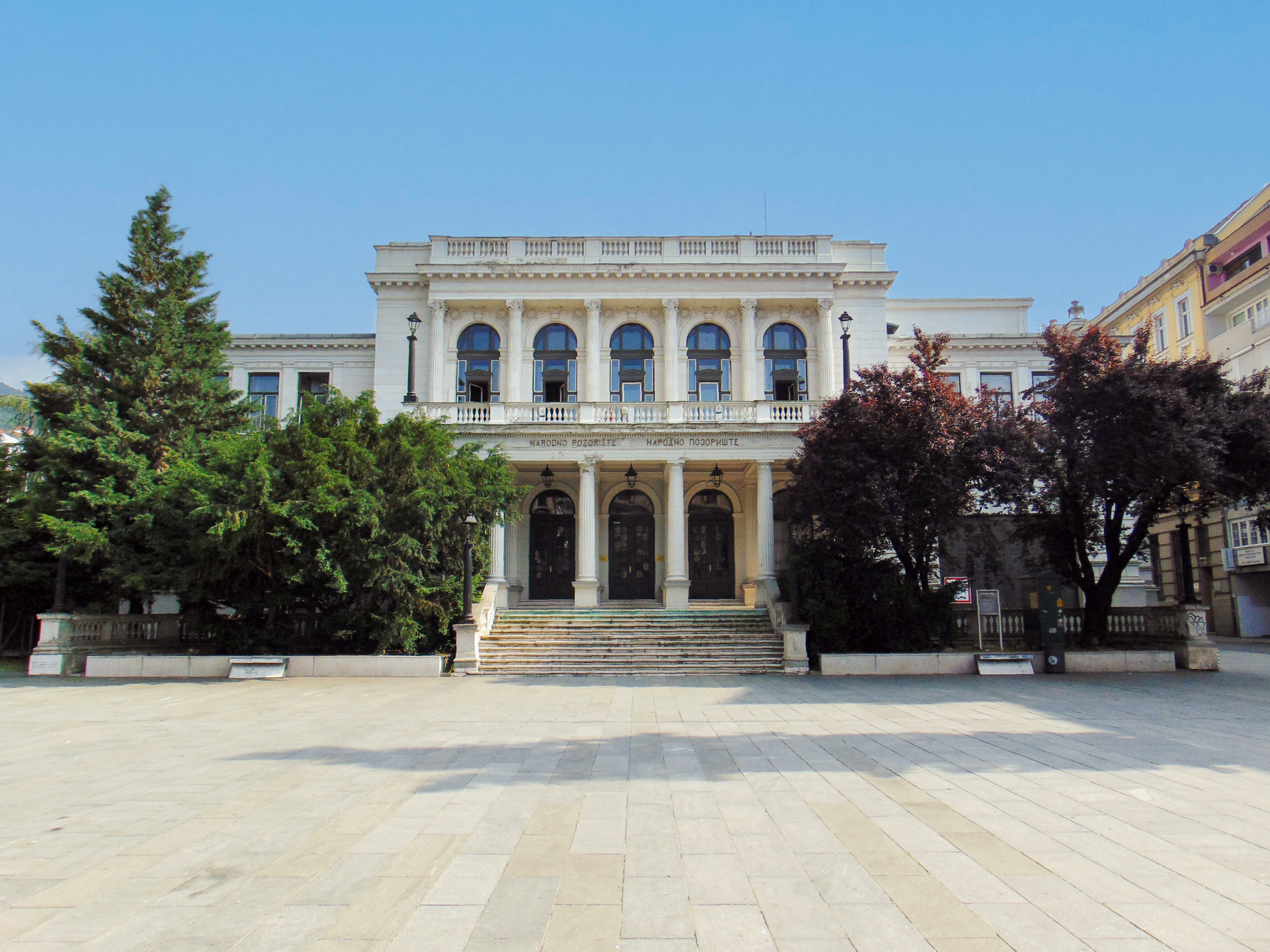
At the recently concluded Sarajevo Film Festival, Serbian film productions enjoyed great success, taking home a total of four major awards. Among the most notable accolades was the award for Best Feature Documentary, which went to the production Planina (The Mountain).
The success in Sarajevo demonstrates the strong artistic power present in the region, where film often serves as a mirror to society's deeper currents. However, the festival's triumphs also stand in contrast to the more complicated reality that cultural workers in the region navigate on a daily basis.
The art of remembering without hating
In an interview with the magazine Vreme, the well-known Serbian actor Svetozar Cvetković reflects on the difficult balancing act of art and memory in today's Balkans. He points out that the so-called culture of remembrance – how countries choose to remember and commemorate history – has become deeply politicised.
"The culture of remembrance must exist, but it must not be used on either side as a source of growing nationalism, which is nothing other than feeding hatred towards the other," says Svetozar Cvetković. "Then there is little room left for love. When you rub salt in that wound every year, the wound opens wider and wider."
Cvetković points out that there have been periods in the past when decision-makers in both Croatia and Serbia actually tried to make coexistence possible, but today's harsh rhetoric sometimes makes that cooperation seem distant. For artists, the task of adding nuance to the picture is therefore becoming increasingly important, but also increasingly difficult.
Satire and political jeers
That culture in the Balkans is an arena for direct social debate and public discontent was also evident during the seventeenth edition of the Nušićijada festival in Ivanjica, Serbia. Named after the famous Serbian playwright and satirist Branislav Nušić, the festival was marked by a clear protest against the political elite.
When Serbia's Minister of Culture Nikola Selaković and the Mayor of Ivanjica Aleksandar Mitrović took to the stage, they were met with loud booing and whistling from the assembled citizens. Mayor Mitrović has become known locally for carrying a beech log (bukva) into the town hall on Orthodox Christmas Eve (Badnji dan) – a symbolic act that is clearly not appreciated by everyone.
The incident in Ivanjica shows that the line between art, satire, and politics remains razor-thin. While Serbian directors are acclaimed internationally for their sensitive storytelling, the home audience continues to use local cultural platforms to make their voices heard against those in power.
Facts
Nušićijada – satire and culture in Ivanjica Nušićijada is an annual cultural festival in the town of Ivanjica in western Serbia. The festival is dedicated to the famous Serbian playwright and satirist Branislav Nušić (1864–1938). It is characterised by theatre, satire, music, and public participation, where the boundary between those in power and the citizens is often challenged through humour.
Sources & further reading
- Nedeljnik VremeKratka istorija srpske kafane
Share the article
Translated from Swedish with AI assistance. Read the original.


