
Extreme drought hits Croatian plates – food prices predicted to soar by up to 40 per cent
Several years of extreme weather and a prolonged drought are hitting Croatian agriculture hard. Experts are now warning of dramatic price increases next year – a development that affects both Croats themselves and the Nordic tourists who have grown accustomed to affordable food on holiday.
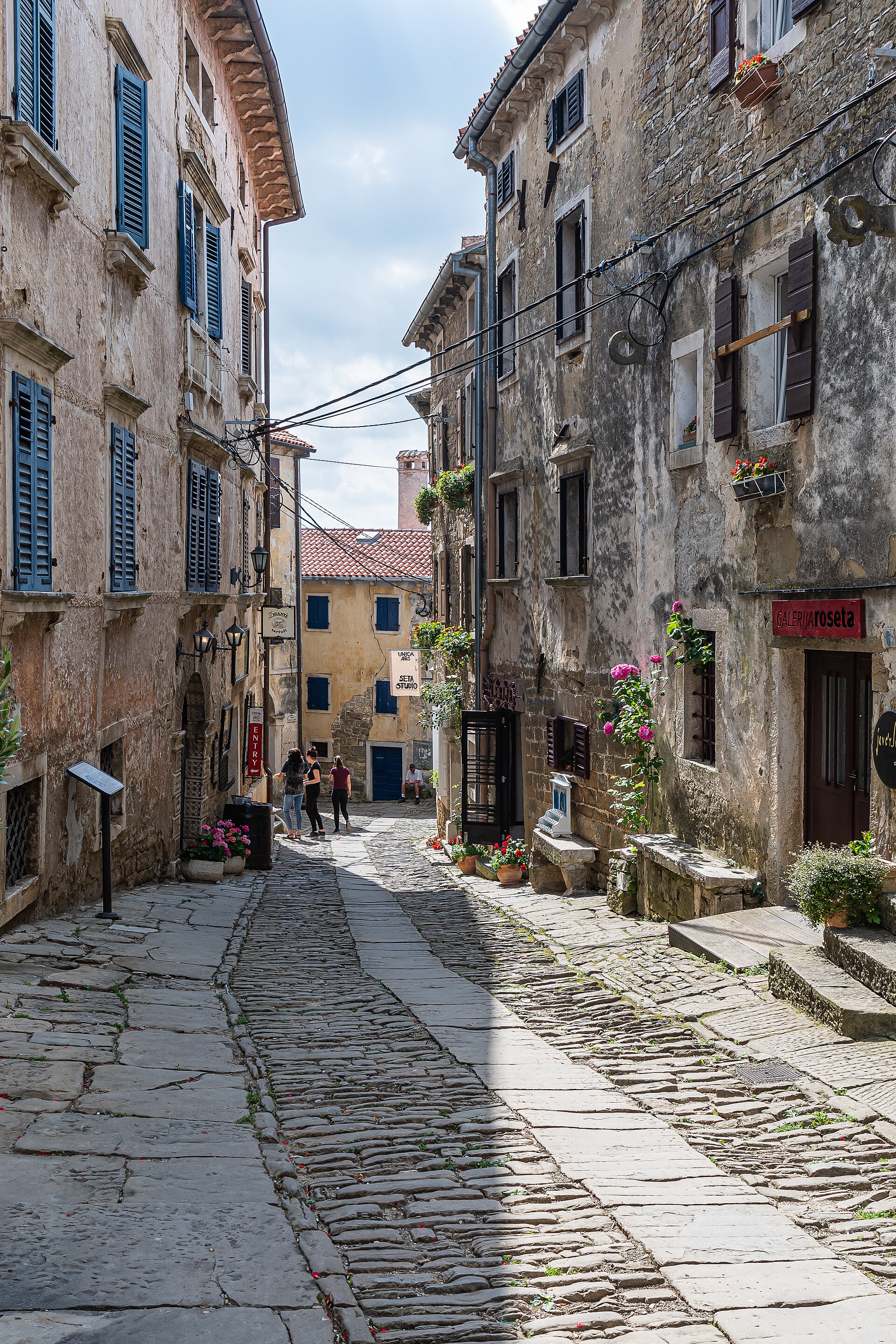
Croatia is often associated with colourful markets, sun-ripened tomatoes and locally produced meat. But behind the set restaurant tables, a quiet crisis is unfolding in Croatian agriculture. Rapid climate change and a persistent summer drought have hit the country's harvests hard, which is now expected to lead to noticeable increases in food prices.
Price shock expected next year
The warning comes from Tatjana Radić, advisor to the Croatian Minister of Agriculture. In an interview with the national broadcaster HRT, she explained that the effects of the drought will hit consumers with full force next year. According to Radić's forecasts, food prices could rise by between 20 and 30 per cent, and in the worst-case scenario, by up to 40 per cent.
For the many Nordic tourists who visit Croatia each year, often valuing the country's gastronomy and affordability, this represents a shift in the landscape. The price level of Croatian produce has already risen, and future developments risk making a Croatian holiday noticeably more expensive on the plate.
Seventh consecutive year of extreme weather
However, the situation is not new for local producers. According to Radić, Croatian farmers are battling extreme drought for the seventh consecutive year, in addition to recurring hailstorms and other weather-related disasters that hit both harvests and incomes hard.
It is a matter of production under the open sky, and the farmers need help.
Climate change is now happening at a faster pace than Croatian agriculture can adapt to. At the same time, Radić emphasises that Croatia is not alone in this situation; the whole of Europe is facing a similar climate crisis and is struggling to find methods to manage the rapid changes.
Fragmented land ownership hampers irrigation
One of the greatest challenges for Croatian agriculture is the shortcomings in the country's irrigation systems. Expanding these is complicated by historical and structural issues: extreme land fragmentation.
Croatian agricultural properties are often divided into small, scattered parcels. While an average farm in the rest of Europe ranges between 10 and 15 contiguous hectares, a Croatian farm can have its land divided into 70 different small plots. On a single hectare, there can sometimes be four or five different smaller plots. To invest in modern irrigation technology, extensive work to consolidate and regulate land ownership is therefore required first.
Farmers also face financial setbacks when trying to modernise. When government subsidies for new technology are introduced, suppliers tend to raise equipment prices by a corresponding amount – a problem that Radić believes receives far too little attention.
Cheap imports squeeze farmers
Croatia has also become increasingly dependent on imported food. Surpluses from other countries have driven down prices on the domestic market. As an example, Radić mentions that a kilogram of pork in shops has at times cost almost as little as a cup of coffee in a café.
To support local farmers, the Ministry of Agriculture is now urging the country's large food chains to give Croatian products more shelf space. Consumers are also encouraged to look out for national origin labels, such as “Proven Quality” and labels for meat from Croatian farms.
To cope with the future, the Croatian Agricultural Association has proposed the establishment of a national risk fund. The purpose is to finance climate adaptation in agriculture, with the state contributing an additional 20 per cent to farmers who pool resources. However, the question remains whether this support will have an effect before next year's expected price increases reach consumers' pockets.
Facts
Facts: The challenges facing Croatian agriculture
- Land fragmentation: An average farm in Europe covers 10–15 contiguous hectares. In Croatia, the corresponding area can be divided into up to 70 different small plots of land, making it difficult to develop effective irrigation systems.
- Domestic labelling: To support local agriculture, consumers are encouraged to look for labels such as “Proven Quality” as well as certified meat from Croatian farms.
Sources & further reading
- Total Croatia NewsCroatian Food Prices Could be Even Higher Next Year
Share the article
Translated from Swedish with AI assistance. Read the original.


