
Exit in Novi Sad: How a student protest became one of Europe's biggest fortress festivals
It began in a university park in Novi Sad as a peaceful but determined protest movement for democracy and freedom. Today, the Exit festival draws hundreds of thousands of visitors to the Petrovaradin Fortress. Here is the story of how a movement for peace transformed Serbia into a global centre for festival culture.
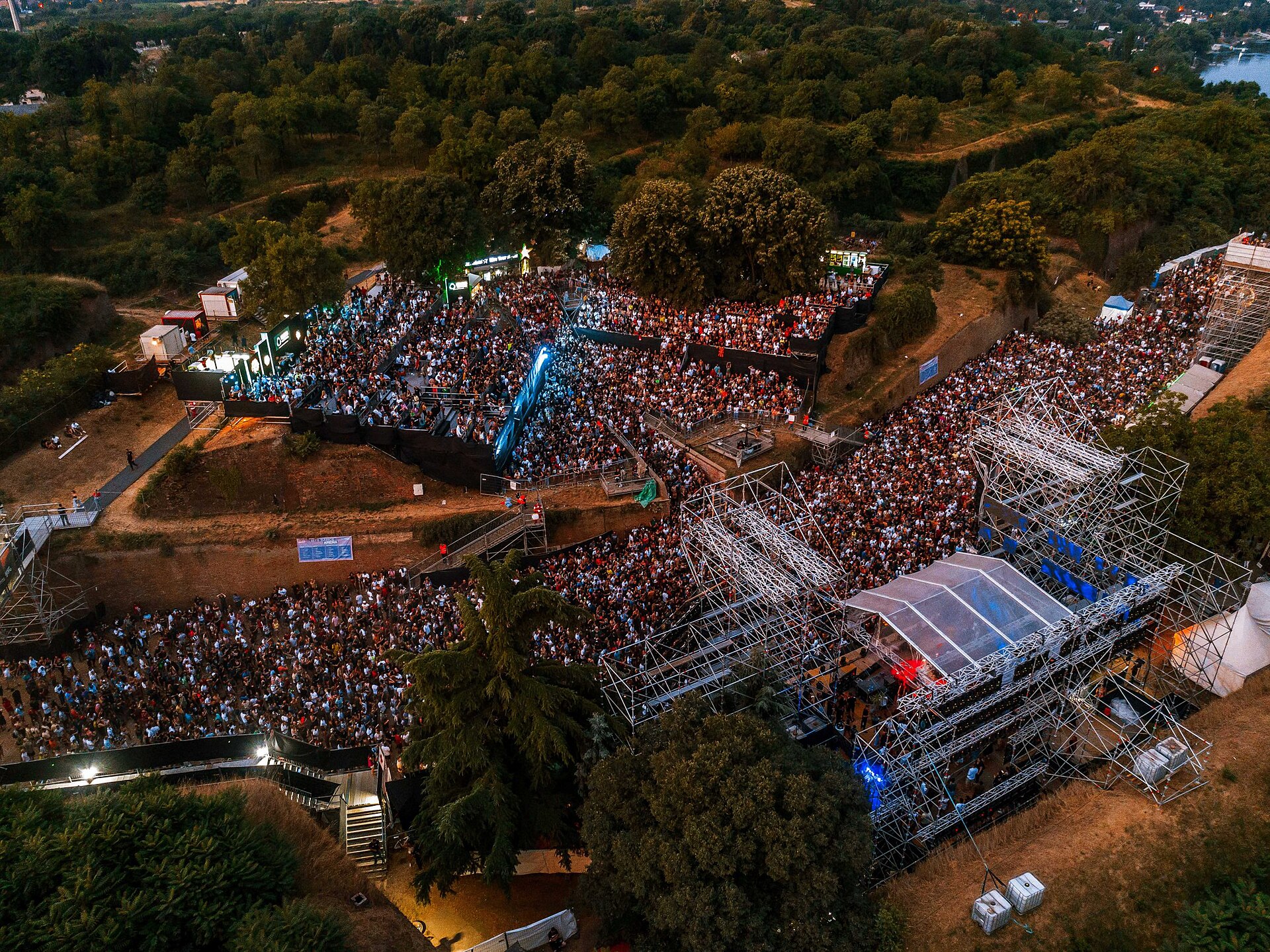
In the year 2000, a group of Serbian students gathered in a university park in Novi Sad. What began as a peaceful but determined student movement for democracy and freedom in Serbia and the Balkans has, just over two decades later, grown into one of Europe's most award-winning music events.
Today, the Exit festival is synonymous with the monumental Petrovaradin Fortress on the River Danube. It is a place where historic walls meet modern bass, and where the festival's original spirit of social change still lives on.
From the university park to the fortress
Exit was founded during a year of major political upheaval in the Balkans. Following the Yugoslav parliamentary elections in the autumn of 2000, the festival moved the following year, in 2001, to its current home at the Petrovaradin Fortress in Novi Sad. The move marked the beginning of a new era, in which the fortress was transformed from a historic defensive fortification into a vibrant meeting place for music and community.
Since its inception, the focus has been on using music as a tool for social change. It is about promoting regional cooperation in the Balkans, supporting creative industries, and driving humanitarian and environmental initiatives. This commitment has also brought formal recognition; in 2018, the festival was presented with the "Champion of Regional Cooperation" award by the Regional Cooperation Council for its efforts during 2017.
Award-winning and internationally recognised
Over the years, Exit has developed into a gargantuan music event. Today, the festival spans over 40 different stages and festival zones, where more than a thousand artists perform. It has garnered extensive international attention, with major media outlets such as CNN, the BBC and The Guardian repeatedly highlighting the festival as one of the world's finest.
Exit has also scooped several major awards. It has twice been named "Best Major European Festival" at the EU Festival Awards (2013 and 2017) and was voted the best European summer festival in 2016 by the travel portal European Best Destinations.
When pandemic restrictions began to ease in the summer of 2021, Exit became the first major European festival to take place. It was a historic twentieth anniversary that attracted over 180,000 visitors over four days, gaining significant coverage from international industry publications such as Billboard and Variety.
A growing festival family
Over the years, the stages at the fortress have hosted legendary names across a range of genres – from rock icons like The Cure and Nick Cave and The Bad Seeds to electronic pioneers such as Kraftwerk, Carl Cox and Avicii, as well as pop stars like Ellie Goulding and hip-hop legends like Snoop Dogg.
Its success has also led the Exit organisation to expand beyond the borders of Novi Sad. Today, the team organises seven different events across Southeast Europe. Notable among these are No Sleep in Belgrade, the coastal festival Sea Dance in Montenegro, and Sea Star in Croatia, making the organisation one of the most important cultural actors in the region. Yet it is still on the walls of the fortress in Novi Sad that everything began, and where the heart of the festival continues to beat.
Facts
EXIT FESTIVAL
- Where: Petrovaradin Fortress in Novi Sad, Serbia.
- Founded: 2000 (in the University Park, moved to the fortress in 2001).
- Scale: Over 40 stages and festival zones, with more than 1,000 performing artists.
- Selected awards: "Best Major European Festival" (EU Festival Awards 2013 and 2017), "Best Overseas Festival" (UK Festival Awards 2007).
Share the article
Translated from Swedish with AI assistance. Read the original.


