
Europe in the Backpack – Never Unpacked
As young visitors stream to the fortress in Novi Sad, the city comes alive for a few days. But behind the colour and festivities lies a deeper tension. Serbian columnist Teofil Pančić argues that the European idea is packed back into the backpacks as soon as everyday life resumes, leaving no lasting traces.
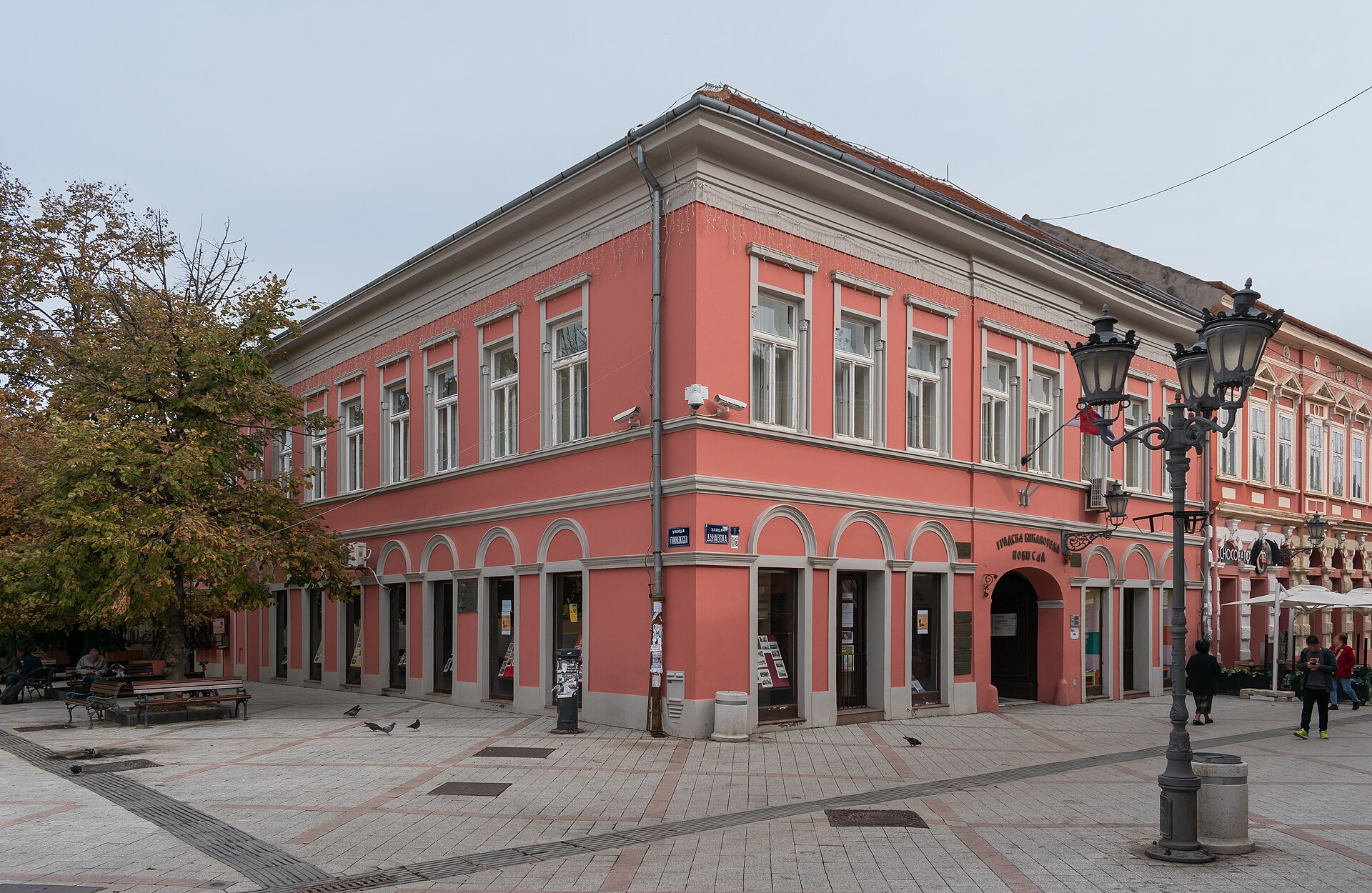
Under cover of darkness, they suddenly appeared: white-painted Z symbols on Varadin Bridge, along the quay and on the streets of Podgrađe, the district beneath the fortress in Novi Sad. The following day, a group of people gathered on the bridge with a banner: “EU go home! Serbia and Russia, that is our union”. The local SRS party quickly claimed responsibility for the action.
Both the paint and the protests were directed at the international atmosphere around the fortress.
In a column for the newspaper Vijesti, cultural journalist Teofil Pančić reflects on these collisions in everyday Serbian life. For him, the events reveal a strange paradox. The nocturnal painters and the demonstrating radicals act as though they are still fighting a war—a war they have in fact already won, although they do not seem to understand this themselves.
A temporary presence
Pančić describes the contrast between the temporary European feeling and the local political reality. For a few summer days, the area beneath the fortress fills with young people from different parts of Europe. But the idea of an integrated, European Serbia struggles to take root.
It is as if the visitors carry Europe in their backpacks, but when everyday life resumes they pack it away again and go home with their bags still unpacked.
Nothing is left behind that will change everyday life in the long term. What flows through the streets of Novi Sad for a few days becomes a temporary shop window for a way of life that barely exists in local political debate for the rest of the year.
The fight against temporary joy
Although the international presence is both temporary and commercial, it provokes strong reactions among local radical groups. Pančić notes ironically that their tolerance for anything different from themselves is so low that they do not even seem able to tolerate a few days of international flavour in the city.
And yet these short summer days have an inherent power. The joy and vitality that briefly take hold of Novi Sad’s streets and the fortress area create a contrast that the political messages scrawled at night struggle to extinguish completely.
Share the article
Translated from Swedish with AI assistance. Read the original.


