
Džeko's final night – an era ended against Sweden in Zenica
For nearly twenty years, Edin Džeko has carried Bosnia and Herzegovina's national team through victories, disappointments and historic moments. On Friday evening in Zenica, his final match arrived. The opponent was Sweden – and when the captain left the pitch, he did so as his country's most capped player and all-time leading goalscorer.
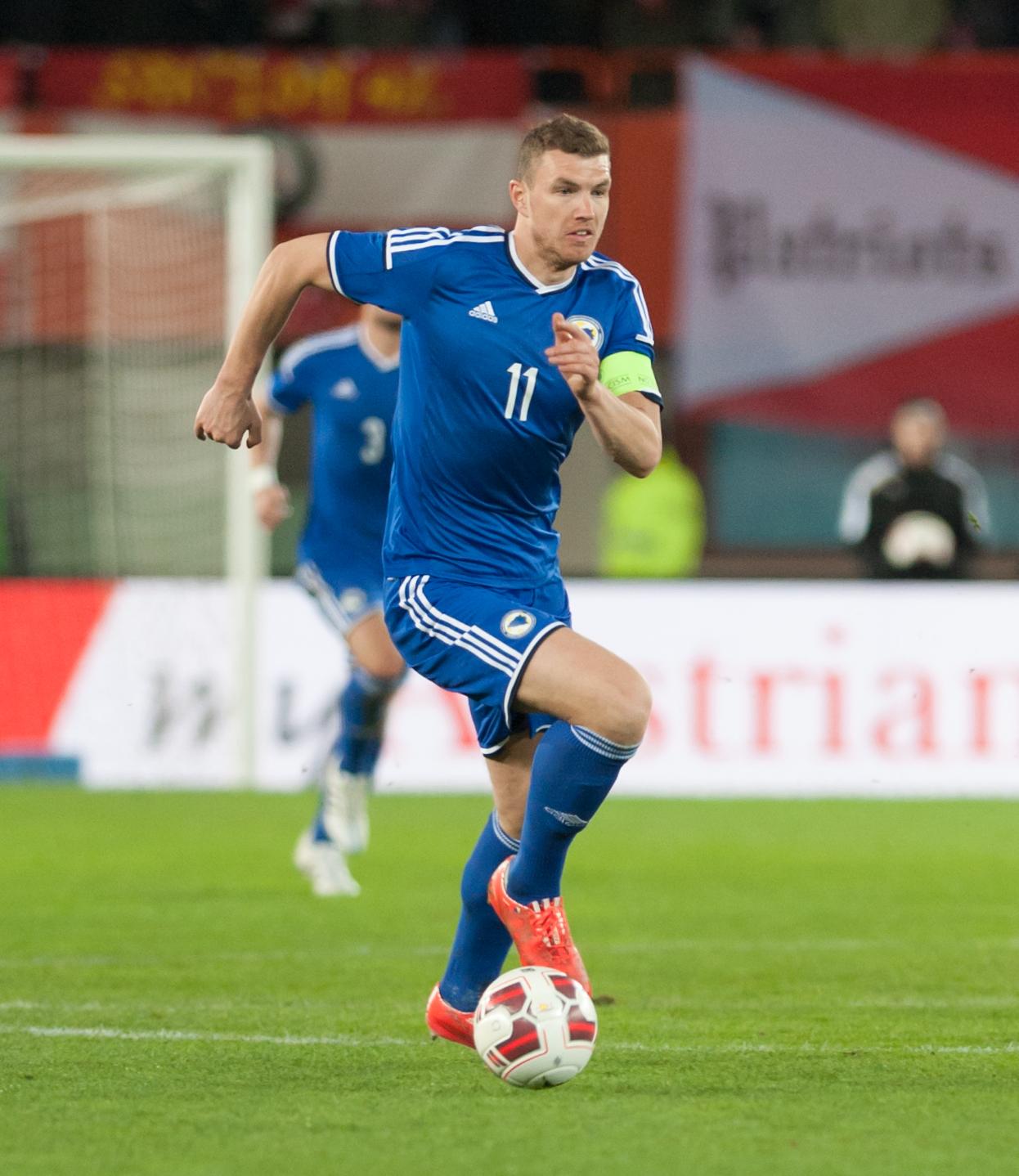
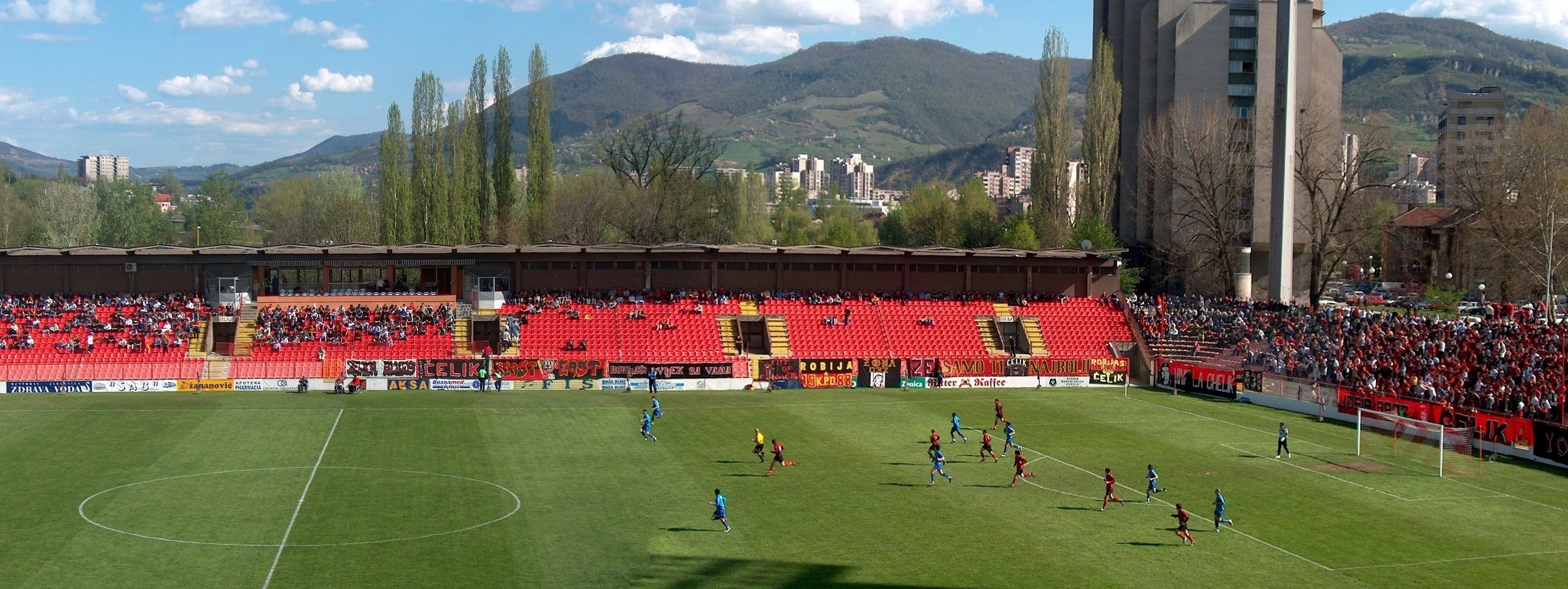
There was a result to play for at Bilino Polje. The Nations League continues, points matter, and the match between Bosnia and Herzegovina and Sweden ended 1–1.
But this evening was about something greater than the table.
When Edin Džeko walked onto the pitch with the captain's armband around his sleeve, he did so for the 152nd and final time in a Bosnia and Herzegovina shirt.
Almost nineteen and a half years had passed since his debut against Turkey in June 2007.
Now, the circle was complete.
One last time with number 11
Tickets for the match had sold out in less than fifteen minutes. Even before kick-off, the farewell had spread far beyond Zenica. In Sarajevo, Džeko was honoured with a giant shirt bearing his name and number 11.
At Bilino Polje, he wore a special shirt for the evening and a custom-designed captain's armband. Before the match, he had also left a gift for his teammates and the coaching staff: a commemorative box containing the blue national shirt, the golden number 11, and a record of his appearances and goals for Bosnia and Herzegovina.
It was Džeko's way of saying thank you to the people around him.
But during the evening, an entire country was trying to say thank you back.
Even Sweden joined in.
During the live broadcast, the Swedish national team delegation could be seen presenting the Bosnian captain with flowers and a Swedish shirt signed by the players – a small but warm gesture from the opponents in his final international match.
It was fitting for a night where Sweden played an unusual role: opponents on the pitch, but simultaneously part of the farewell.
Almost the perfect ending
And football itself came close to writing the perfect ending.
Džeko put the ball in the net in his final match.
For a moment, it looked as though his long history with the national team would conclude in the most natural way of all – with yet another goal.
But the goal was disallowed. The ball had gone over the goal line before the cross.
So, there was to be no 74th official international goal.
The tally stops at 73.
Perhaps it did not matter all that much on this particular night. Džeko's place in Bosnian football was secured long ago.
He leaves the national team with 152 appearances and 73 goals, both national records.
Sweden was there before too
There was also a remarkable historical arc in the choice of opponent.
Bosnia and Herzegovina and Sweden had only met once before in men's football. That was a friendly at Råsunda in May 2010, which Sweden won 4–2.
Džeko was already part of the Bosnian national team back then.
Sixteen years later, Sweden stood on the other side again.
This time in Zenica, in the teams' first competitive meeting – and in Edin Džeko's final international match.
Much had happened between the two matches.
Džeko had become a champion in Germany and England, played for Manchester City, Roma, Inter, Fenerbahçe and Schalke 04, and scored hundreds of goals in Europe's grandest stadiums.
But the blue-and-yellow shirt of Bosnia and Herzegovina held a different meaning.
It was the one he had dreamed of as a boy.
More than 73 goals
It is easy to summarise a football career with numbers.
152 international appearances. 73 goals. Two World Cup tournaments. Nearly two decades.
But the numbers do not truly explain what Edin Džeko has meant to Bosnia and Herzegovina.
He was part of the generation that took the country to its first World Cup in 2014. He became captain, record-holder, and for many years the most recognisable symbol of Bosnian football internationally.
For people living far from Bosnia and Herzegovina, the national team has simultaneously often been about something more than football. The matches have gathered families, generations, and people scattered across the globe around the same colours and the same ninety minutes.
For a large part of that time, Džeko was there.
Number 11 leading the line.
The final applause
On Friday evening, two national teams met that have rarely stood opposite each other.
Sweden travelled to Zenica to play a Nations League match. Bosnia and Herzegovina played for the same points.
But by the time the evening was over, it had also become one of those matches that will be remembered for an entirely different reason.
Edin Džeko had finished playing for his country.
He did not get to finish with that final goal. It vanished as quickly as the referee's decision.
But when the flowers were presented, the signed Swedish shirt was brought out, and Bilino Polje rose to its feet for its captain, no goal was really needed to write the ending.
After almost twenty years, the story was already written.
All that remained was to say:
Hvala, kapitene.
Sources & further reading
Share the article
Translated from Swedish with AI assistance. Read the original.


