
Defiance in the Face of Bombs: How Sarajevo Film Festival Became the Balkans’ Most Important Cultural Platform
Every August, the capital of Bosnia and Herzegovina becomes a vibrant meeting place for European cinema. But Sarajevo Film Festival is more than red carpets and glittering premieres – it was born as a vital act of resistance in the midst of war.
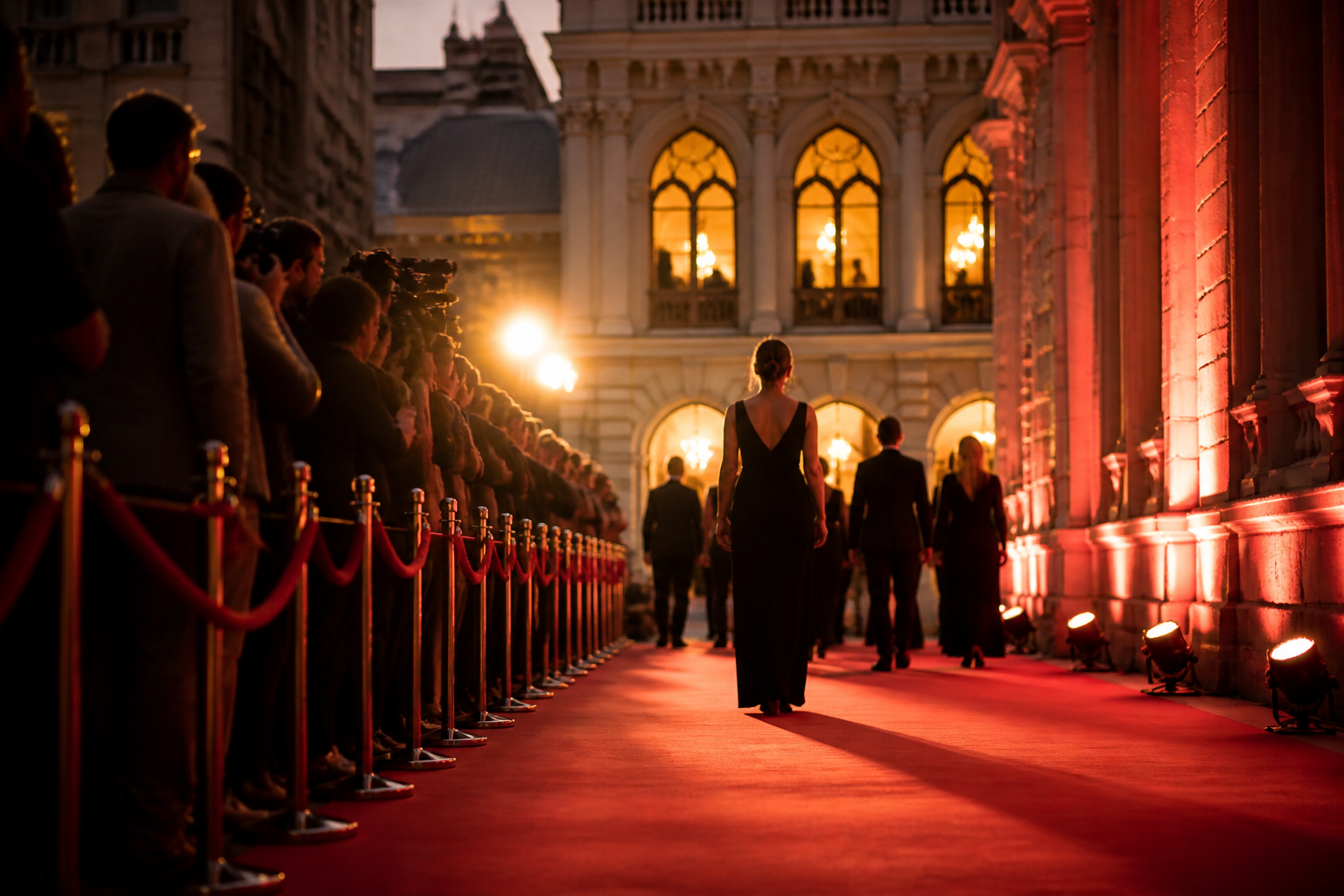
The sun beats down on the streets of Sarajevo as the festival opens its doors in August. International guests, local film buffs and global stars mingle outside the cinemas. Today, Sarajevo Film Festival is without question the largest and most influential film event in south-eastern Europe. But to understand its unique spirit, we need to rewind to a time when the city lived under constant threat to life.
The cinema as a shelter
The story of the festival began long before its official launch in 1995. As early as 1992, in the midst of the brutal siege of Sarajevo, Mirsad Purivatra and Izeta Građević began organising film screenings in basements and shelters. In the darkness, out of reach of shellfire and snipers, the city’s residents found a temporary refuge and a reminder of a normal world beyond their own.
Cultural workers’ defiance in the face of everyday life during the war grew. In October 1993, director Haris Pašović organised a ten-day international film festival. It was a bold initiative that showed an enormous determination to keep artistic debate alive, despite the extreme circumstances.
An unexpected success during the siege
These early wartime screenings laid the foundations for the annual festival, established in the autumn of 1995. The very first edition of Sarajevo Film Festival was held between 25 October and 5 November that year. The siege of the city was still under way, and the organisers hardly dared to hope that there would be any audience at all. For the city’s residents, getting to a cinema meant risking their lives.
But the result surprised everyone. A full 15,000 people braved the dangers to see the 37 films screened from 15 different countries. It was not just about watching films; it was a collective affirmation of humanity, dignity and cultural belonging in the midst of a humanitarian catastrophe.
From local resistance to a major European platform
Since then, the festival has grown rapidly. From the makeshift screenings of the war years, it has developed into a cultural powerhouse that attracts over 100,000 visitors each year. Today, hundreds of films from around 60 countries are screened, and the festival’s top prize – the "Heart of Sarajevo" – has become a prestigious symbol in the film world.
For Nordic filmmakers and cultural institutions, the festival has long been an important meeting place. It is a platform where people not only discover exciting new films from the Balkans, but also take part in a gathering where film’s role as a bridge-builder and a force in society is taken very seriously. Sarajevo Film Festival reminds us that culture is not a luxury reserved for peacetime, but a fundamental human need when darkness falls.
Facts
Sarajevo Film Festival
- Founded: 1995 (during the ongoing siege of Sarajevo)
- When: Every August
- Main prize: Heart of Sarajevo
- Audience: Over 100,000 visitors annually
- Programme: Hundreds of films from around 60 countries
Sources & further reading
- en.wikipedia.orgSarajevo Film Festival
Share the article
Translated from Swedish with AI assistance. Read the original.


