
Croatian family holiday-let owners rebel against tougher rules – take their case to the EU
For many Nordic travellers, a holiday in Croatia is synonymous with the classic blue signs advertising private accommodation. But now small-scale tourism is being shaken to its foundations. A new bill has prompted the country’s family holiday-let owners to fight back – and they are taking their case to the EU in the hope of saving their businesses.
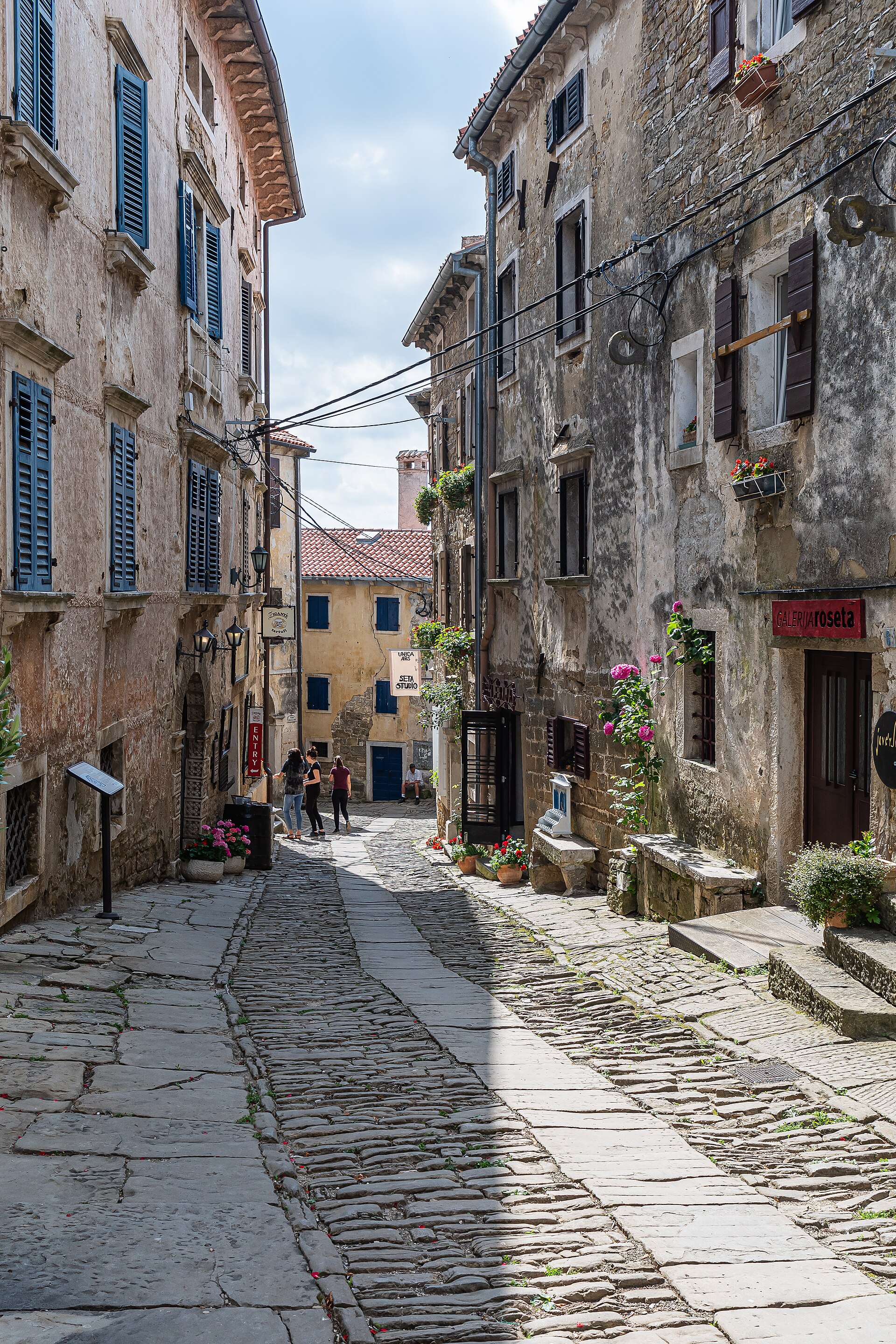
Most people who have travelled along the Croatian coast will know them: small, family-run apartments where you are welcomed by local hosts, homemade liqueur and tips on the best swimming coves. For decades, this type of accommodation has been the backbone of Croatian tourism and a first choice for Nordic visitors looking to avoid large, impersonal hotel complexes.
But the rules of the game are being rewritten. The Croatian government plans to introduce stricter rules through a new bill known as the Hospitality Activity Act. The proposal hits small-scale holiday-let owners hard, and the grassroots response has become an organised rebellion.
The association SMOi (Spasimo male obiteljske iznajmljivače – Save Small Family Holiday-Let Owners) has now submitted a formal objection to the European Commission through the EU’s TRIS system. It argues that the new bill breaches EU law and is calling on the Commission to review the proposal before it is passed by the Croatian parliament.
One neighbour can stop a business
The most contentious part of the bill concerns holiday lets in apartment buildings. Under the proposed rules, a landlord would need written approval from two-thirds of the property’s co-owners – as well as from every immediate neighbour.
The requirement would also apply retroactively to landlords who have been operating legally for several years. If they fail to collect all the signatures by the end of 2029, they will lose the right to rent out their property.
SMOi warns that this gives individual neighbours unreasonable power. In practice, a single resentful or hard-to-persuade neighbour could shut down a viable family business, regardless of how well-behaved its guests have been. The organisation stresses that it is not opposed to rules and order, but says any disturbances should instead be addressed through inspections and penalties for those actually responsible. The authority to shut down a business should rest with the authorities, not with individual neighbours acting without giving a reason.
Costly inspections and unclear requirements
In addition to disputes between neighbours, holiday-let owners strongly object to a requirement for accommodation to undergo compulsory reclassification every ten years. The process would affect more than 125,000 properties and 150,000 accommodation units across Croatia. The owners themselves would have to pay for these inspections.
The Croatian Ministry of Tourism has yet to present the new criteria for approval, creating further uncertainty and concern across the industry.
The bill would also restrict so-called “host status” to people registered as residents in the same county as the accommodation. In addition, landlords in apartment buildings would be excluded from this status altogether – which the association says is outright discrimination unrelated to the quality of the service provided.
Benefits large investors
Critics argue that the government’s claims that the bill will curb mass tourism and free up affordable housing for local residents are a smokescreen. Hana Matić, SMOi’s vice-president, says the problems associated with mass tourism are not caused by small family-run holiday lets. Instead, she argues, the new rules would in practice pave the way for and benefit large institutional investors at the expense of local families.
The association points to Portugal and Ireland as examples of countries where similar strict regulations had to be scrapped or softened after the European Commission objected to them. SMOi president Vedran Tomić is now urging Croatian landlords to get involved and submit their views as part of the TRIS process before the law is passed.
If the bill is passed, it could dramatically change Croatia’s holiday landscape. In the long run, the thousands of Swedes who head to the Adriatic every summer could face fewer choices, higher prices and the loss of the personal touch offered by traditional family-run accommodation.
Facts
The proposed rules at a glance
- Neighbours’ veto: Landlords in apartment buildings must obtain written approval from 2/3 of the co-owners and 100 per cent of their immediate neighbours before they can rent out their property. The rule also applies retroactively to existing landlords, with a 2029 deadline.
- Regular inspections: All accommodation must be reclassified every ten years at the landlord’s own expense.
- Host status: Restricted to people registered as residents in the same county as the accommodation, excluding landlords in apartment buildings regardless of whether they meet the other requirements.
Sources & further reading
- Total Croatia NewsCroatian Landlords Fight New Rules, Protests Looming?
Share the article
Translated from Swedish with AI assistance. Read the original.


