
Between history and modern tourism: How to experience the new Zadar
Zadar has emerged as one of Dalmatia’s most popular destinations. But as more people discover this historic city, questions are also being raised about how prices have changed. How much can you really experience here without blowing your budget?
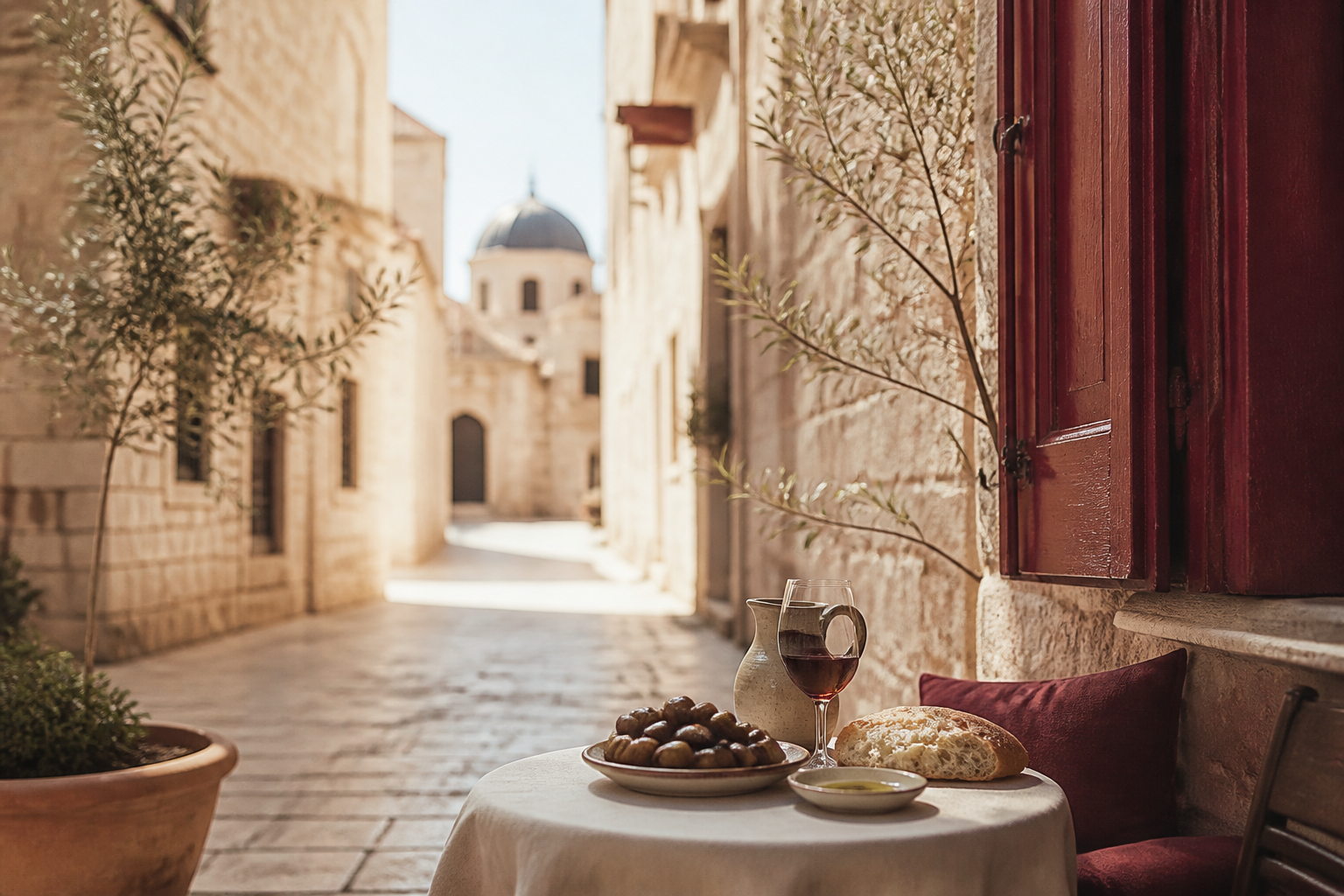
Over the past decade, Zadar has undergone a noticeable transformation. Once a somewhat overlooked stopover for travellers heading to the southern islands, the city, with just over 75,000 inhabitants, has established itself as a destination in its own right. Its historic centre, beautifully set on a peninsula, is defined by Roman ruins, Venetian architecture and the lively everyday life of the Varoš neighbourhood.
But its growing popularity has also sparked discussion about holiday costs. Croatia’s adoption of the euro and the country’s steady growth in popularity have generally pushed up prices for accommodation, restaurant meals and services all along the Adriatic coast. Zadar is no exception, and visitors during peak summer quickly notice that prices in the most central areas have been adjusted for an affluent international audience.
Experiences that cost nothing
But Zadar has a major advantage over many other historic cities in the region: some of its greatest and most unique attractions are completely free to enjoy. At the far end of the peninsula’s waterfront promenade are two celebrated installations by architect Nikola Bašić, which have become new symbols of the city.
The Sea Organ (Morske orgulje) is a brilliant work of architectural art in which the waves push air through pipes beneath broad stone steps, creating ever-changing, meditative music. Right beside it is the Greeting to the Sun (Pozdrav suncu), a large circle of solar panels set into the ground. They charge during the day and put on a spectacular light show after sunset. Locals and visitors alike gather here every evening, entirely free of charge.
Echoes of history along the alleyways
Even those who want to soak up Zadar’s rich history can do so without spending much. The Roman Forum, once the central point of the city, is open to everyone. Here stands the round Church of St Donatus, dating from the 9th century, an architectural masterpiece that bears witness to the city’s long past.
Strolling through the monumental Land Gate or sitting down to people-watch in People’s Square (Narodni trg) offers a direct glimpse of everyday Dalmatian life. If you want to keep costs down, the strategy is simple: head away from the peninsula’s busiest tourist routes. Just a couple of streets away from the main thoroughfares, prices for both coffee and local food drop considerably, and genuine Dalmatian hospitality lives on in the smaller alleyways.
Zadar at a glance
- Location: On the Adriatic Sea in the region of Dalmatia, Croatia.
- Population: Around 75,000.
- Known landmarks: The Roman Forum, the Church of St Donatus, and the modern artworks the Sea Organ and the Greeting to the Sun.
Sources & further reading
- sv.wikipedia.orgZadar
- hr.wikipedia.orgZadar - Wikipedija
- zadar.travelHistory - Zadar Tourist Board
Share the article
Translated from Swedish with AI assistance. Read the original.


