
Winds Across the High Plains: Why Nordic Energy Companies are Looking to North Macedonia
North Macedonia's windy mountain passes and open landscapes are attracting increasing attention from Nordic energy companies. As Scandinavian expertise meets Southeast European geography, new opportunities are taking shape for the region's green transition.
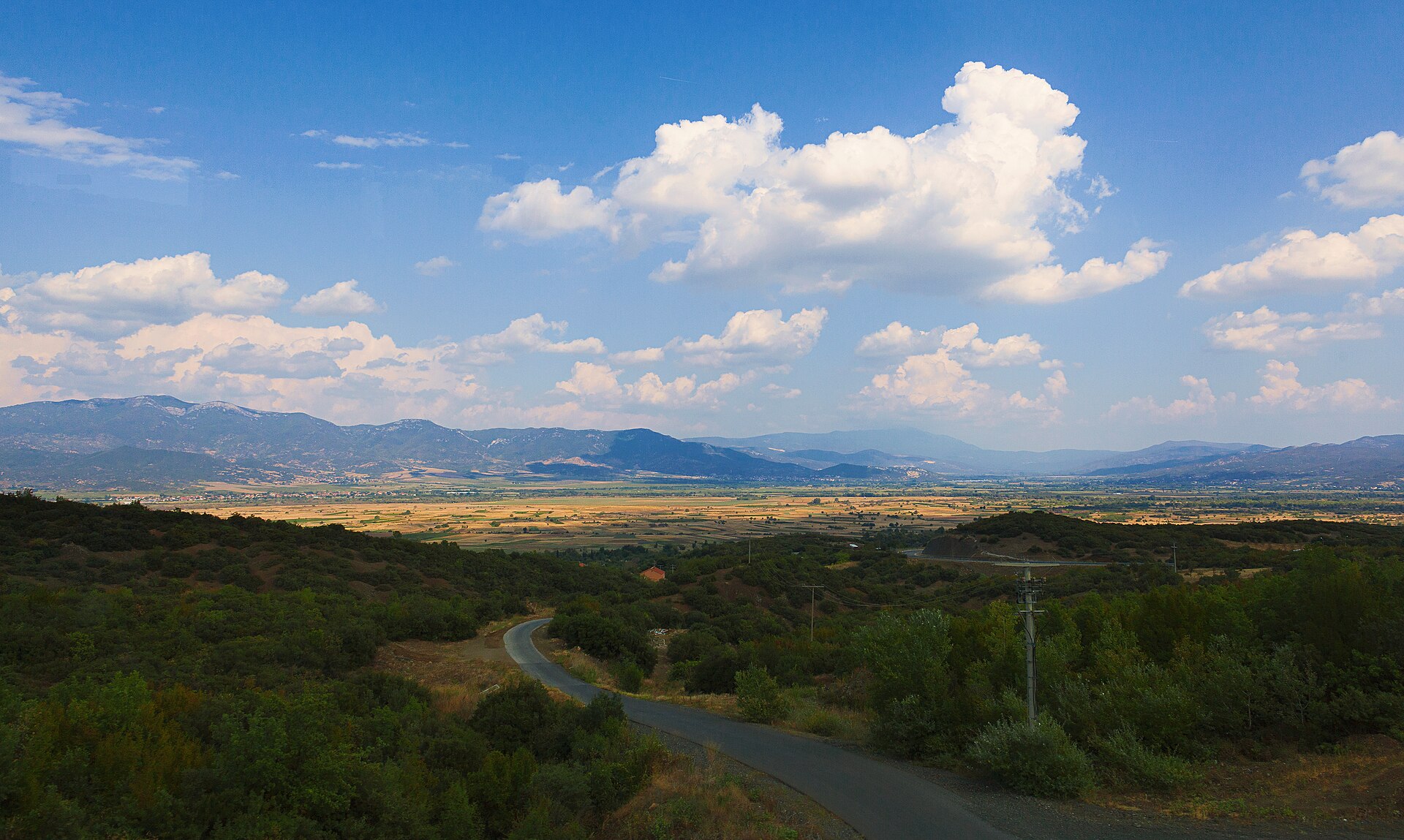
The landscape of North Macedonia is characterised by dramatic mountain ranges and deep river valleys. It is a geography that is not only visually striking, but also creates powerful and regular wind corridors. Historically, the region's energy supply has largely relied on fossil fuels, but as demands for renewable electricity generation have intensified, eyes are increasingly turning towards the Macedonian heights.
Here lies a natural resource that naturally matches Nordic expertise. For decades, Scandinavian players have developed methods to plan, build and operate wind farms in challenging terrain and under shifting climatic conditions. Transferring this experience to the mountain regions of the Balkans appears to be a logical next step for companies seeking new markets outside the Nordic region.
Experience Meets New Conditions
The Nordic countries hold a strong position in sustainable technology and systems integration. When this experience meets North Macedonia's ambitions to modernise and diversify its energy mix, interesting synergies arise. For Nordic companies, it is rarely just about delivering individual turbines; the interest lies rather in building a long-term, stable infrastructure that can be integrated into the regional power grid.
Challenges are, of course, not lacking. Navigating new administrative structures and adapting technology to local grid conditions requires time, patience and close cooperation with local partners. But the potential is clear. The demand for renewable energy is rising sharply across Southeast Europe, and the players involved in establishing these early projects are securing a valuable position for the future.
A Bridge for Green Technology
The interest therefore extends beyond individual profit motives. It is about building a functioning bridge between Nordic environmental technology and the development potential that exists in the Balkans. In this context, North Macedonia, with its central geographical location, becomes an interesting arena for projects that can lead the way for similar initiatives in neighbouring countries.
By combining Nordic capital and technological leadership with local ownership and the natural conditions of the Macedonian mountains, a model is created for what modern energy cooperation can look like. The wind sweeping across the Macedonian high plains no longer brings just changes in the weather, but also the contours of a new, greener infrastructure.
Share the article
Translated from Swedish with AI assistance. Read the original.


