
Vrelo Bunice – Bosnia's hidden spring lies underwater
Not far from Mostar and Blagaj lies Vrelo Bunice, one of Herzegovina's lesser-known natural spots. At first glance, it looks like a still turquoise lake nestled between forest and limestone cliffs. But the most remarkable thing about this place is what you cannot see: the spring itself continues beneath the surface of the water.
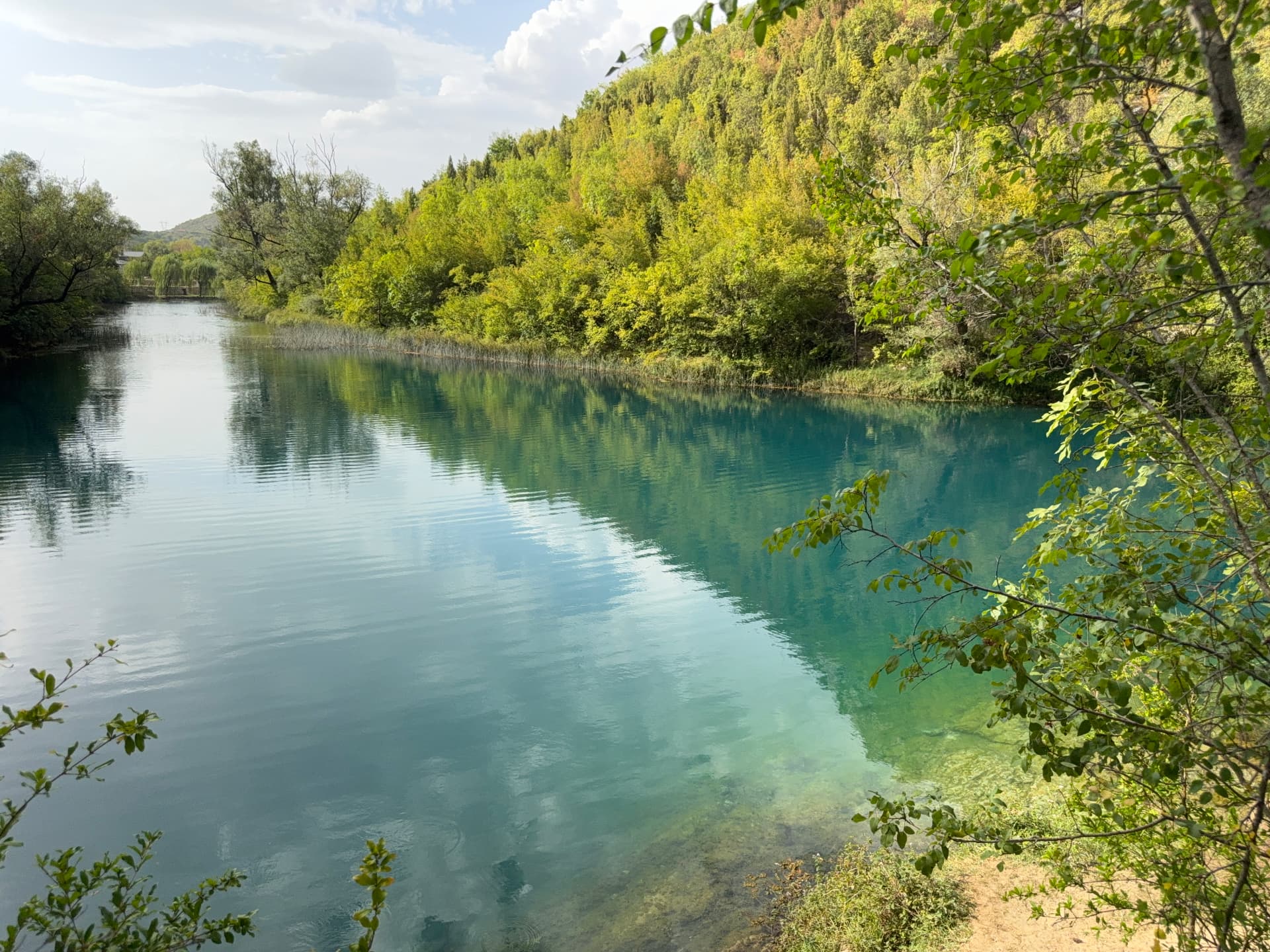
Between Mostar and Blagaj lies a place well known to many locals, but which still remains in the shadow of the far more famous Vrelo Bune. It is called Vrelo Bunice.
The first surprise is how peaceful everything looks. The water lies like a deep turquoise mirror between the forest and the steep limestone cliffs. You can walk around the area searching for the point where the water emerges – without finding any obvious cave entrance or rushing spring.
There is a reason for this.
A spring that continues beneath the surface
Vrelo Bunice is a karst spring with a deep siphon system. Unlike Vrelo Bune in Blagaj, where the Buna River dramatically gushes out of the cave beneath the cliff, Bunica's spring system is largely hidden below the surface.
Divers have explored the water-filled Bunica channel about 160 metres into the system, reaching a depth of around 73 metres. What may resemble a small, calm lake from above is actually the entrance to a much larger subterranean landscape.
It is one of the details that make the place so fascinating. You stand at the water's edge and see the start of a river, but the very landscape that feeds it continues down beneath your feet.
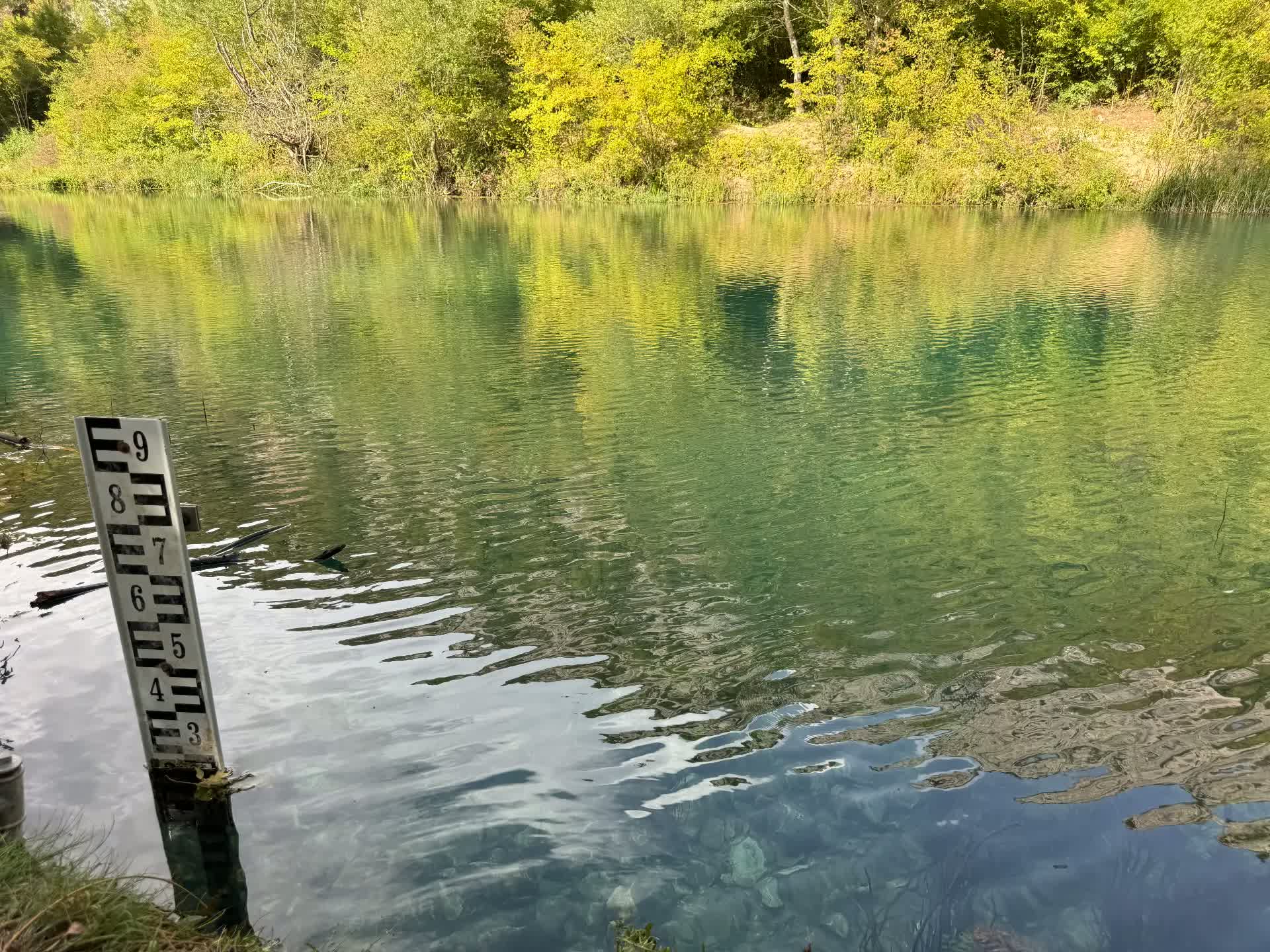
Herzegovina's invisible water world
To understand Bunica, one must understand the karst landscape of Herzegovina. The limestone is criss-crossed with crevices, cavities, and underground waterways. Rivers can disappear from the surface in one place only to reappear far away.
Research into the area links Bunica's spring system to underground water flows from the Zalomka system. What looks like an isolated spring is therefore a visible part of a much larger hydrological network beneath the mountains of Herzegovina.
It is also a reminder of how much of the landscape here actually exists underground.
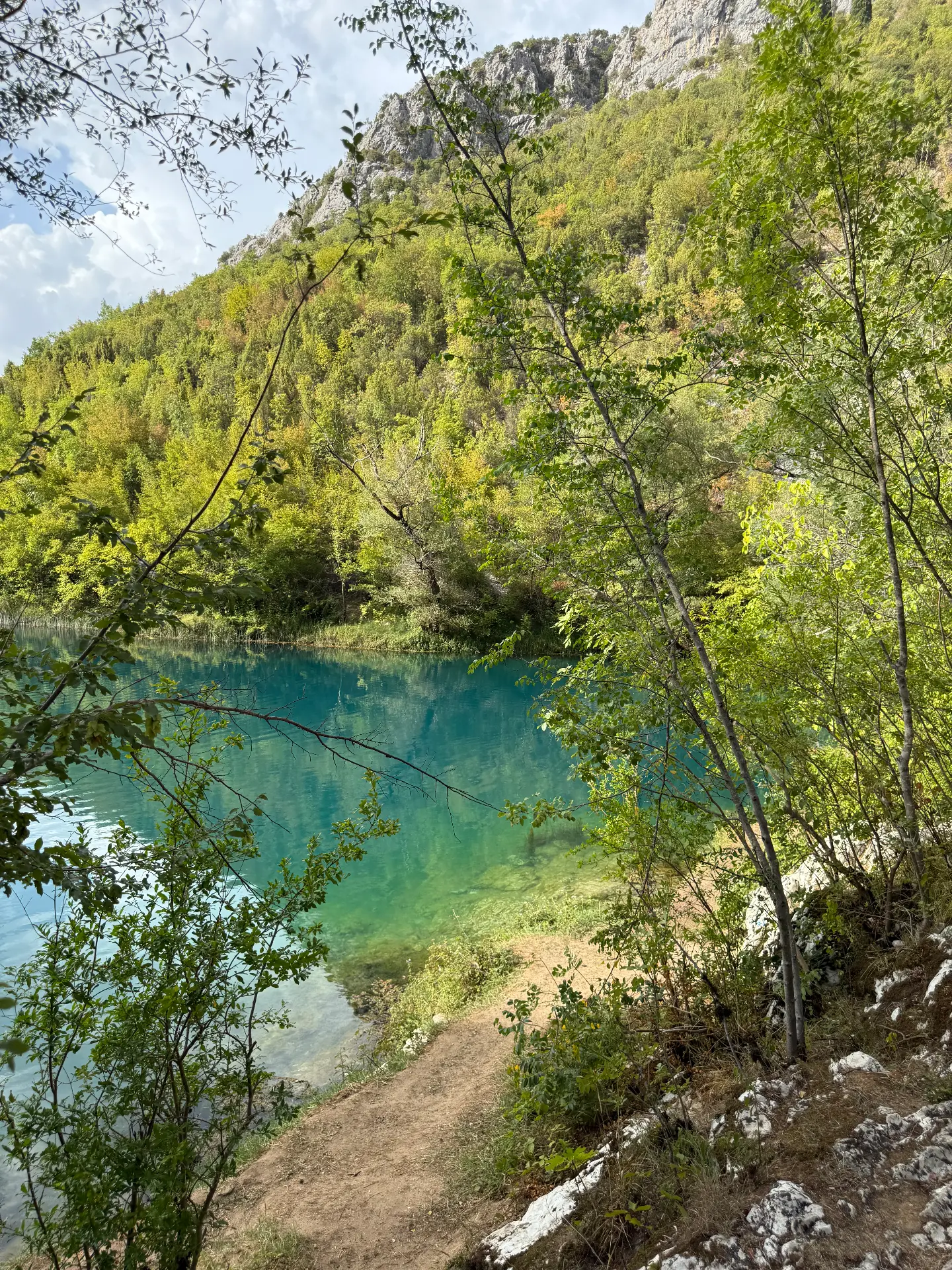
The peaceful neighbour of Blagaj
The contrast with Vrelo Bune is striking.
Blagaj has become one of Herzegovina's most famous destinations. Restaurants line the Buna, tour buses stop nearby, and the historic Dervish tekke (monastery) under the cliff has become one of the region's most photographed spots.
Vrelo Bunice has a completely different rhythm.
Here, the forest, the cliffs, and the surface of the water dominate. There is no monumental building to catch the eye and no dramatic cave entrance that immediately reveals where the river begins.
Which is exactly why the place can initially seem almost baffling.
You come to see a spring – and discover that the most interesting part is the one you cannot see.
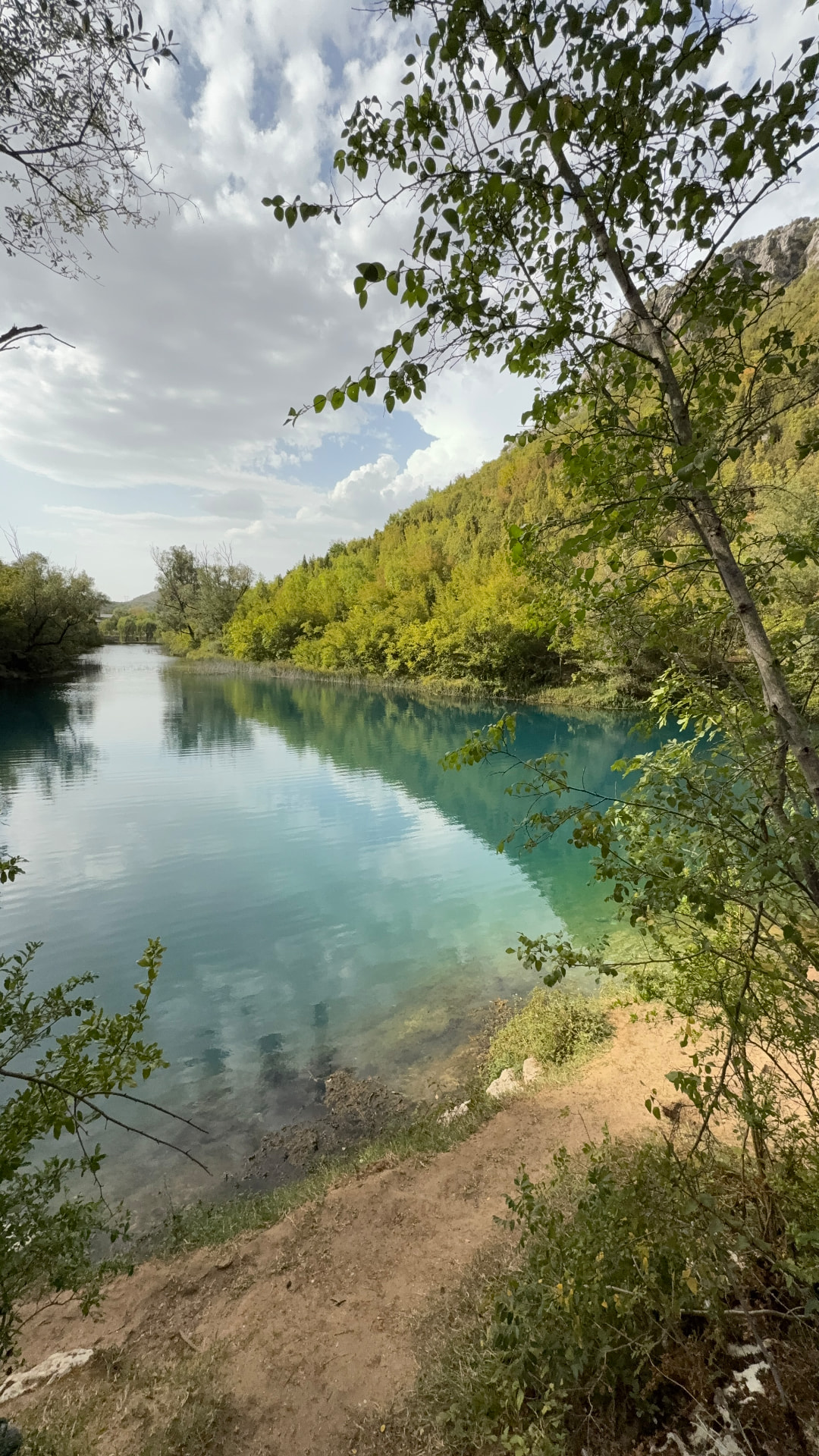
A place that still feels local
Bunica is located south of Mostar, in the area around Malo Polje and Hodbina, and can easily be combined with a visit to Blagaj.
But the experience is different.
Here, it is less about sightseeing and more about the landscape itself: the walk through the greenery, the clear water, the towering cliffs, and the feeling of standing at the edge of an underground system that continues far beyond the visible.
This makes Vrelo Bunice a fine example of the side of Herzegovina that easily gets lost behind the major tourist attractions. Just a few kilometres from some of the region's most visited spots, there are still settings where nature is the main event.
And perhaps that is exactly how Bunica should be experienced.
Not as another box to tick on a sightseeing list, but as a place to pause, gaze down into the turquoise water – and realise that the river begins somewhere far below the surface.
Plan your trip · Vrelo Bunice
Location
Vrelo Bunice, the Malo Polje/Hodbina area south of Mostar in Bosnia and Herzegovina.
Good to combine with
Blagaj and Vrelo Bune. The two springs lie relatively close to each other but offer completely different experiences.
Good to know
The area is much less touristy than Vrelo Bune. Do not expect the same choice of restaurants, facilities, and tourist infrastructure right by the spring.
For photography
The clear water, limestone cliffs, and forest are the subject itself. Lighting conditions drastically change the colour of the water throughout the day.
MOST recommends
Visit both Vrelo Bune and Vrelo Bunice on the same day. The contrast between the dramatic cave spring in Blagaj and Bunica's almost hidden underwater system makes it easier to grasp just how extraordinary Herzegovina's karst landscape really is.
Sources & further reading
Share the article
Translated from Swedish with AI assistance. Read the original.


