
The Southbound Rails: The art of slow travel to the Balkans
Exchanging Nordic pine forests for the glistening waters of the Adriatic Sea without flying is more than just a green choice. It is a journey through the shifting faces of Europe, where the swaying rhythm of night trains and the salty winds of ferries transform the journey itself into part of the adventure.
The journey begins in the familiar. As the train rolls out from the platform in the Nordics, you often carry a certain everyday restlessness with you. But as the landscape outside the window flattens, giving way to Central European plains before finally rising into dramatic mountain ranges, an inner shift takes place. Travelling by rail takes time, but the reward is immediate. You watch borders blur and cultures glide into one another, instead of simply passing over them at thirty thousand feet.
The timeless magic of the night train
The night train is the heart of this slow odyssey. There is something deeply soothing about falling asleep to the monotonous clicking against the tracks and waking up in an entirely different climate. The train compartment becomes its own little world in miniature, and the corridors serve as temporary meeting places where travellers from different corners of the world share experiences over a cup of coffee.
When the morning sun hits the compartment window, the air outside is often already warmer. The architecture of the station buildings has changed character – from the austere, functional lines of the north to more ornamented facades and reddish-brown tiled roofs. It is a visual reminder that every kilometre has been earned.
By sea across the Adriatic
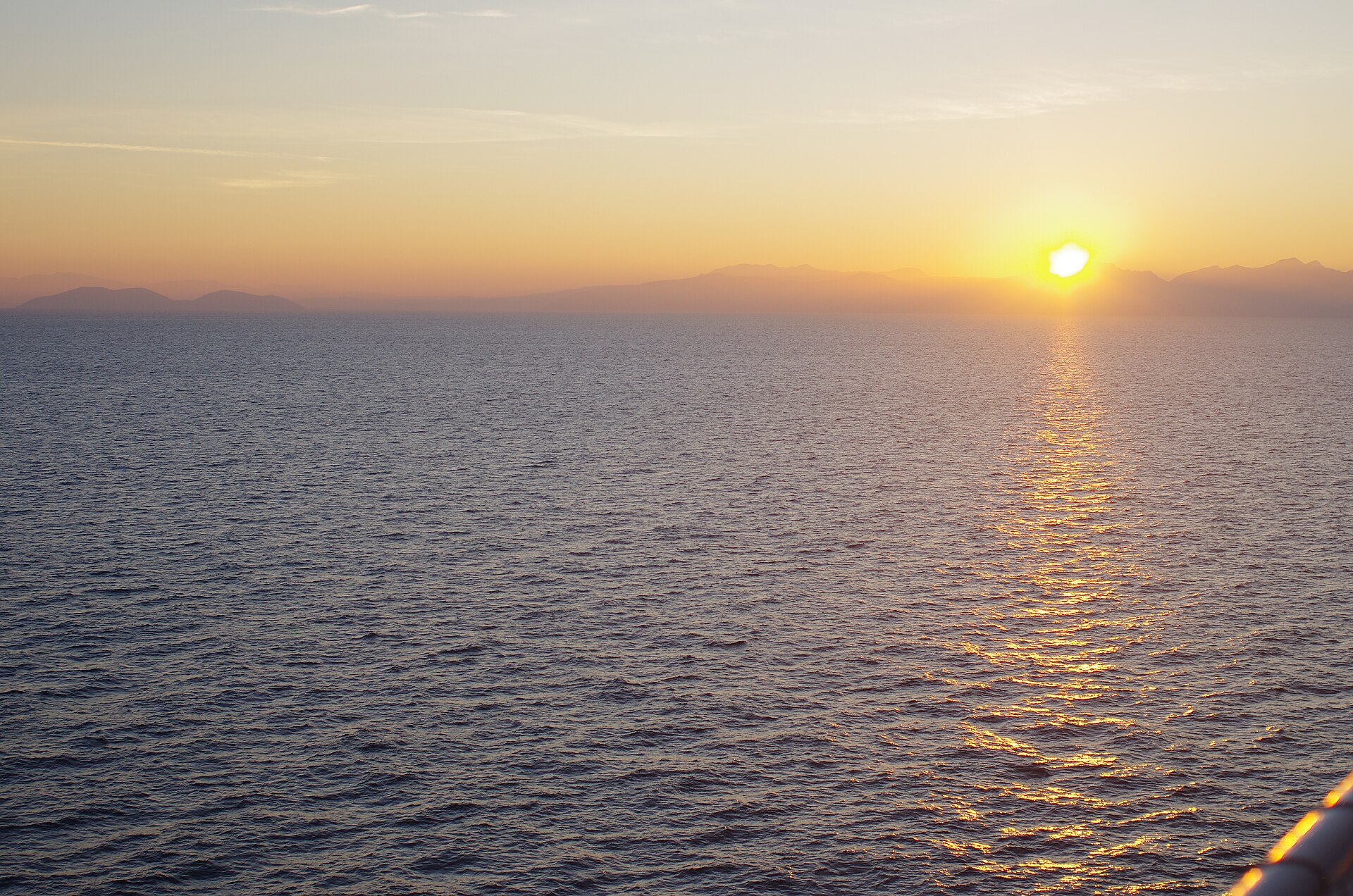
To reach the western coastline of the Balkan Peninsula, the ferry across the Adriatic Sea is the next natural and evocative step of the journey. Stepping aboard a vessel at dusk and watching the lights of the port city slowly shrink into the distance is a classic travel ritual that flying can never replicate.
Out on deck, you are met by a warm sea breeze. As the vessel approaches its final destination the next morning, you are greeted by scents typical of the region: pine needles, salt water, and wild rosemary. The barren limestone mountains rise straight out of the sea, signalling that you have arrived in a landscape shaped by sun and dramatic contrasts.
Resetting your internal clock
Approaching the Balkans slowly is also the best way to prepare for the region's pace of life. Here, time is not always measured in seconds or strict schedules, but in conversations, long coffee breaks in shady squares, and spontaneous encounters.
Anyone who has spent twenty-four hours on trains and boats has already managed to leave the Nordic rush behind. When you finally step off onto the platform or the harbour promenade, you do so with a completely different perspective – ready to encounter a region where the unexpected is often the most memorable.
Share the article
Translated from Swedish with AI assistance. Read the original.


