
The Scent of the Red Gold: How the Ajvar Season Unites the Balkans
As the September breeze grows cooler, the scent in the towns and villages across the Balkans begins to shift. From backyards, balconies and open hearths rises a sweet, smoky aroma of roasted red peppers. Autumn is here, and with it comes one of the region's most vibrant and shared traditions: the making of ajvar.
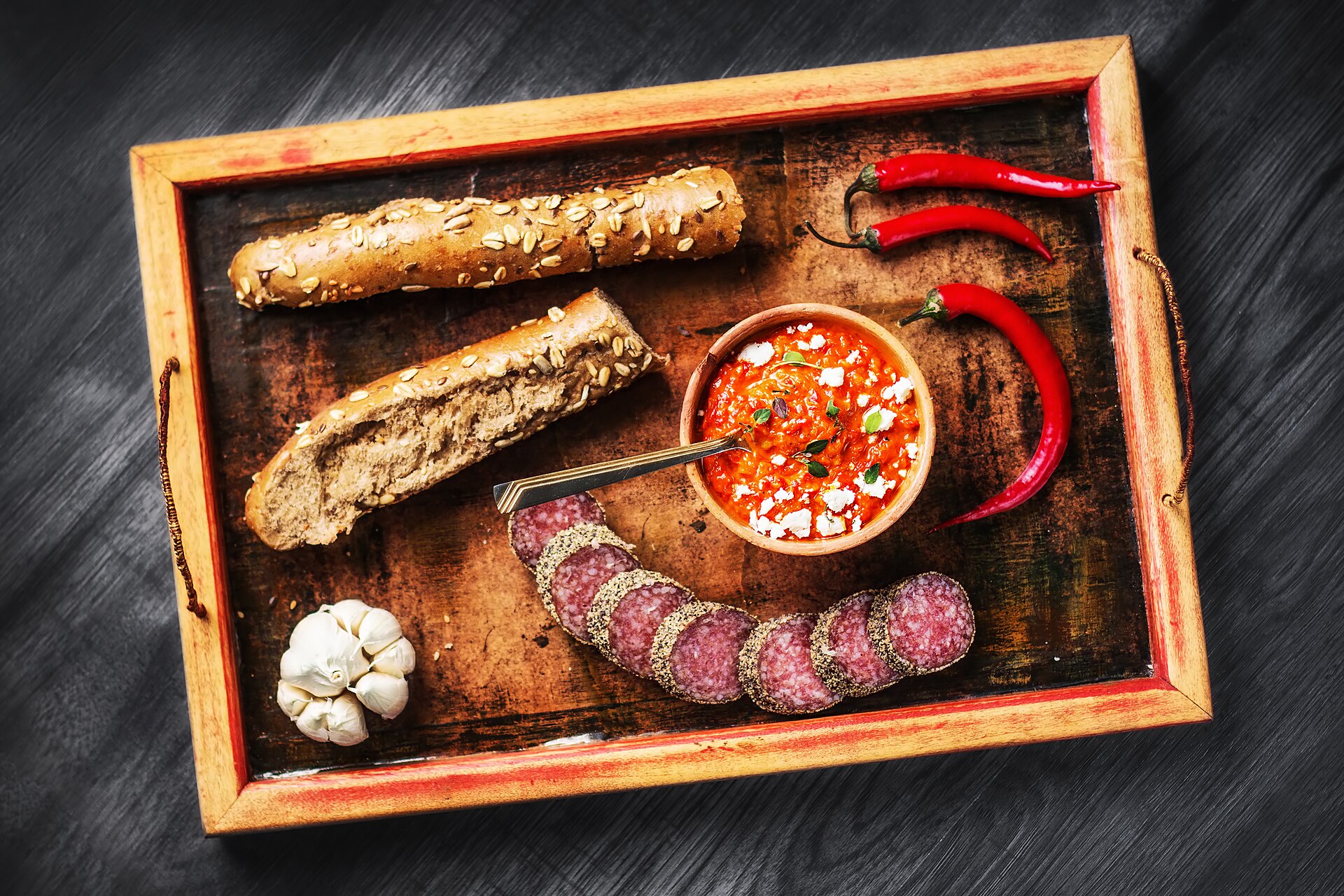
What may on the surface seem like a simple preservation method for the winter is in fact a deeply rooted social ritual. For a few intense weeks, the pace of everyday life shifts. Entire families, neighbours and friends gather around sacks filled with the characteristic, flat red peppers that have soaked up the final rays of the summer sun. It is a craft that demands time, patience and, above all, community.
The Fire and the Patient Labour
The process begins in the early hours of the morning. The peppers are carefully roasted, often on large, flat, wood-fired outdoor stoves, until the skins turn black and blistered. The aroma that spreads during this stage is the very epitome of autumn in the region. After roasting, the peppers are placed in covered vessels to steam under a lid, making it easier to peel off the charred skin.
The peeling itself is the most social part of the endeavour. Several generations sit together around the tables. Conversations flow freely, old stories are retold, and hands work rhythmically to remove skins, stems and seeds. It is a time-consuming and meticulous task that cannot be rushed, and it is precisely in this slow pace that the collective sense of community grows strongest.
The Art of the Slow Simmer
Once the peppers are cleaned and ground in a classic hand-cranked meat grinder, it is time for the most demanding step: the cooking. In large, wide cauldrons, the pepper paste is slowly simmered with oil, salt and sometimes a splash of vinegar. Some families and regions swear by adding roasted aubergine, while others maintain that the real deal should consist purely of peppers.
For several hours, the mixture must be constantly stirred with a large wooden paddle to prevent it from burning at the bottom. It is heavy work, with people taking turns at the handle. As the hours pass, the colour deepens into a rich, glossy orange-red hue, and the texture becomes creamy and thick.
More Than Just a Condiment
When the finished ajvar is finally ladled into clean glass jars, it is done with a palpable sense of pride. Every household has its own recipe, its own little secrets and its firm opinion on the perfect balance between sweetness, saltiness and smokiness.
During the cold winter months, these jars serve as a direct reminder of the summer's warmth and the autumn's companionship. Ajvar is not merely a side dish for grilled meats or a spread on morning bread – it is cultural heritage in concentrated form, prepared with time as its main ingredient.
Share the article
Translated from Swedish with AI assistance. Read the original.


