
The New Greek Calm: When Architecture Merges with the Cliffs
For decades, the image of the Greek islands has remained the same: stark white sugar-cube houses against an intense blue sea. But on islands like Tinos and Milos, a quiet transformation is taking shape. A new generation of architects is turning its back on glossy plaster, choosing instead to build with local stone, raw concrete and warm earth tones.
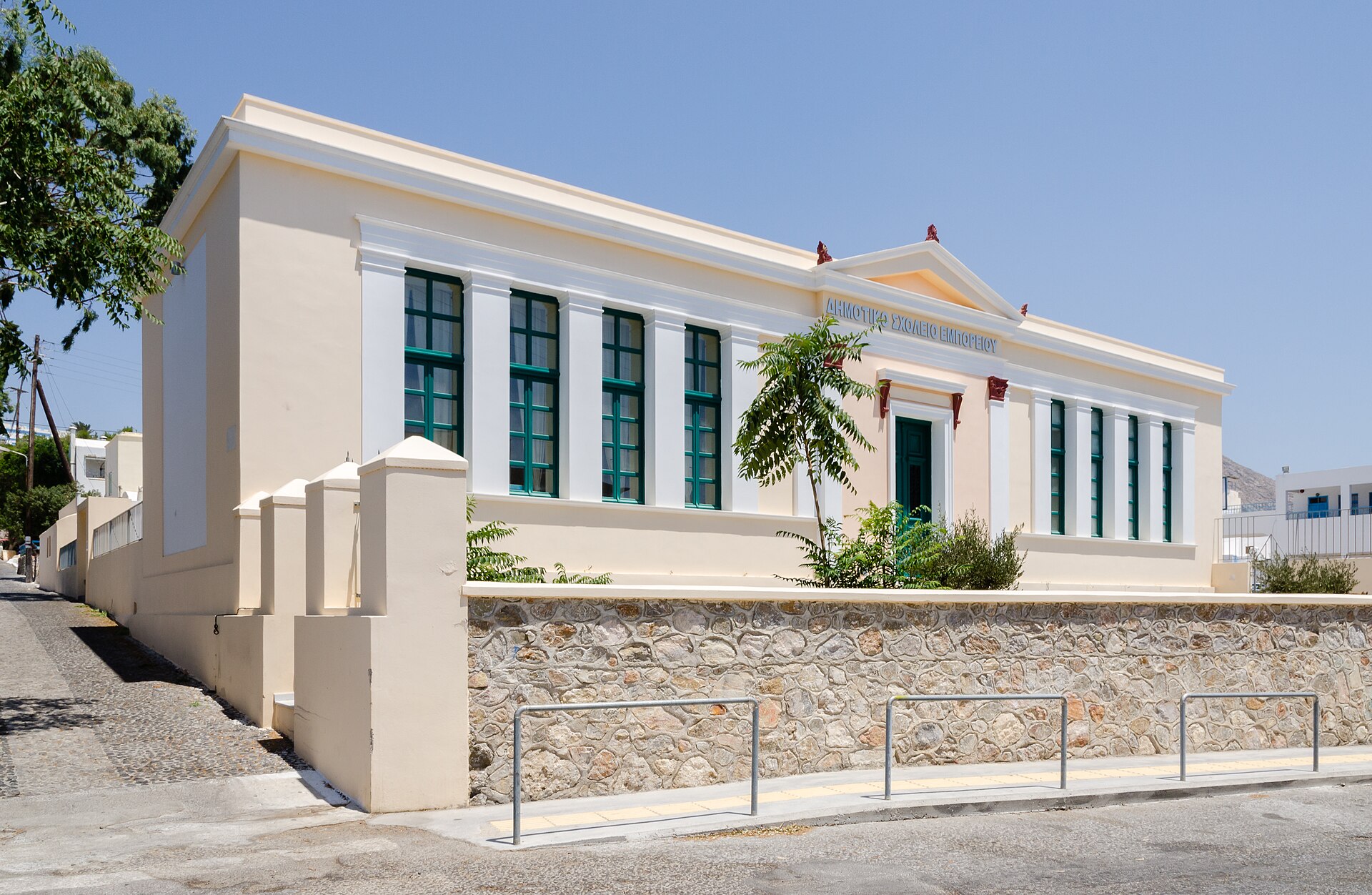
It is a warm afternoon in the Cyclades, but instead of the dazzling whiteness that usually greets the eye on the Greek islands, one is met here by something entirely different. Walls of muted ochre, grey-brown concrete that seems to have risen straight out of the dry earth, and rough stone walls that follow the natural contours of the terrain.
This is an architectural movement gaining steady ground in Greece. After years of standardised holiday villas and nostalgic copies of the classical Cycladic style, contemporary architects are tracing their way back to their roots – but in an entirely new way.
The Landscape Dictates the Rules
The fundamental idea of this new Greek minimalism is simple: the building should not dominate its surroundings; it should yield to them. On islands like Tinos, known for its barren landscape and traditional craftsmen, and Milos, with its dramatic volcanic formations, this means working with materials already found on site.
By using local stone and mixing concrete with pigments from the local soil, the houses adopt the exact colour tones of the surrounding cliffs. The result is buildings that, from a distance, seem almost to dissolve into the landscape. It is an aesthetic that celebrates the imperfect and the raw. Wooden details are often left untreated to weather to grey over time, and plastered surfaces are intentionally left rough to capture the interplay of shadows from the intense Mediterranean sun.
From Practical Function to Modern Aesthetics
The brilliant white colour we associate with Greece today has not always been the obvious norm. Historically, houses were often built of unplastered stone to blend into the terrain, or whitewashed with lime for purely hygienic and practical reasons. It was only during the last century that the white-and-blue colour combination was elevated to a national symbol and a cornerstone of the tourism vision.
What is happening now is therefore, in many ways, a return to an older, more pragmatic building tradition, but with modern lines. The new villas are often partially built into the hillsides. By integrating the houses into the ground, the architects not only minimise the visual impact but also create a natural shelter against the strong winds that regularly sweep across the islands.
Tactile Living
Indoors, the earthy theme continues. The traditional sharp boundaries between outdoors and indoors are blurred by large sliding glass doors and flooring materials that extend seamlessly onto the terrace. The furnishings are sparse, focusing on tactile materials: rough linen textiles, handmade ceramics and solid wood furniture.
This is a lifestyle trend that speaks to a modern traveller seeking serenity and privacy over status and glamour. It is about tuning out the noise and instead connecting with the quiet rhythm of the place – where the home's primary task is to frame the view of the open sea and let the natural light flood in.
Share the article
Translated from Swedish with AI assistance. Read the original.


