
The new face of Pelješac: How its hidden coastal villages are blooming
The Pelješac Bridge redrew the map of southern Dalmatia. But while wine lovers continue to make pilgrimages to the steep slopes of Dingač, this newfound accessibility has breathed life into the peninsula’s hidden corners. Here are three tranquil coastal villages where the authentic Croatia still sets the pace.
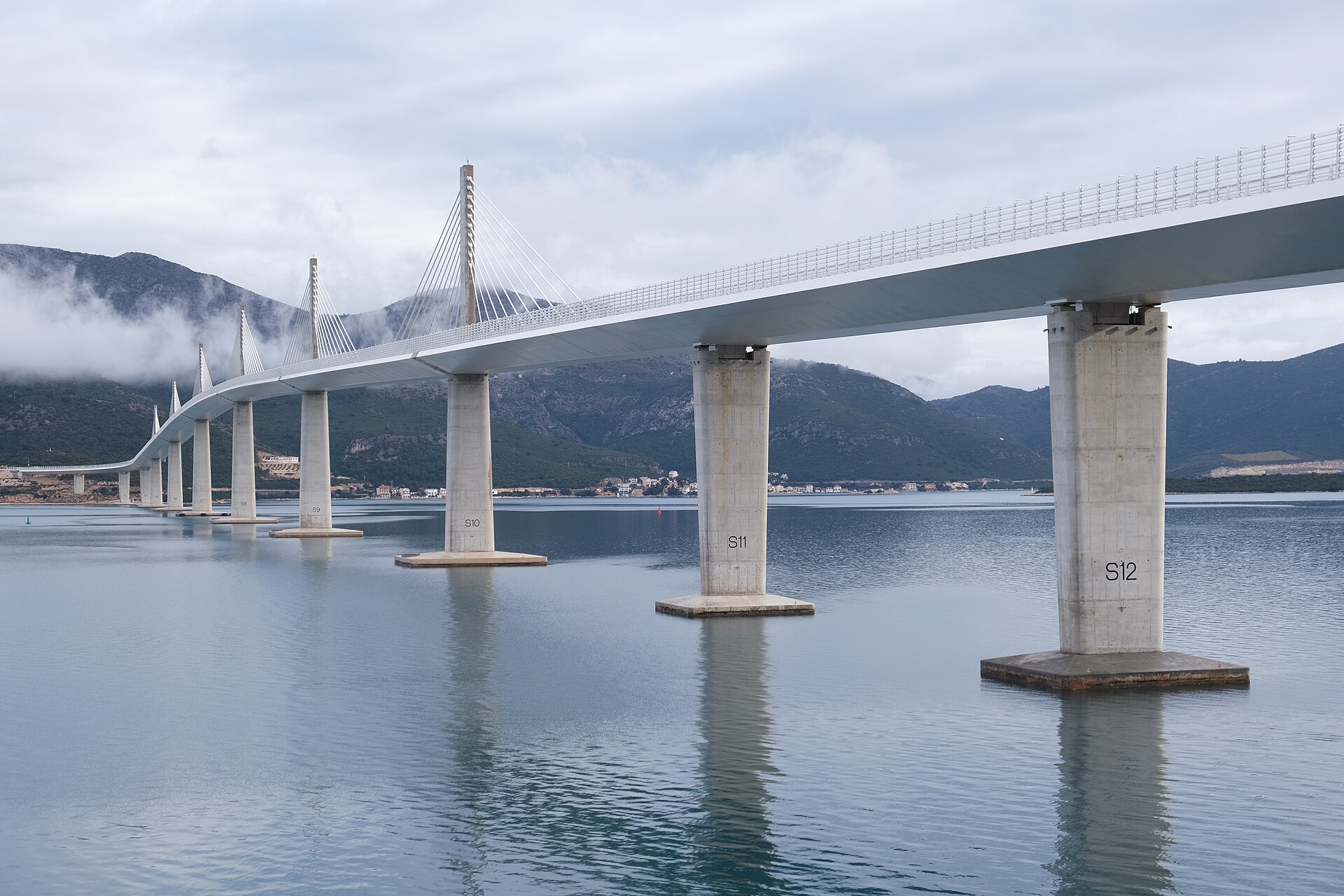
Since the opening of the Pelješac Bridge, travelling to Croatia's most famous wine peninsula has become significantly smoother. This spectacular bridge has not only shortened travel times and eliminated the need for border crossings through Bosnia and Herzegovina, but it has also opened up a previously hard-to-reach coastal landscape to curious travellers.
Pelješac has long been synonymous with powerful red wines made from the Plavac Mali grape and the world-famous oysters of Mali Ston. But behind these main attractions lies another reality. Along the peninsula’s winding roads, where Mediterranean vegetation meets the dramatic Adriatic Sea, lie a series of smaller coastal villages that were once mostly visited by local fishermen and clued-in campers. Now, these hidden oases are experiencing a quiet and well-deserved renaissance.
For the Nordic traveller seeking the authentic, slow-paced Mediterranean – far from the packed alleys of Dubrovnik or the large hotel complexes – the smaller villages of Pelješac offer a perfect alternative.
Žuljana – sandy beaches and pine forests
Žuljana lies sheltered in a deep bay on the southern side of the peninsula. The village is primarily known for its exceptionally fine sandy beaches and crystal-clear, turquoise water. The most famous beach, Vučine, is surrounded by a dense pine forest that provides natural shade during the hottest hours of the day. Žuljana has managed to retain its sleepy character; there are no large hotels here, with accommodation instead provided by local families. It is also an excellent starting point for diving, with several fascinating underwater caves and wrecks nearby.
Trstenik – the winemakers’ sheltered harbour
Further west along the south coast lies Trstenik, a small, picturesque harbour village framed by steep mountain slopes. Trstenik has a rich maritime history and was once the primary port for exporting Pelješac's famous wines. Having been severely affected by a forest fire some years ago, the village has recovered and is now blooming in a low-key, charming way. The crescent-shaped pebble beach sits in the heart of the village, and along the harbour promenade, you can sit down at a local konoba to enjoy freshly caught fish accompanied by a glass of locally produced white Pošip wine or the full-bodied red Dingač.
Lovište – tranquillity at the end of the road
Right on the westernmost tip of Pelješac, where the road literally ends, lies Lovište. Due to its sheltered location in a deep natural harbour, the village has long been a favourite destination for sailors. Lovište is often called one of the peninsula’s best-kept secrets, boasting a microclimate that offers an unusually high number of sunshine hours and warm swimming water well into autumn. The pace here is pleasantly slow. The village is known for its excellent fish restaurants, serving the daily catch straight from the local fishing boats. The flat terrain surrounding the village also makes it ideal for exploring by bicycle.
The Pelješac peninsula is changing, but development is being handled with sensitivity. The new bridge has made these hidden coastal villages accessible, but their soul – the slow pace, the hospitable locals, and the proximity to untouched nature – remains intact.
Facts
Share the article
Translated from Swedish with AI assistance. Read the original.


