
The mobile trap in the Balkans: Where EU free roaming ends
Using your mobile abroad has become second nature when travelling, but in the Balkans the line between free data and sky-high bills can be a fine one. Here’s a guide to which countries are covered by EU rules that protect your wallet – and where you need to be careful.
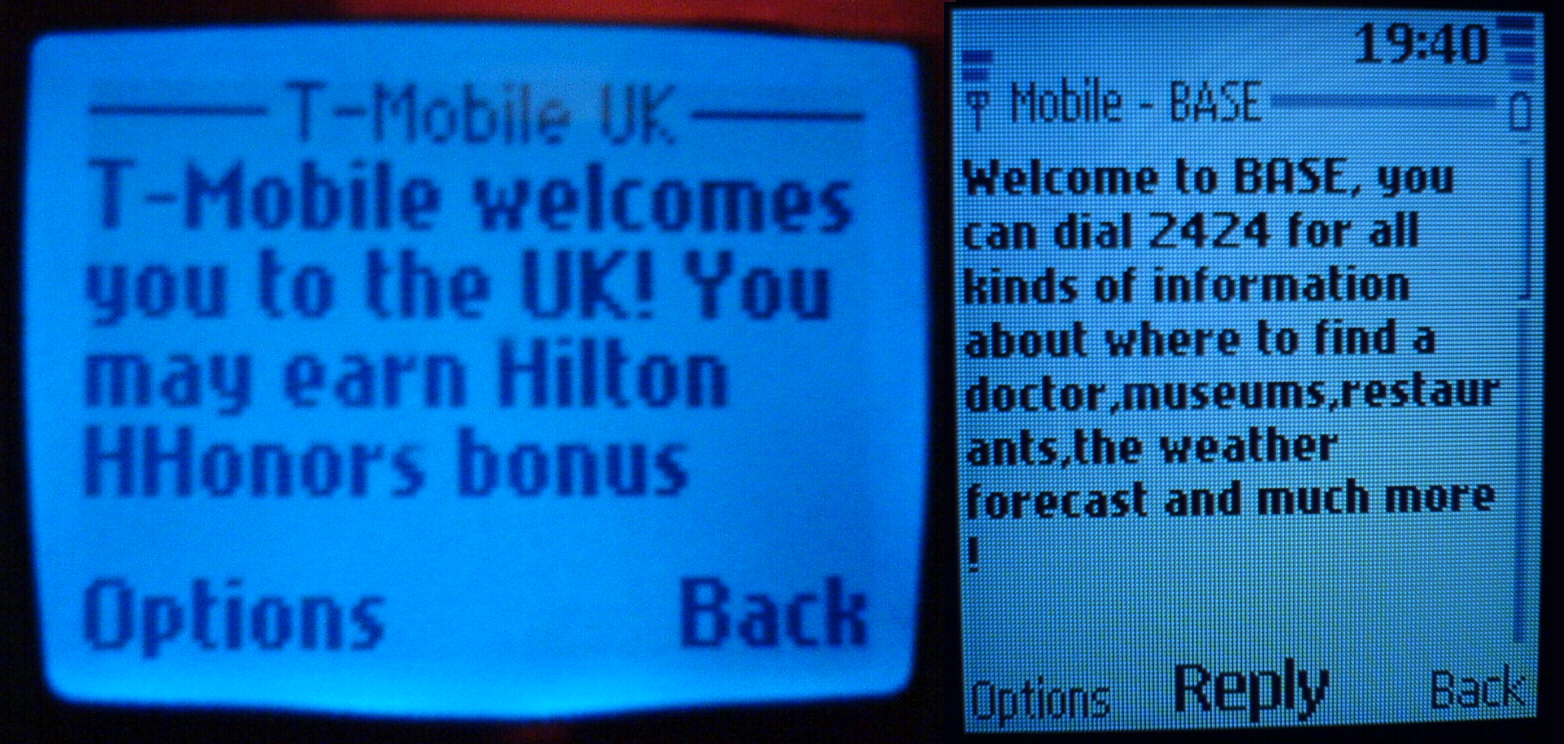
When you travel within the EU, the basic rule is simple: you can use your mobile phone for calls, texts and mobile data on the same terms as in Sweden. This is thanks to the EU’s rules on free roaming, often called “roam like at home”. But the Balkan Peninsula is a region where EU member states sit alongside countries outside the Union, meaning a short drive or a change of route can quickly alter the conditions for using your mobile.
To avoid unexpected costs on your next trip, it’s essential to know exactly where the EU’s roaming rules end and standard international rates begin.
Where you can roam like at home in the Balkans
The EU’s common roaming rules mean you don’t pay extra to use your Swedish mobile phone when you’re in another EU country. In the Balkans and south-eastern Europe, this protection applies in the following countries:
- Bulgaria
- Greece
- Croatia
- Romania
- Slovenia
If you’re in any of these countries, your data usage comes directly out of your usual allowance, and you can call and text home to Sweden or within the country at no extra cost, provided you stay within the fair-use limits of your Swedish mobile plan.
Outside the EU’s safety net
As soon as you cross the border into a Balkan country that is not an EU member, the common roaming rules no longer apply. Since these countries are not covered by EU legislation, Swedish mobile operators are not required to offer free roaming there.
This means that countries in the region that are not on the EU’s official list – for example, Bosnia and Herzegovina, Serbia, Montenegro, Albania, North Macedonia and Kosovo – have completely different rates. Here, every megabyte of data used, call received or text sent can cost money, and the rates are often considerably higher than what we’re used to within the EU.
You should be especially alert if you’re driving through the region. A journey from Croatia to Montenegro, or a transit trip along the short stretch of Bosnian coastline at Neum, means leaving the EU zone. Your phone can quickly and automatically connect to a local network outside the EU, which may start using data in the background for updates and apps before you’ve had a chance to switch it off.
Practical tips for crossing borders
To stay in control of your mobile costs during a trip to the Balkans, there are a few simple but effective steps you can take:
- Check your plan in advance: Some Swedish operators include certain non-EU countries in their plans, but this is an exception and not something you should assume.
- Turn off data roaming: Make a habit of turning off data roaming in your phone’s settings before crossing a border into a non-EU country.
- Use local networks and Wi-Fi: Make use of your accommodation’s or a restaurant’s wireless network to download maps, stream music or send messages.
- Consider local alternatives: If you’re staying longer in a non-EU country, it may be more economical to buy a local prepaid SIM card or a digital eSIM for mobile data only.
Facts
Balkan countries covered by the EU’s roaming rules:
- Bulgaria
- Greece
- Croatia
- Romania
- Slovenia
In these countries, you can use data, make calls and send texts on the same terms as in Sweden, within the limits of your plan.
Sources & further reading
- Ditt EuropaTa med husdjuren
Share the article
Translated from Swedish with AI assistance. Read the original.


