
The hype, the coast and the reality: Is Albania worth the trip?
In record time, Albania has gone from being Europe’s forgotten corner to dominating social media feeds. But behind the turquoise-blue images of Saranda and Himara, a brutal tug of war is under way between quick tourist money and the fear of selling out the country’s soul. We’ve examined Albania’s tourism boom – and what it actually means for a Nordic traveller.
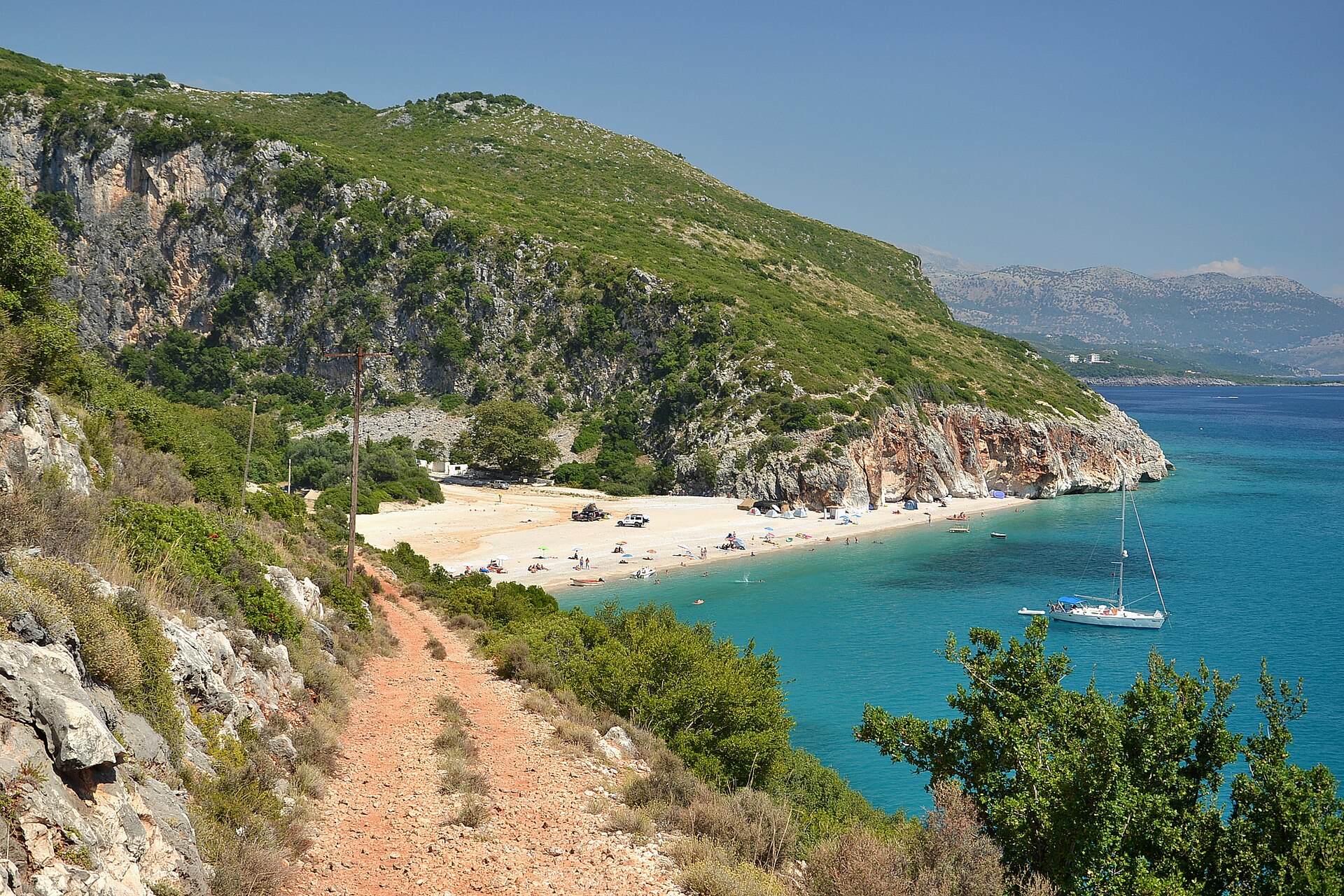
It began as a whisper among backpackers. Then came the social media videos of crystal-clear water, white sand and price tags that felt like a journey back in time. Today, Albania is no longer a secret. The southern European country, which was hermetically sealed off from the outside world until the early 1990s, has in just a few years become one of the continent’s most talked-about destinations.
For Swedish holidaymakers, used to the Greek islands or the Croatian archipelago, the promise of the undiscovered and wallet-friendly Adriatic is alluring. But as major Nordic tour operators such as Ving invest heavily and the number of flight routes grows, the question also arises: can reality withstand the enormous pressure?
The gateway to the new mass tourism
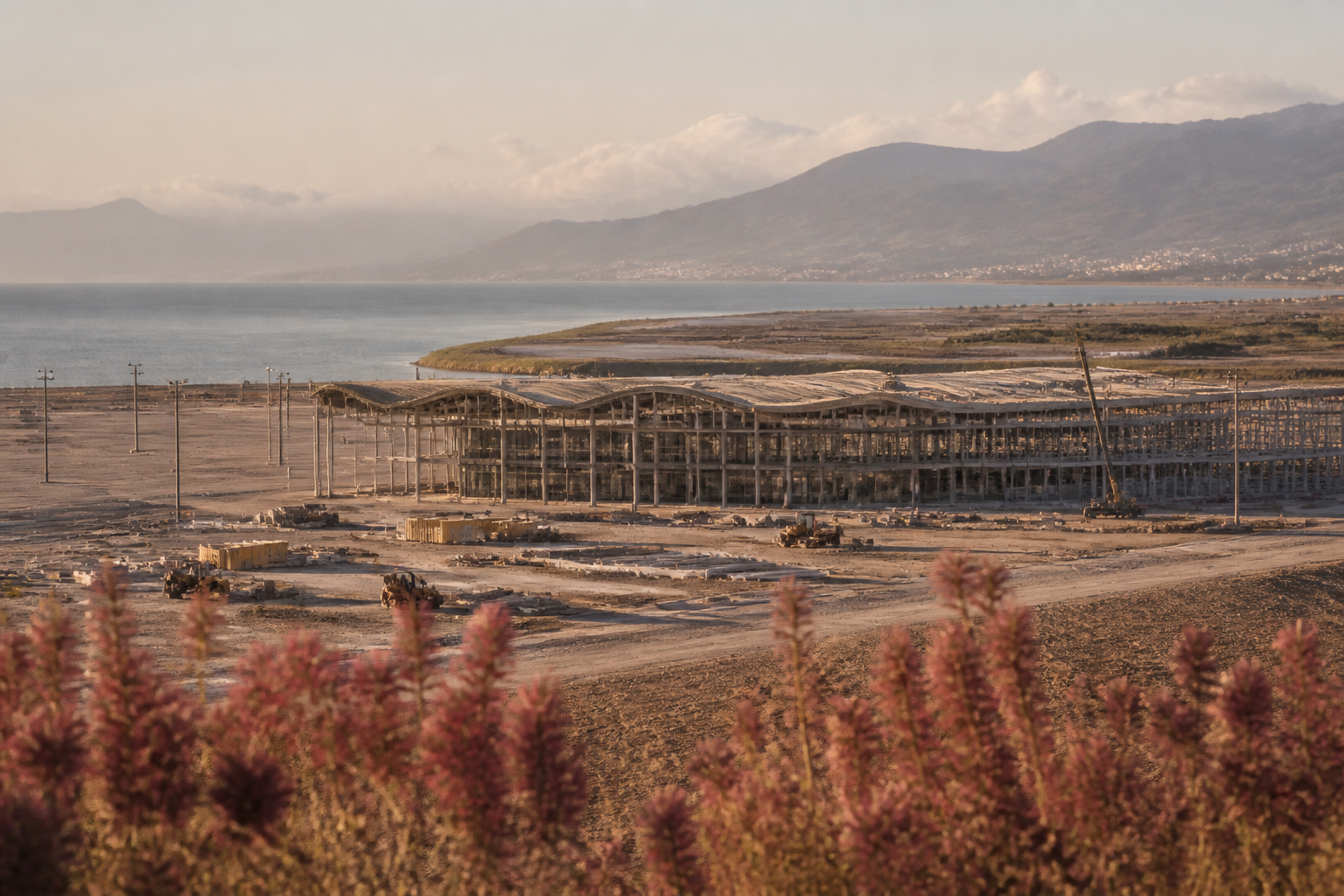
At the forefront of Albania’s vast infrastructure drive is Vlora international airport. The airport, being built by the Mabco Constructions consortium, is intended to become the country’s second international airport and a direct gateway to the southern Albanian Riviera. Infrastructure Minister Belinda Balluku and Prime Minister Edi Rama have repeatedly described the project as an economic engine that will fundamentally transform the country’s southern coast.
Today, travellers heading to Saranda or Himara have to fly to Corfu and take a ferry across the strait, or land in Tirana and drive for several hours along winding mountain roads. The new airport in Vlora is set to dramatically cut journey times and make the coast easily accessible to the wider public.
But the rapid expansion has not gone ahead without protests. Environmental organisations have warned that the airport construction, located near Narta Lagoon, threatens one of Europe’s most important wetland areas, where thousands of pelicans and flamingos breed. The contrast is striking: while the government promotes Albania as an ecotourism destination, heavy machinery is clearing the way for mass tourism that risks changing the landscape for ever.
Cultural heritage under pressure in Berat
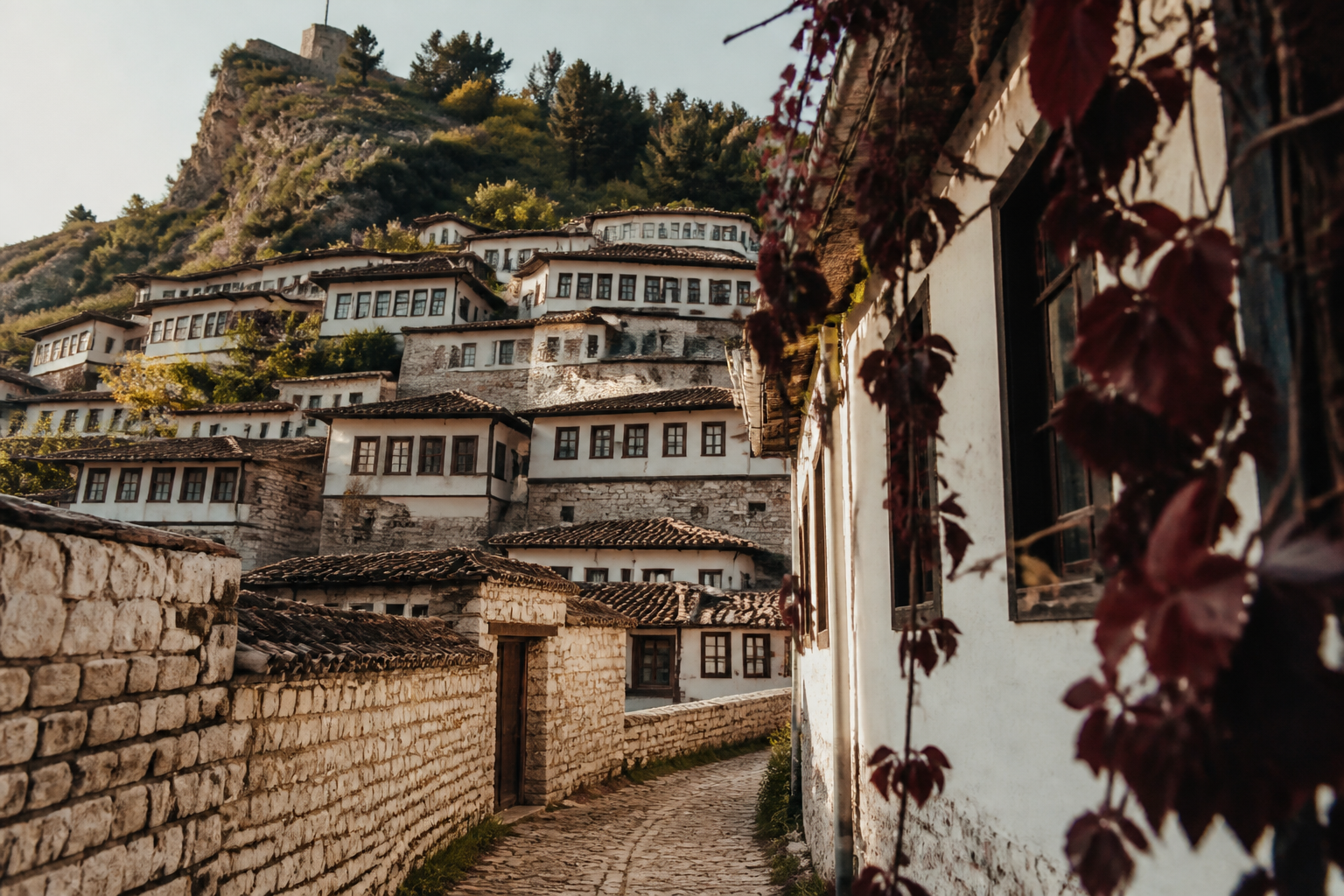
Further inland, far from the Riviera’s sun loungers, lie the historic cities of Berat and Gjirokastra. Both are on the UNESCO World Heritage List and are known for their well-preserved Ottoman architecture. Berat, often called ‘the city of a thousand windows’, offers a visual journey through time, with its whitewashed stone houses climbing the hillsides beneath the old fortress.
Here, tourism’s downside is felt in a quieter but deeply significant way. Demand for authentic accommodation has led to old family homes being rapidly converted into boutique hotels, souvenir shops and cafés.
The balance is delicate. On the one hand, tourism brings much-needed income to a region that has long suffered from depopulation. On the other, there is a real risk that living cultural heritage will be turned into empty backdrops. As local residents move away and prices rise, historic neighbourhoods risk losing the everyday atmosphere that made them unique.
A reality check on the coast
For Nordic travellers booking a trip to Saranda, Himara or Durrës, it is important to have the right expectations. Albania is beautiful, but it is still a country undergoing rapid development. Those expecting the same seamless, streamlined service as in Mallorca or Croatia may get a rude surprise.
The biggest problem on the coast is an acute staff shortage in the hospitality industry. As tourism booms, many young Albanians with language skills are choosing to emigrate to Western Europe in search of higher wages. This has left hotels and restaurants with a large proportion of untrained staff, often resulting in erratic service. Long waits in restaurants, misunderstandings caused by language barriers and infrastructure that sometimes buckles under the pressure of the high season are not uncommon.
Furthermore, the extremely rapid development has led to an aesthetic imbalance. Along the beaches in Saranda, newly built luxury hotels stand alongside half-finished concrete shells and inadequate rubbish management. It is a raw, unfinished reality that rarely appears in Instagram’s retouched feeds.
Vjosa and the wilderness
There are, however, areas where Albania has the potential to show the way towards more sustainable development. One of the most successful examples is Vjosa river national park, established after years of international campaigning. Vjosa is one of Europe’s last completely wild rivers, flowing freely from the Greek Pindus Mountains to the Adriatic Sea without artificial dams or hydroelectric power stations.
Protecting Vjosa was a huge victory for the environmental movement, but pressure from developers who want to build hotel complexes near the river delta is constant. If Albania succeeds in holding its ground and developing small-scale, nature-based tourism around Vjosa and the isolated mountain villages in the north, the country could offer something unique in a Europe where almost every nature reserve has already been commercialised. But that requires the political courage to choose long-term protection over quick, short-term gains.
Is the trip worth it?
The answer depends entirely on what kind of traveller you are. If you’re looking for a perfectly packaged, worry-free beach holiday where everything works like clockwork, Albania may not quite be ready to meet your expectations during the high season.
But if you travel with an open mind, appreciate strong contrasts and want to experience a country in the midst of intense change, Albania has a lot to offer. There is still a genuine hospitality that has not yet become entirely cynical, a food culture that combines the best of Italian and Balkan cuisine, and dramatic landscapes that take your breath away. The hype is partly the product of clever marketing, but beneath the surface lies a fascinating destination – as long as you’re prepared to see both the shine and the cracks in the façade.
Facts
ALBANIA AT A GLANCE
- Geography: Borders Montenegro, Kosovo, North Macedonia and Greece. Its coast faces the Adriatic and Ionian seas.
- Currency: Albanian lek (ALL), but euros are often accepted at hotels and for larger purchases.
- UNESCO World Heritage Sites: Berat and Gjirokastra (historic cities), Butrint (archaeological site) and ancient beech forests.
- National parks: Vjosa river national park (Europe’s first wild river national park) and the Albanian Alps in the north.
Sources & further reading
- live.worldtourismforum.netAlbania's Tourism Explosion: Sustainable Growth or ...
- researchgate.netA Coordination Game in the Albanian Riviera
- researchgate.net(PDF) Regional Development Tourism for Albania
- en.wikipedia.orgVlora International Airport
Share the article
Translated from Swedish with AI assistance. Read the original.


