
The Heritage of Konjic: Bosnian Woodcarving on UNESCO’s Cultural Heritage List
In the Bosnian town of Konjic, a craft tradition lives on, having stepped from local workshops onto the global stage. Woodcarving from this region is now inscribed on UNESCO’s prestigious Representative List of the Intangible Cultural Heritage of Humanity.
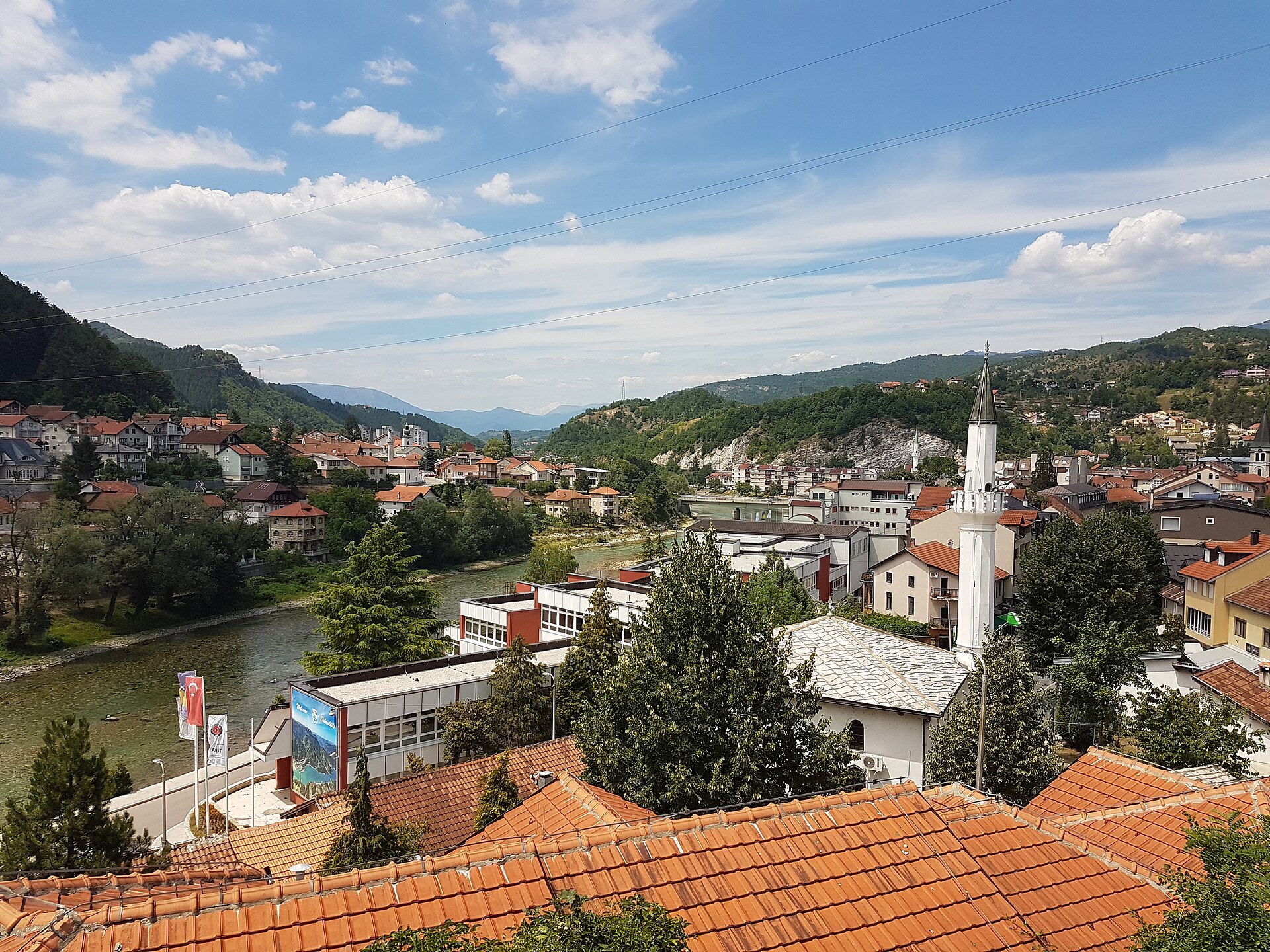
Preserving ancient crafting techniques in a modern world is a challenge, but in Bosnia and Herzegovina, one specific tradition has succeeded in attaining international status. Woodcarving from the town of Konjic (Konjic woodcarving) has been officially recognised by UNESCO as part of the intangible cultural heritage of humanity.
UNESCO’s listing aims to safeguard and highlight living traditions, crafts and knowledge passed down through generations. The inclusion of this particular Bosnian woodcarving tradition is testament to its unique character and historical significance for the region.
A living heritage
Cultural heritage is not just about monuments and historical buildings, but very much about the knowledge and skills that people carry with them. Woodcarving in Konjic is a clear example of this. By preserving these specific techniques and patterns, history is kept alive in contemporary Bosnia and Herzegovina.
For visitors to the region, the craft offers a deeper understanding of the country's culture and traditions. UNESCO’s recognition ensures that the knowledge of this unique craftsmanship can continue to be shared, preserved and inspire beyond the country's borders.
Share the article
Translated from Swedish with AI assistance. Read the original.


