
The Great Calm on Lake Ohrid: North Macedonia’s Quiet Autumn Season
When the summer charter flights have taken off and the beaches have emptied, time stands still on Lake Ohrid. What remains is crystal-clear, still-lukewarm water, the scent of freshly grilled fish and a cultural heritage that can finally be enjoyed at leisure. Autumn in North Macedonia is no mere waiting room for winter – it is the season when the lake returns to itself.
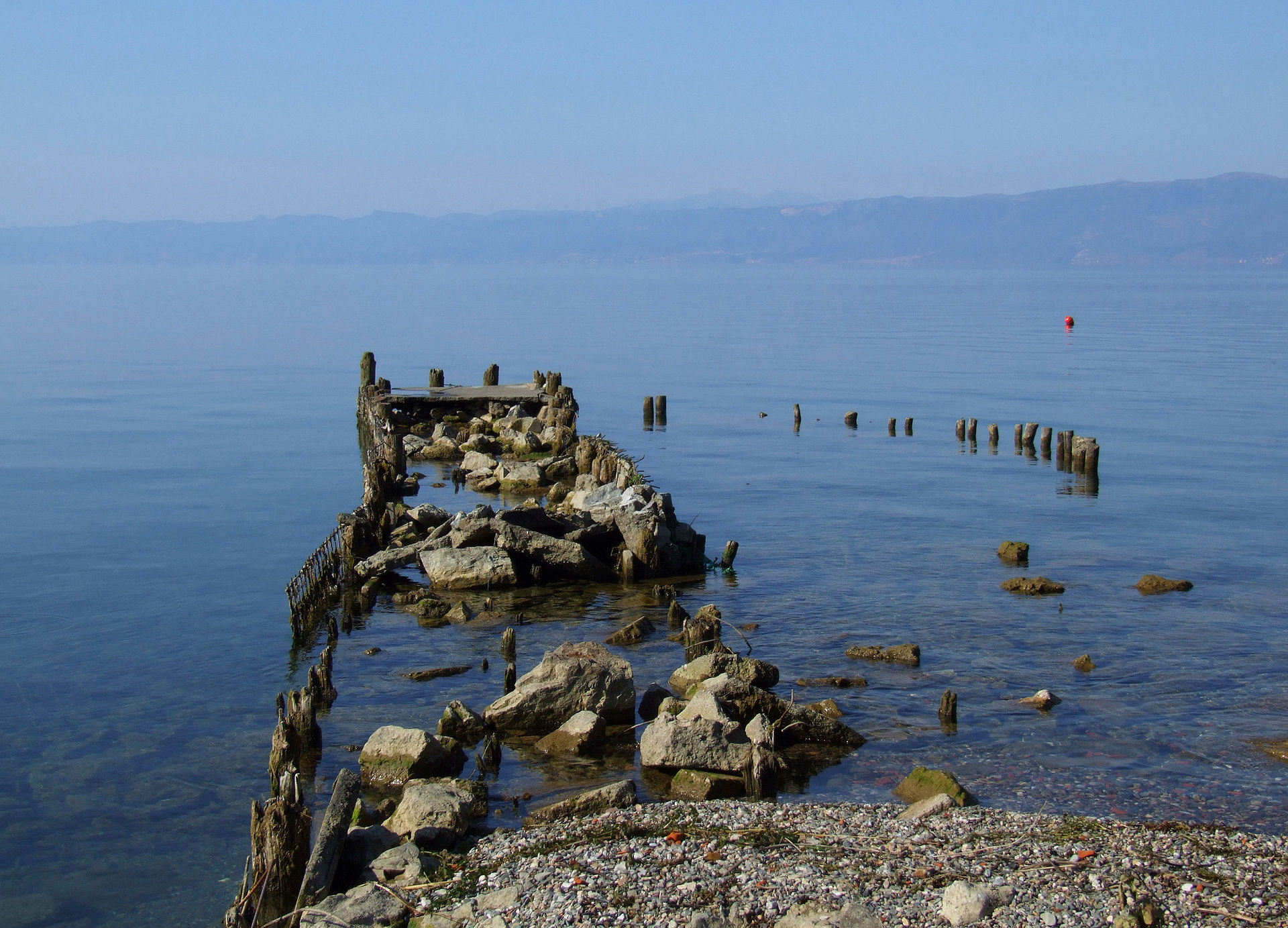
The sunlight falls differently on Lake Ohrid in late September. The sharp, almost bleaching summer glare has given way to a softer, golden hue that lingers over the red-tiled roofs of the old town. Signs of a change of pace are everywhere. Gone are the noisy tour groups and young beachgoers who fill the narrow streets in July and August. In their place is a stillness best experienced along the promenade, where the only sound is the gentle lapping of waves against the hulls of wooden boats.
For Nordic travellers looking for a combination of nature, history and authentic local life, this transitional period may be the very best time to visit the southern Balkans. With a climate strongly influenced by the Mediterranean, the warmth lingers well into the year, and in September and October North Macedonia shows its most generous and least affected side.
One last dip in warm water
Swimming in Lake Ohrid in early autumn is an experience that surprises many people. While the air turns fresher and the evenings cooler, the deep, spring-fed water holds on to its warmth remarkably well. In September, the water temperature is often around 22–24 degrees, making it entirely comparable to the Nordic summer months.
Along the lake’s eastern shore, pebble beaches stretch out with not a sun lounger in sight. At Gradište Beach, which in high summer is a hub for festivals and bar-hopping, there is now absolute silence. Further south lies the small fishing village of Trpejca, often called the country’s equivalent of Saint-Tropez during the hectic weeks of July. Now the narrow lanes leading down to the water have been reclaimed by the cats and the local residents. Here, you can settle on the rounded stones at the water’s edge and gaze out across the vast expanse of water, framed by the wooded slopes of Galičica National Park, which are slowly beginning to turn gold and rusty brown.
At Lagadin, just south of Ohrid town, the mood is sleepy and restful too. The beaches are empty, but the water is just as clear as it is on the hottest days of summer – in fact, visibility is often even better once boat traffic has eased.
Cultural heritage without the crowds
Ohrid’s historic centre is listed as a UNESCO World Heritage Site, and it is easy to see why as you wander through its steep, cobbled lanes. Doing so in high summer, however, can test your patience. Autumn offers a very different opportunity to take in the history.
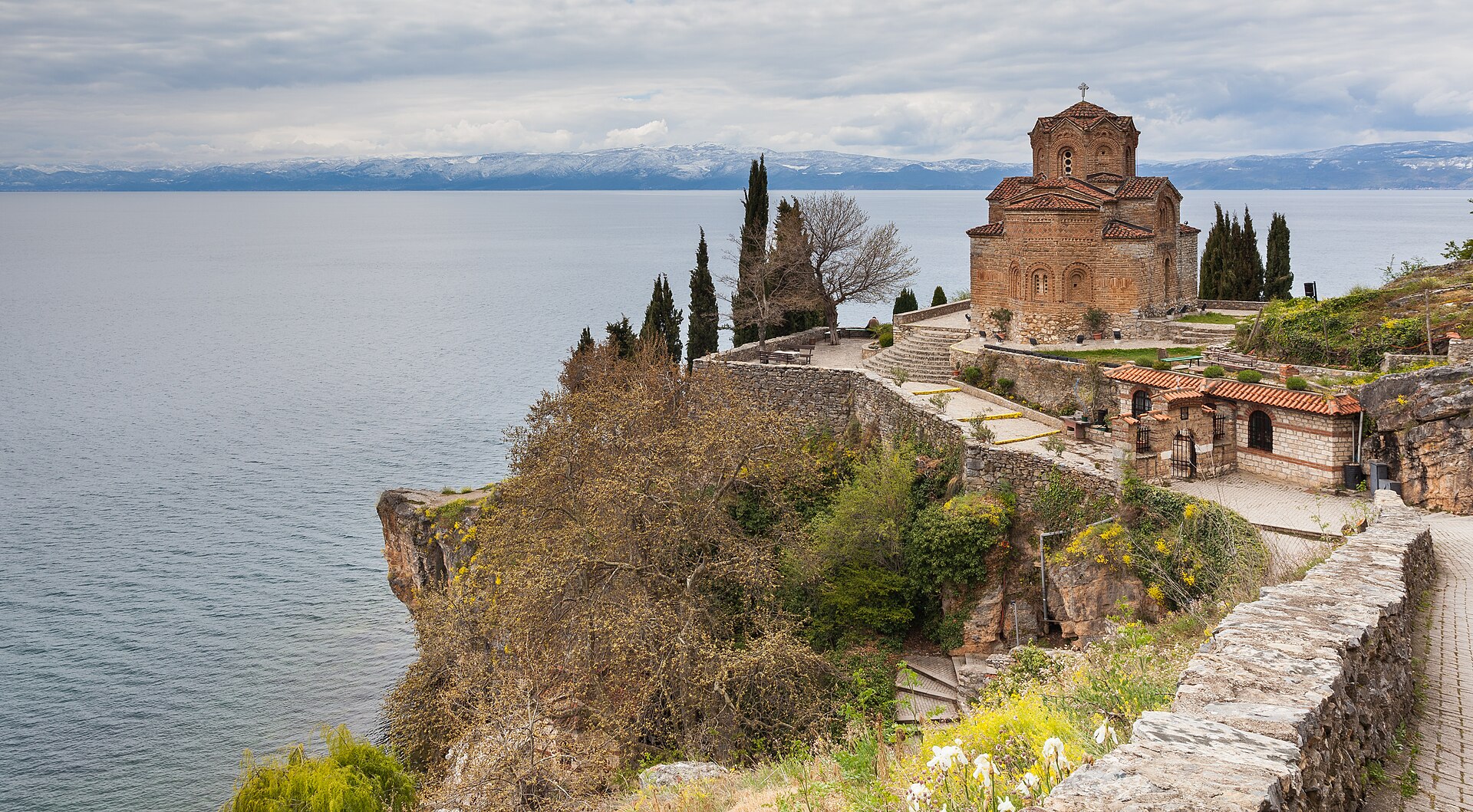
At the iconic Church of Saint John at Kaneo, perched on a cliff high above the lake, there is no need to queue for the perfect view. You can sit on the wall and let your gaze wander west towards the Albanian side of the lake, without the background chatter. The Byzantine architecture and well-preserved frescoes in the district’s many small churches invite contemplation when you can visit at your own pace.
South along the lake lies the Bay of Bones, a reconstruction of a prehistoric pile-dwelling settlement that attracts busloads of day-trippers in summer. During the autumn months, you can walk along the wooden walkways over the turquoise water and explore the reconstructed clay huts without having to squeeze through the narrow passages. The journey can continue all the way down to the border, to the monastery of St. Naum. Here, springs bubble up, feeding Lake Ohrid with cold, filtered mountain water from Lake Prespa on the other side of the mountain. Autumn leaves float on the mirror-still surface of the springs’ lagoon, and black swans move lazily between the trees.
Clay pots and harvest time
As the sun sets behind the mountains, the autumn air grows noticeably cooler, and the change is immediately reflected on restaurant menus. Macedonian cuisine is made for this time of year. This is when rustic, warming dishes come into their own.
The most classic of them all is tavče gravče – white beans that are boiled and then slowly baked in a traditional clay pot with onion, red pepper and dried mint until the top is golden brown and lightly crisp. The dish is served piping hot, often with freshly baked country bread to mop up the rich sauce.
In the fishing village of Radožda, on the western shore near the Albanian border, restaurants line the water’s edge. The rushed service of summer has given way to a more personal welcome. Fresh lake fish is a popular choice, simply prepared and served with lemon and olive oil.
Autumn is also the defining season for the grape harvest in North Macedonia. The central region of Tikveš, the country’s wine-producing heart, is only a short drive to the east. Combining a visit to Lake Ohrid with a detour to wineries such as Popova Kula offers a glimpse into a wine tradition stretching back to antiquity. Grapes such as the powerful, dark vranec and the aromatic white temjanika are harvested here in September and October. The local wines naturally find their way to the restaurants around the lake, where they make the perfect accompaniment to autumn dinners.
The true local pace
Perhaps it is in the cafés of Ohrid town that autumn’s charm is clearest of all. As the tourist season winds down, the cafés return to being the living rooms of local people.
Here, people linger over a simple espresso or traditional Turkish coffee, served in small cups with a glass of cold spring water on the side. Conversations are in Macedonian, the pace is slow and no one is in a hurry to leave. The stress that can mark the service industry during high season is gone, and encounters with people feel more personal and relaxed.
As you walk through the town, it is clear that everyday life has taken over. Fishermen mend their nets at the harbour, while greengrocers at the local market fill their stalls with the autumn harvest of glossy aubergines, figs and colourful peppers, soon to be turned into winter stores of ajvar. It is a simple, honest and beautiful life, far removed from the carefully staged tourist scenery. For anyone who wants to experience Lake Ohrid as it really is, once the sets have been taken down, autumn is the perfect time to visit.
Facts
Travel facts: Autumn on Lake Ohrid
- Climate: September often brings daytime temperatures of between 22 and 25 degrees by the lake. October is cooler, at 16–22 degrees, but is statistically one of the driest months of the year.
- Prices: Prices are noticeably lower than during high season, and many hotels and guesthouses reduce their rates significantly after August. Check current prices directly with your accommodation.
- Don’t miss: A drive across the Galičica Pass to Lake Prespa. The autumn colours in the national park in October are spectacular, with viewpoints where you can see both lakes at once.
Sources & further reading
- macedonia-car-rental.comAutumn in North Macedonia: September & October Travel Guide
- mywanderlust.plBeautiful Ohrid, North Macedonia off season
- macedonia-car-rental.comLake Ohrid Beaches: Best Swimming Spots & Access Guide
- macedoniaguidebook.comLake Ohrid, North Macedonia: The Complete Guide
Share the article
Translated from Swedish with AI assistance. Read the original.


