
The Belgrade–Bar Railway: How to Book and Travel on the Balkans’ Most Beautiful Train Route
Travelling by train between Serbia’s capital, Belgrade, and the Montenegrin port town of Bar is more than just a way to get from A to B. It is one of Europe’s most spectacular train journeys: 476 kilometres of engineering through wild mountain passes, across dizzying viaducts and through hundreds of tunnels. Here is a complete, practical guide to planning, booking and enjoying this analogue adventure on rails.
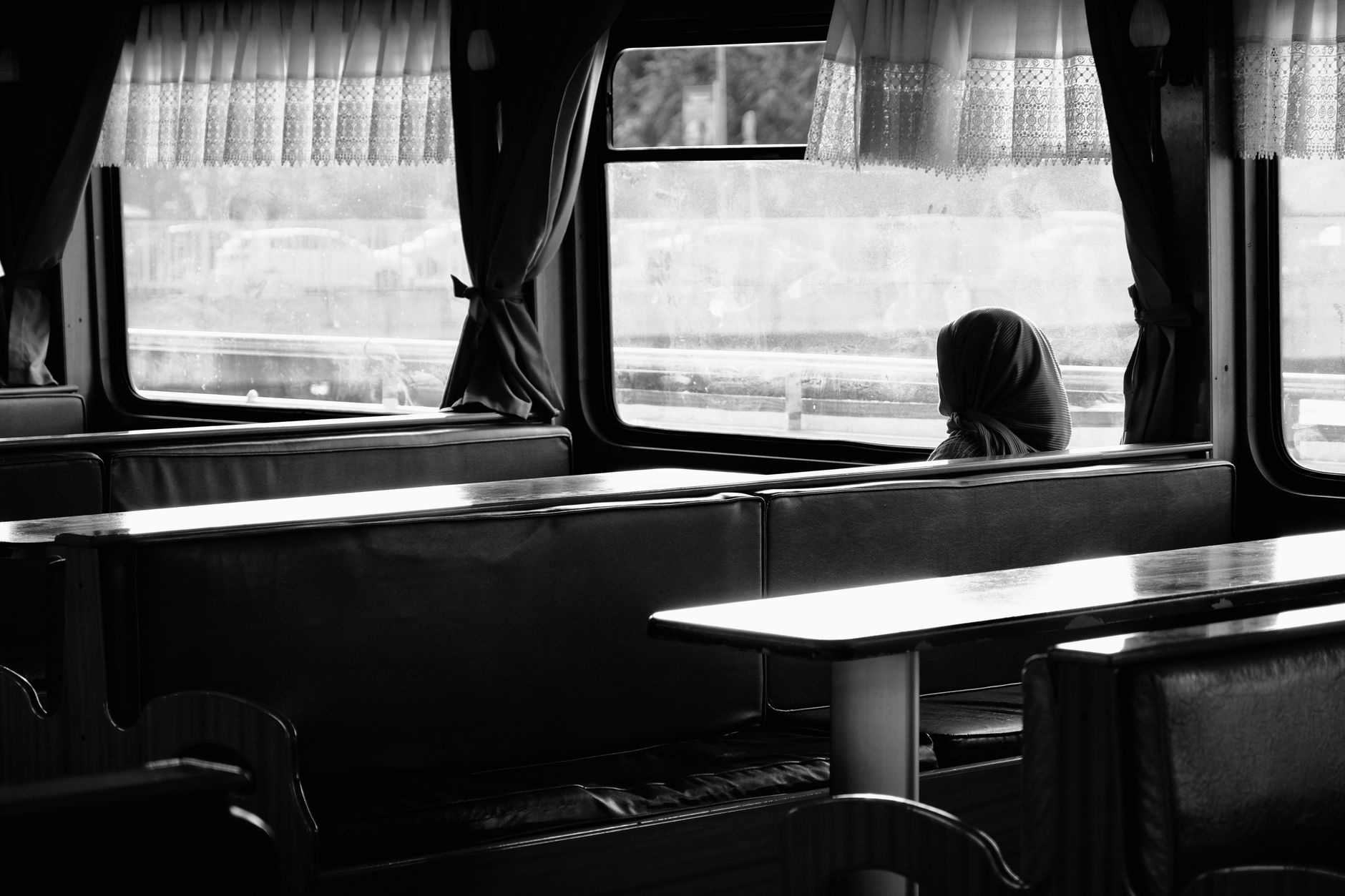
The railway between Belgrade and Bar is more than just a train line; it is a monument to Yugoslav engineering and one of the world’s most scenic rail journeys. Boarding the train means setting off on an eleven-hour journey through 254 tunnels, over 435 bridges and across three different countries. But making the trip also takes some planning: this is still very much an analogue travel landscape.
Route highlights: From Serbian plains to Montenegrin ravines
Construction of the line began in the 1950s, but it was not officially opened until 1976 by Yugoslavia’s then-president, Josip Broz Tito, who travelled on it himself aboard his famous blue luxury train (Plavi voz). It was one of the country’s most complex infrastructure projects ever, and it is easy to see why as the landscape changes dramatically outside the window.
The journey starts at Belgrade’s central station, Beograd Centar (also known as Prokop). For the first few hours, the train rolls through Serbia’s gently rolling countryside, passing towns such as Valjevo and Užice. The further south you travel, the more dramatic the landscape becomes. The train winds its way up into the Dinaric Alps and actually passes through Bosnian and Herzegovinian territory for a short stretch of nine kilometres (by the small station of Štrpce) before rolling into Montenegro.
It is on the Montenegrin side that the line reaches its most breathtaking heights. After the border station of Bijelo Polje, the train climbs to its highest point at Kolašin, 1,032 metres above sea level. From here, it begins a dramatic descent towards Podgorica. The undisputed highlight of the line is the Mala Rijeka Viaduct. At 200 metres above the ravine, it was for a long time the world’s highest railway bridge, and the feeling as the train rolls out over the narrow steel structure is magical and dizzying. After passing the capital, Podgorica, the train crosses Lake Skadar via a narrow strip of land before finally reaching its terminus, Bar, on the Adriatic coast.
Day train or night train: Timetables and comfort options
There are two daily departures in each direction: a day train (often called Tara, train 1130/1131 during the summer season) and a night train (often called Lovćen, train 432/433). Which one you choose depends entirely on what you want from the journey.
When it comes to comfort, the night train offers several different classes:
- Seated carriage (2nd class): The cheapest option, but not recommended for overnight journeys as the carriages are often full and the lights are rarely turned off completely.
- Couchette: Compartments with 6 or 4 berths. An affordable and sociable way to travel, with sheets, a blanket and a pillow included.
- Sleeper: Compartments with 3 (Tourist), 2 (Double) or 1 berth (Single). These carriages are often operated by the Montenegrin rail company ŽPCG or the Serbian Srbija Voz, and offer the best comfort and privacy.
Buying tickets in practice: Prices, stations and analogue systems
Buying a ticket for the Belgrade–Bar train is a journey back in time. At present, it is not possible to book international tickets for this route online through the Serbian or Montenegrin rail companies’ websites. You must buy your ticket in person at a railway station in the region, or use a local agent.
Prices are very affordable. A one-way second-class ticket costs around 21 EUR. There is also a compulsory seat reservation fee of around 3 EUR for the day train. For the night train, you pay a supplement depending on the comfort class: a berth in a 6-berth couchette costs around 6 EUR extra, while a bed in a double sleeper costs around 15–20 EUR extra per person.
Tip for booking in advance: If you want to have your tickets secured before you arrive in Belgrade, you can contact local travel agencies in Serbia that specialise in train bookings, such as MRG Travel in Belgrade, which can book the tickets for a small fee and deliver them to your hotel or let you collect them in person.
Border crossing and provisions: Travelling through Bijelo Polje
As the journey crosses the border between Serbia and Montenegro (both of which are outside the Schengen Area), there is a formal passport and customs check. The good news is that you do not need to get off the train.
Checks take place at the border stations of Prijepolje/Gostun on the Serbian side and Bijelo Polje on the Montenegrin side. Border police walk through the train and check or stamp passports directly in the compartments. This procedure usually takes between 30 and 45 minutes on each side and is generally very smooth, but can cause delays if the train is full.
The toilets on board are rather old-fashioned, and the toilet paper almost always runs out early in the journey. Packing a packet of wet wipes and a roll of toilet paper in your hand luggage is one of the best ways to make the trip more comfortable.
A journey worth the effort
Despite the analogue challenges, the almost inevitable delays and the sometimes basic comfort, the train between Belgrade and Bar is one of the most memorable experiences you can have in the Balkans. When the train slowly rolls across the Mala Rijeka Viaduct and you look down into the deep ravine, or when you see the waters of Lake Skadar glittering in the morning sunshine, you quickly forget the lack of mobile coverage and the hard seats. It is a journey in the truest sense of the word – where the journey itself is the main destination.
Facts
FACTS: THE BELGRADE–BAR RAILWAY
- Route length: 476 km (287 km in Serbia, 9 km in Bosnia and Herzegovina, 180 km in Montenegro).
- Number of tunnels: 254 (114.4 km in total along the route).
- Number of bridges: 435.
- Highest viaduct: Mala Rijeka (200 m high, 498 m long).
- Highest point: Kolašin (1,032 m above sea level).
- Operators: Srbija Voz (Serbia) and ŽPCG (Montenegro).
Sources & further reading
- seat61.comTrain from Belgrade to Podgorica & Bar | 2026 times & tickets - Seat 61
- rail.ccFrom Belgrade to Bar by Train from €16.00 | railcc
- backpackadventures.orgMontenegro Express: the beautiful Belgrade to Bar train
- srbijavoz.rsSrbijavoz – Putuj pametno
Share the article
Translated from Swedish with AI assistance. Read the original.


