
The Battle of Šibenik: Concert organisers ordered to remove installations from memorial site
Yugoslav World War II memorials often spark intense debate. In the Croatian city of Šibenik, cultural heritage authorities are now demanding the immediate removal of temporary installations set up for a concert in a historic memorial park.
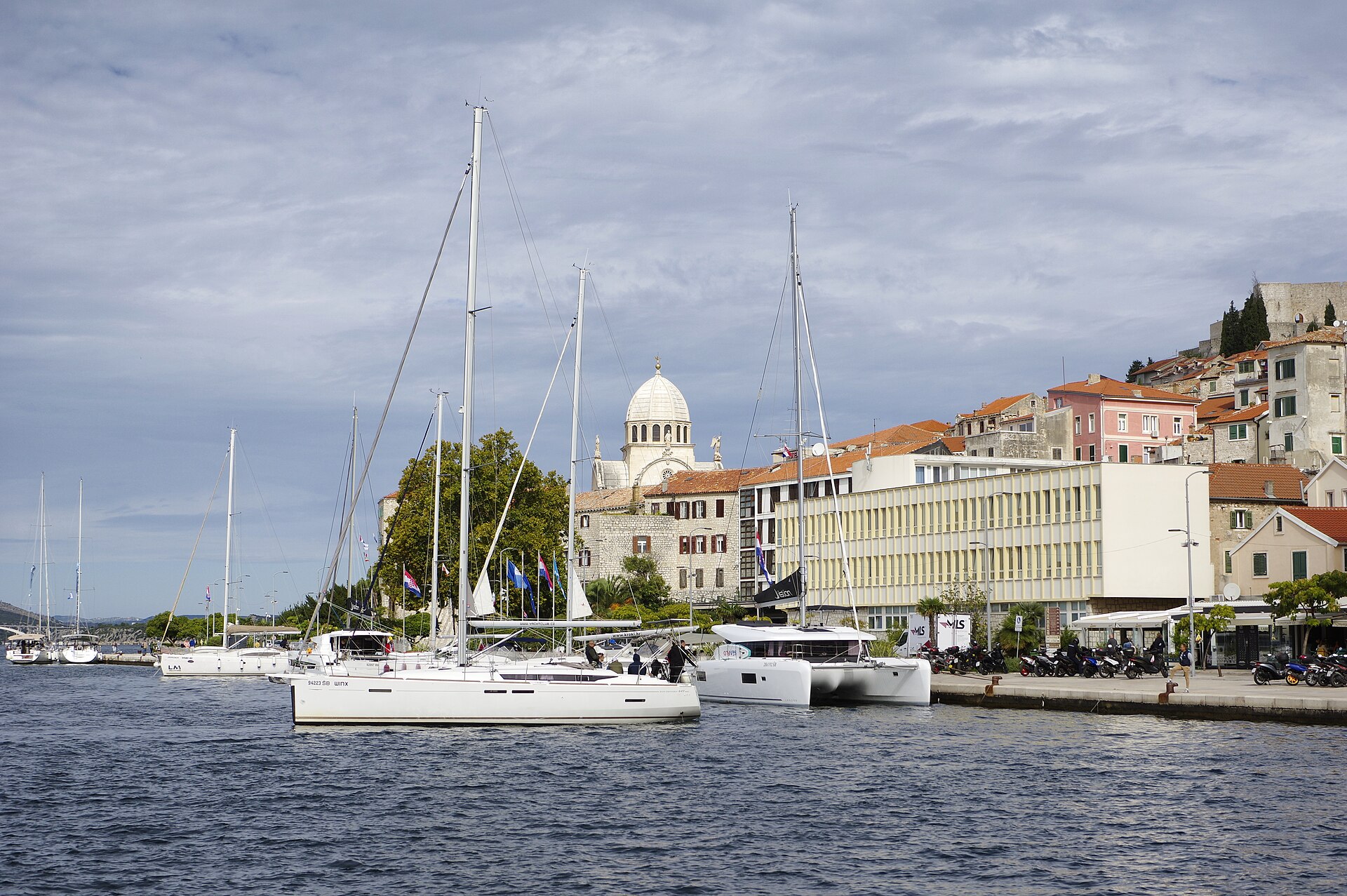
During the Second World War, Šubićevac in Šibenik was a site of executions. Today, the area, also known as ”Park strijeljanih” (Park of the Executed), is a protected memorial park. In August 2026, the historic site once again came into focus following an inspection by the authorities.
Ahead of a planned concert by the artist Marko Perković Thompson, organisers have placed temporary structures and installations directly on the protected parkland.
Authorities demand action
Following an on-site inspection, the Croatian Ministry of Culture's Directorate for the Protection of Cultural Heritage (Uprava za zaštitu kulturne baštine) has intervened.
The authority has sent an urgent demand to the City of Šibenik, requiring that all temporary objects installed by the concert organisers in the memorial park be removed immediately.
The challenges facing memorials
The incident in Šibenik highlights a wider discussion often surrounding memorial sites in the Balkans. The monuments and memorial parks built during the Yugoslav era to honour historical events and victims now sometimes find themselves caught between modern events, commercial interests and formal heritage protection.
When clashing interests collide in spaces intended for reflection, it highlights the ongoing challenges of how best to manage and respect these historic environments in the future.
Share the article
Translated from Swedish with AI assistance. Read the original.


