
The Balkans are attracting tomorrow’s doctors: how Croatia and Serbia are developing medical programmes for international students
More and more European universities offer medical degrees in English, and programmes for international students are also available in Croatia and Serbia. From venerable faculties in Belgrade to coastal campuses in Rijeka, students face a demanding academic reality—with entrance exams, high tuition fees and clinical placements where the local language also becomes an important part of their education.
The Balkans are attracting tomorrow’s doctors: how Croatia and Serbia are developing medical programmes for international students
Every year, young people from Sweden and Norway leave the Nordic region with the same goal: one day to wear a stethoscope around their necks as licensed doctors. But, as is well known, the route there is one of the narrowest bottlenecks in the Nordic education system. When school grades or the Swedish Scholastic Aptitude Test are not enough to secure one of the few places at home, attention turns abroad.
The scale of this can be measured. In the 2023/2024 academic year, 2,411 people were studying medicine abroad with Swedish student finance, according to CSN—a marginal increase on the previous year.
What can be documented, however, is the range of options. Over the past decade, Croatia and Serbia have expanded their full medical degree programmes in English, aimed at international students. The University of Rijeka, University of Zagreb, University of Split and University of Belgrade all run such programmes, making them open to Nordic students who want to look beyond their home countries’ admissions systems.
Admissions and costs: the route to English-language programmes
Studying medicine in the Balkans is far from an easy option for anyone hoping to avoid hard work. The application process is both selective and demanding. Some students get help from specialist agencies such as A Star Future Ltd or Medlink Students to navigate the bureaucratic steps, but in the end everything depends on the student’s own performance.
Unlike the Swedish system, where admissions are based almost exclusively on grade averages, Balkan universities set their own entrance exams. In Rijeka, admission is based on an overall assessment of upper-secondary school grades—with particular emphasis on biology, chemistry and physics—followed by a written exam in those three subjects. The programme admits a maximum of 50 students a year, and application rounds follow fixed exam dates during the summer and early autumn.
Another major difference is the financial aspect. Most higher education in the Nordic countries is free of charge, but studying on English-language programmes in Croatia and Serbia requires a substantial investment. Fees are generally around 12,000 euros per academic year. For Nordic students, this is in practice financed through a combination of additional-cost loans from CSN and personal or family savings. The price tag is high, but for those determined to become doctors, it is seen as an investment in the future.
A degree recognised in the Nordic countries: quality assurance and European recognition
One of the most important questions for students considering moving abroad is how their degree will be valued when it is time to return home to work. The situation differs depending on whether they choose Croatia or Serbia.
As Croatia is an EU member state, medical degrees at the University of Rijeka, University of Zagreb and University of Split fall under the EU Directive on the recognition of professional qualifications. This means that a degree from these institutions qualifies for so-called automatic recognition within the EU and EEA. When a student graduates in Croatia, the route to a Swedish medical licence through the National Board of Health and Welfare is therefore relatively straightforward and uncomplicated from a bureaucratic point of view.
Serbia is still outside the EU, and different rules apply there. A Serbian medical degree is not covered by automatic recognition; instead, the National Board of Health and Welfare assesses the education individually—a route that normally requires more documentation and may involve additional requirements before a licence is issued. The University of Belgrade and University of Novi Sad have meanwhile adapted their programmes to meet international requirements for medical education. For anyone considering Serbia, the advice is simple: check the current conditions directly with the National Board of Health and Welfare before applying, as this is the key practical consideration.
Student life in Rijeka and Belgrade: integration and clinical practice
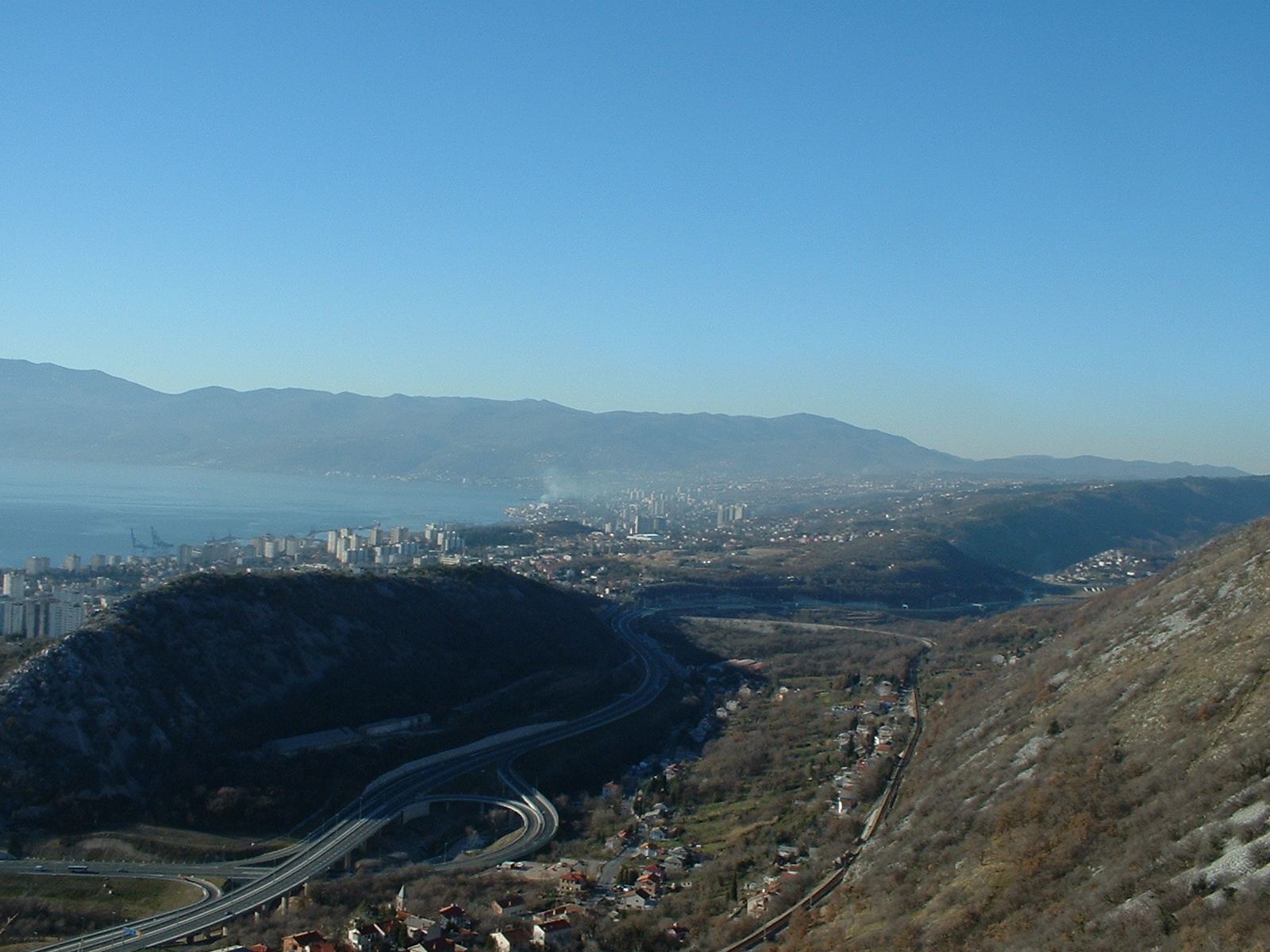
Moving to a new city in a completely different part of Europe is a major adjustment. In Rijeka, beautifully situated on the Gulf of Kvarner, students are met with a pleasant Mediterranean climate and a relaxed lifestyle. The Faculty of Medicine’s premises at Braće Branchetta 20/1 quickly become a second home. Here, theoretical lectures alternate with early hospital placements.
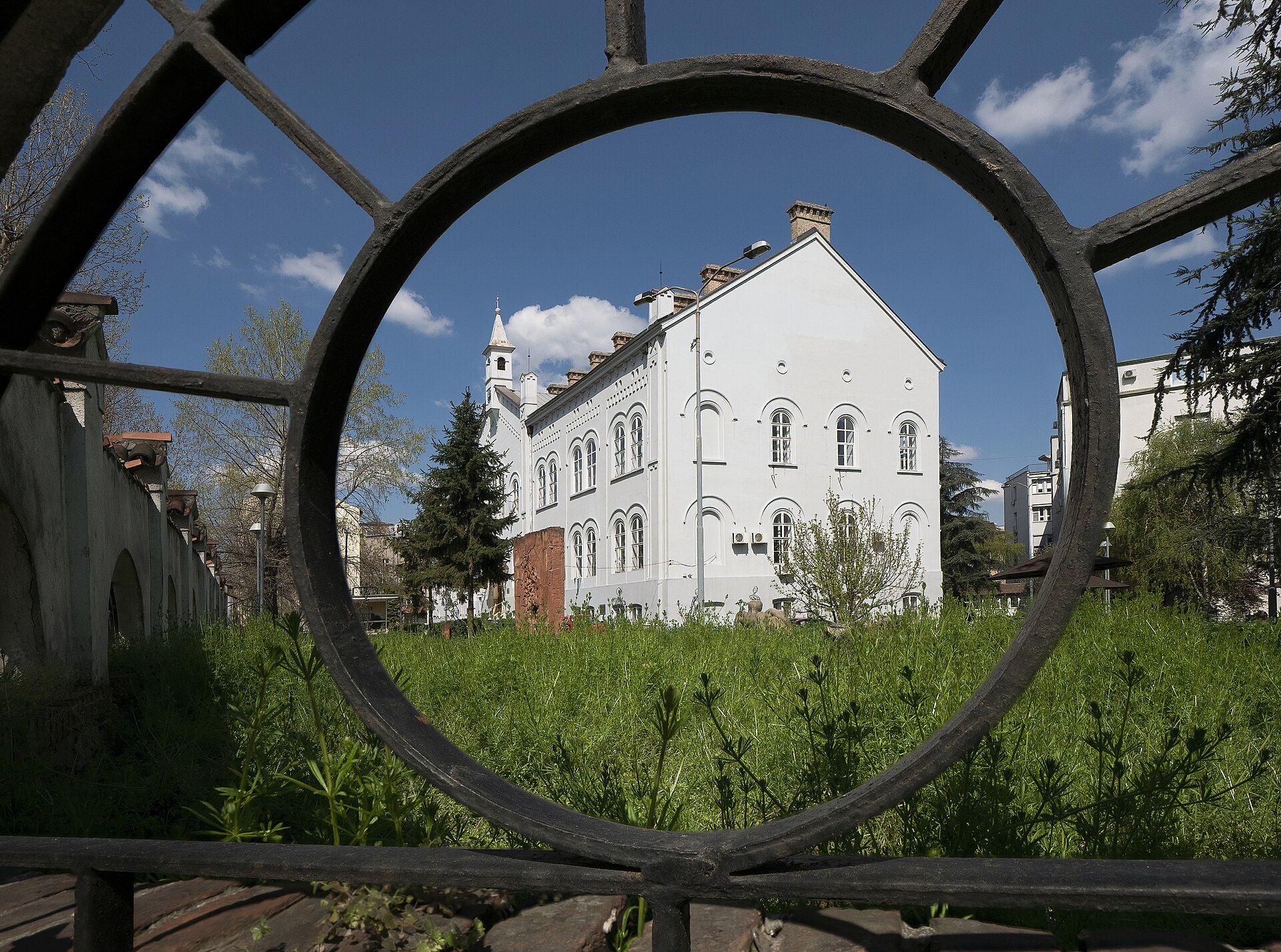
In Serbia’s capital, Belgrade, the pace is quite different. The Sava and Danube rivers meet in a dynamic urban setting, and the University of Belgrade, with its central rectorate at Studentski trg 1, offers a more traditional and hierarchical academic environment—but also a large patient pool at the city’s university hospitals.
Perhaps the biggest hurdle is not the weighty medical textbooks, but the language. Although teaching itself takes place in English, clinical rotations in the latter half of the degree require students to communicate with local patients in hospitals. Older patients in Rijeka or Belgrade rarely speak English, and being able to take a medical history in Croatian or Serbian is not just a course requirement—it is essential to providing safe care.
That is why international students take compulsory language courses during their first years. Becoming proficient enough in the local language to understand medical symptoms and reassure an anxious patient is one of the most educational—and sometimes most challenging—parts of student life.
The universities’ perspective: internationalisation as a strategy
It is not only students who benefit from the exchange. For universities, English-language programmes are part of a broader internationalisation strategy: they widen recruitment, create a more multicultural study environment and bring in tuition revenue that would otherwise not exist in systems where domestic programmes are free or heavily subsidised.
For this reason, the programmes target international students in general—from Western Europe, the Nordic countries, North America and Asia—rather than one particular market. The universities do not publish figures for the Nordic share, and prospective applicants should focus on the actual conditions rather than assuming how many compatriots are already there.
Studying medicine in Croatia or Serbia takes courage, financial resources and a great deal of determination. For Nordic students who take their places in lecture halls in Rijeka, Split, Zagreb and Belgrade, it is more than just a degree. It is an adventure that shapes them into independent, multilingual and internationally minded doctors, ready to meet the future challenges of Nordic healthcare.
Facts
FACTS: Studying medicine in Croatia and Serbia
- Course length: 6 years (360 ECTS), leading to the title Doctor of Medicine (MD).
- Language of instruction: English (with compulsory Croatian/Serbian language courses for clinical placements).
- Fee: Approx. 12,000 euros per academic year (varies between universities).
- Eligibility: Upper-secondary school leaving certificate with specific requirements in biology, chemistry and physics, and a passing result in the university’s own entrance exam.
- Context: 2,411 Swedes studied medicine abroad with student finance in 2023/2024. The most popular destinations were Latvia, Poland and Lithuania (CSN).
Sources & further reading
- studyincroatia.euMedicine - Study in Croatia
- medlinkstudents.comUniversity of Rijeka
- medhead.euThe most affordable medical universities in Europe
- medlinkstudents.comUniversity of Belgrade
Share the article
Translated from Swedish with AI assistance. Read the original.


