
The Balkan Food Revolution: From Rustic Comfort Food to Nordic Fusion Cuisine
Balkan cuisine has long been associated with generous portions, grilled meat and popular traditions. But a new wave of Balkan chefs, bakers and food creators is now sweeping across the Nordic and global restaurant scenes. By bringing traditional craftsmanship together with modern trends, they are redrawing the map of what Balkan food can be – from hip sourdough bakeries in Scandinavia to celebrated concepts in Chicago.
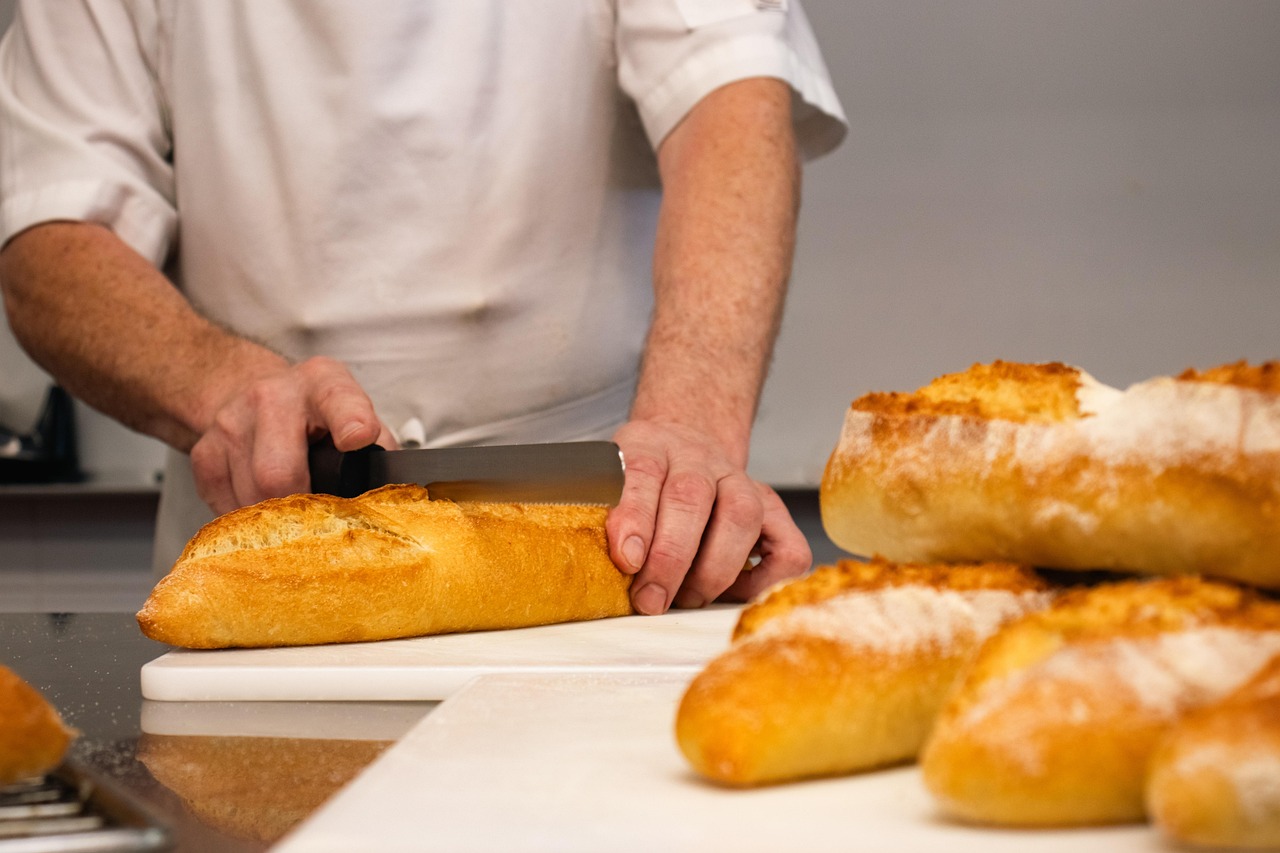
For decades, the image of food from south-eastern Europe has been fixed in the Northern European imagination. It has meant ćevapi in paper sleeves, rustic stews and ajvar in jars. But in the shadow of the Scandinavian fusion wave and the global enthusiasm for authentic food craftsmanship, something is happening. A new generation with roots in countries such as Serbia, Bosnia and Croatia is making its mark in urban kitchens. They bring with them centuries-old techniques but refuse to be constrained by nostalgia. Instead, they are creating a modern, dynamic cuisine that clashes – in the best possible way – with Nordic minimalism.
This culinary renaissance is not about abandoning the heritage, but about refining it. It is about understanding that the precision required to stretch out paper-thin pita dough is fully comparable to the most advanced French pastry techniques, and that the intense, fermented flavours of the Balkans have a natural place on modern Nordic menus.
The global window: Balkan Bakery and the new generation
The global reach of this development is clearest when you look towards traditional diaspora strongholds such as Chicago. In the western suburb of La Grange, family-owned Balkan Bakery has been showing the way since 2007. When Marija Pejković, a fourth-generation Serbian-American born in Paraćin, took over the business in 2020 from her mother-in-law Olja Igić, it marked the beginning of a modernisation that reflects precisely the development we are now seeing in Scandinavia.
Pejković realised that the younger generation wanted more than traditional pastries. By adding a carefully selected range of Balkan wines, artisanal gelato and modern delicacies, she transformed the classic neighbourhood bakery into a gastronomic destination. It is about satisfying older customers’ nostalgia while also offering a modern, accessible and visually appealing experience for a new, curious audience.
A clear example of this fusion of tradition and modern street food is the bakery’s much-praised Balkan Melt. By taking the traditional, spicy kulen sausage – a delicacy with deep roots in the Pannonian plains – and melting it into a gourmet grilled cheese under the name Spicy Kulen Grilled Cheese Melt, they show how key Balkan ingredients can speak a universal, modern culinary language. This is precisely the kind of playfulness that is now finding its way onto the Nordic restaurant scene too.
The meeting with the Nordic sourdough trend
In Stockholm, Copenhagen and Oslo, Balkan influences are increasingly visible, particularly in the world of baking. The Scandinavian sourdough phenomenon, long dominated by austere rye loaves and cardamom buns, has gained a colourful new addition. Young bakers with roots in the Balkans are experimenting with combining Scandinavian sourdough culture with traditional Balkan filo pastry-making.
Baking a perfect burek or pita requires an almost meditative feel for the dough’s elasticity – a skill often passed down through generations. When these techniques meet Nordic ingredients such as Västerbottensost, chanterelles or locally grown spinach, something entirely new emerges. It is a quiet revolution taking place in bakery open kitchens, where the traditional round Balkan baking pan sits alongside minimalist Scandinavian wooden surfaces.
This meeting is also about textures. The crisp, rich and salty exterior of a Balkan pastry contrasts beautifully with the tangy, chewy texture of a Nordic sourdough loaf. For Nordic consumers, who have learnt to appreciate craftsmanship and provenance, the Balkan baking tradition is a natural extension of their interest in food.
The science and cultural heritage behind the flavours
But this development is not just about trends on the plate; it also has a deeper academic and cultural foundation. Researchers and gastronomes at the University of Novi Sad are actively working to document and preserve Balkan culinary heritage. By studying traditional cooking methods, they bring scholarly weight that raises the cuisine’s international standing.
This documentation is essential to understanding the origins of the flavours and presenting them to a discerning Nordic audience that values authenticity and history. When chefs at Nordic fine-dining restaurants introduce dishes inspired by Balkan cultural heritage, they often do so with deep respect for these historical roots. It is about understanding how smoking, pickling and slow cooking have been used historically, and how these techniques can be applied to modern Nordic ingredients.
From guest appearances to permanent concepts
In recent years, we have seen a wave of temporary guest appearances and pop-ups in the Nordic capitals, with Balkan flavours at the centre. Chefs trained in the strict kitchens of Nordic Michelin-starred restaurants are increasingly choosing to return to their own roots to find their unique voice. The result is often explosive – a combination of Nordic precision and Balkan generosity.
When Balkan food enters fine dining, it is not about removing its rustic character, but presenting it with a new elegance. It is about bringing smoked paprika, salty kajmak and grilled meat together with pickled Nordic berries, wild herbs and modern serving techniques. In this way, a new bridge is created between the Nordic countries and the Balkans – a bridge built on fire, craftsmanship and a shared love of honest flavours.
Facts
THREE KEY BALKAN INGREDIENTS TO KNOW
- Kulen: A hard, lightly smoked and spicy pork sausage, flavoured with generous amounts of red paprika and garlic. Particularly well known in the regions of Slavonia and Vojvodina.
- Kajmak: A creamy, slightly tangy dairy product that resembles a blend of cream cheese, clotted cream and butter. It is made by simmering milk and collecting the rich layer that forms on the surface.
- Ajvar: The iconic Balkan pepper spread. Authentic, artisanal ajvar is made from slowly roasted red horn peppers (and sometimes aubergine), which are peeled, ground and cooked while being stirred for several hours.
Sources & further reading
- balkan-bakery.comO NAMA | Pekara Balkan nastoji da uzdigne sve životne ...
- chicagodesavanja.usBalkan Bakery u Čikagu: Autentični ukusi Balkana daleko ...
- researchgate.net(PDF) To seek one's fortune: Labour migrants from the ...
- chicagodesavanja.usBalkan Bakery dobila novo lice – evropski duh, balkanska ...
Share the article
Translated from Swedish with AI assistance. Read the original.


