
The art of escaping the trap: How Plovdiv’s creative district Kapana found a new soul
Once an abandoned craft district filled with car parks and ruins. Today, a colourful hub of galleries, microbreweries and artisan coffee. Step into Kapana – the historic district in the Bulgarian city of Plovdiv that managed the feat of transforming itself without losing its history.
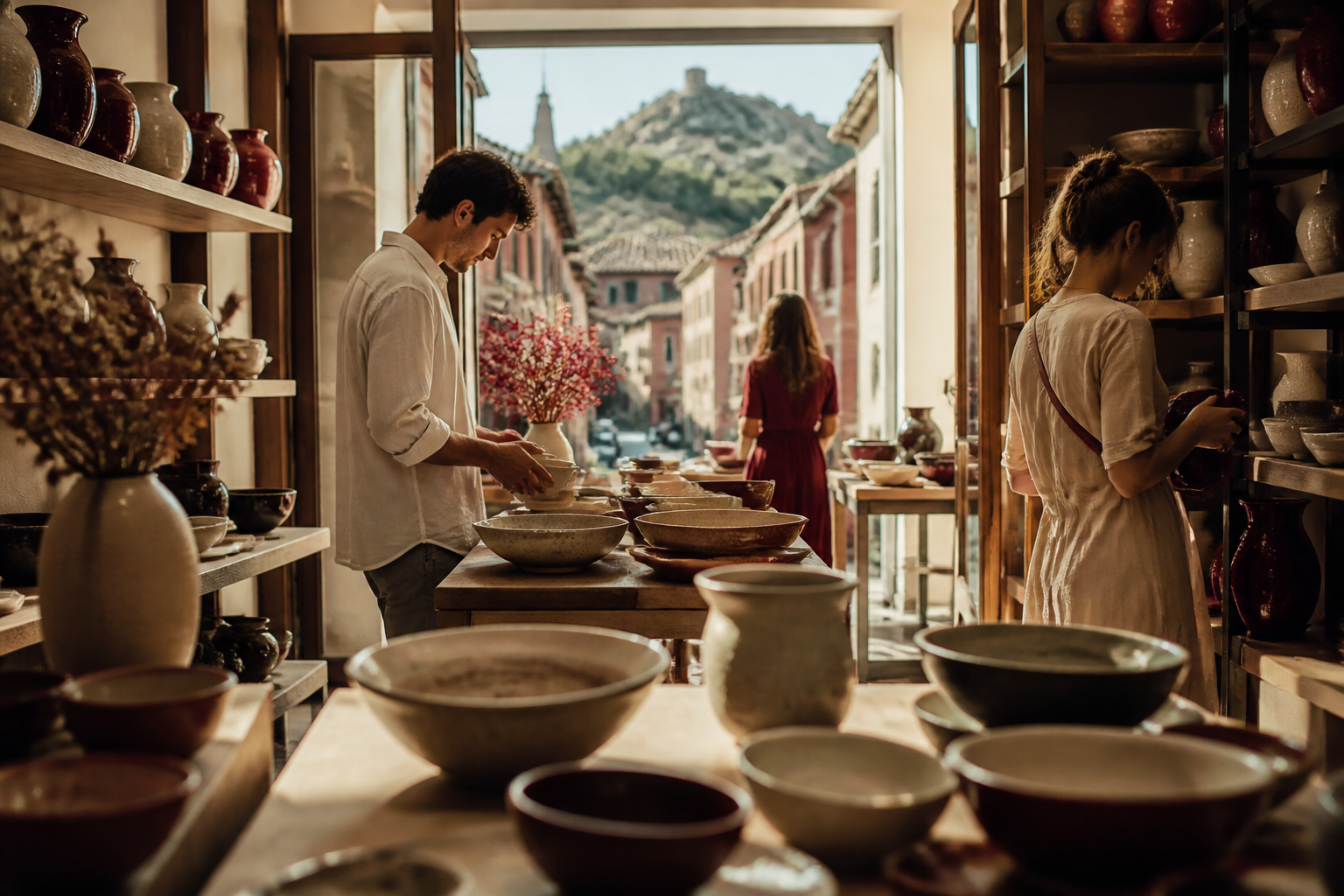
They say that anyone who enters Kapana once risks never wanting to leave. The name literally means “The Trap” in Bulgarian, a fitting description of an area whose 500-year-old street pattern of narrow, winding lanes can easily disorient the uninitiated visitor. But while the name historically referred to the labyrinthine streets where merchants and buyers met, today it has taken on an entirely new meaning. These days, it is the atmosphere, the smell of freshly ground coffee and the colourful murals that keep visitors there.
Plovdiv, Bulgaria’s second-largest city, is known for its contrasts. Here, the ruins of ancient Philippopolis, with its magnificent Roman theatre, sit alongside the architecture of the Bulgarian National Revival in the Old Town on Nebet Tepe. But it is in Kapana, situated right at the foot of these historic hills, that the city’s modern heart beats strongest. Just over a decade ago, this was a forgotten district marked by decay and empty premises. Today, it is one of the Balkans’ most vibrant examples of how creative urban development can save a historic cultural heritage.
From decay to pedestrian paradise: The urban planning behind the transformation
During the heyday of the Ottoman Empire in the 17th and 18th centuries, Kapana was Plovdiv’s bustling craft centre. There were dedicated streets for tailors, goldsmiths, leatherworkers and blacksmiths. But during the 20th century, as Bulgaria industrialised and underwent political upheaval, the hammers and looms fell silent. The neighbourhood lost its purpose. Many of its beautiful stone houses fell into disrepair, and its lanes gradually turned into chaotic car parks and informal storage spaces for the city’s commercial centre.
The turning point came in the early 2010s. When Plovdiv launched its bid to become European Capital of Culture 2019, Kapana was identified as an excellent asset for showcasing a modern and dynamic side of the city. The municipality decided to close the district to traffic and begin a major overhaul of its infrastructure. The aim was not to build anew, but to reveal its historic soul. The cobblestones were uncovered, run-down façades were renovated and the lighting was replaced to create a safe and welcoming environment.
International partnerships and innovative projects such as the EU-supported HUB-IN initiative have been an important part of this transformation. Through such initiatives, the city has managed to attract young entrepreneurs and creatives by offering support to help them set up businesses in the old craft premises. The condition was simple: the new businesses had to contribute to the district’s creative, artisanal and cultural identity.
The new artisans: Design shops, studios and galleries
Today, a new generation of artisans has taken the place of the old tailors and blacksmiths. Independent design shops, studios and galleries line the narrow streets, side by side. They sell handmade ceramics, locally produced leather goods, organic skincare products and contemporary Bulgarian design that challenges the traditional aesthetic found in the nearby Regional Ethnographic Museum in the Old Town.
Perhaps the most distinctive feature of Kapana’s visual identity today is its spectacular street art. The area has served as a living canvas for both local and international artists. Bulgarian artist Stern (Dimitar Mehandzhiiski) has given several lanes a completely new character with his colourful, often surreal works. Nationally acclaimed artists such as Nasimo, known for his monumental portraits combining classical painting with modern graffiti, and British artist Rocket01 have also left their mark on the district’s façades. Art is not a commercial addition but an integral part of Kapana’s identity – an open-air gallery that is constantly changing.
Café culture and social life: Meeting places in “The Trap”
As dusk falls over Plovdiv, the pace in Kapana changes. The quiet craft streets fill with voices, laughter and the clink of glasses. The district has become the city’s leading meeting place for food, drink and socialising. Here, traditional Bulgarian tavern culture has been joined by microbreweries, speciality coffee bars and sophisticated wine bars.
An excellent example of this new wave is Roots Hotel and Wine Bar, a place that elegantly combines modern accommodation with a deep interest in the region’s rich winemaking tradition. Visitors can sample excellent wines from the Thracian Valley, one of the world’s oldest wine-producing regions. The contrast with the classic Rahat Tepe is striking: a traditional beer garden on top of the nearby hill of Nebet Tepe, where people are more likely to drink local lager and eat rustic grilled food while enjoying views over the city. In Kapana, the offerings are more curated, urban and experimental.
Much of the social life takes place outdoors. During the warm months, which in Plovdiv last from early spring until late autumn, the streets fill with small tables and chairs. The atmosphere is intimate and continental, with the boundaries between the different establishments blurring and the street becoming a shared living room.
A vibrant cultural centre: Festivals and street events
Kapana is not just a beautiful backdrop; it is a living cultural platform. The district regularly hosts events that attract visitors from across the Balkans and the rest of Europe. The best known is Kapana fest, a recurring festival that turns the whole area into a bubbling cauldron of music, art, craft markets and food stalls. During the festival, the streets fill with temporary stages where local bands and international artists perform alongside traditional craftspeople.
Another prominent feature of the district’s cultural life is 6Fest, a street art and performing arts festival. The air and cobbled streets fill with acrobats, fire performers, street theatre and living statues. It is an event that effortlessly uses Kapana’s unique architecture as its set, and invites the audience to become part of the performance.
Kapana’s transformation from a rundown craft district into one of south-eastern Europe’s most dynamic creative hubs is an inspiring success story. It shows that urban development does not have to mean erasing the past to make way for the new. By preserving the architecture, street pattern and historic identity – while filling them with young, creative energy – Plovdiv has created a place that feels both deeply historic and entirely contemporary. For Nordic visitors looking to experience the Balkans beyond the usual tourist routes, Kapana offers a perfect blend of urban energy and vibrant cultural life. It is a trap you will be more than happy to fall into.
Facts
DISCOVER PLOVDIV AND KAPANA
- Getting there: Plovdiv is around 15 Swedish miles south-east of Bulgaria’s capital, Sofia. Frequent bus and train services take around two hours.
- Stay: Roots Hotel and Wine Bar offers modern, individual accommodation close to the district, with a strong focus on regional wines.
- Food & drink: Kapana is full of small cafés, microbreweries and wine bars. For a traditional Bulgarian meal with panoramic views over the city, visit the Rahat Tepe beer garden on Nebet Tepe hill.
- Nearby culture: Don’t miss the remarkably well-preserved Roman theatre (Ancient theater of Philippopolis) and the beautiful National Revival houses in the Old Town, just a short walk from Kapana.
Sources & further reading
- Visit PlovdivKapana District Plovdiv
- 4cities.euWhat exactly happened in Plovdiv in 2019? Reflections on a European ...
- 2suitcasesfor2years.comwandered through the Kapana Creative District.
- visitkapana.bgКАПАНА - КВАРТАЛ НА ТВОРЧЕСКИТЕ ИНДУСТРИИ
Share the article
Translated from Swedish with AI assistance. Read the original.


