
The Adriatic Ferry Guide: How to plan your journey between Split, Dubrovnik and the islands
Island hopping in Croatia is one of the Mediterranean's most classic summer journeys. But the Adriatic archipelago demands proper planning. From car queues in Split harbour to fast catamarans to Hvar and Korčula – here is the complete guide to navigating the routes like a local.
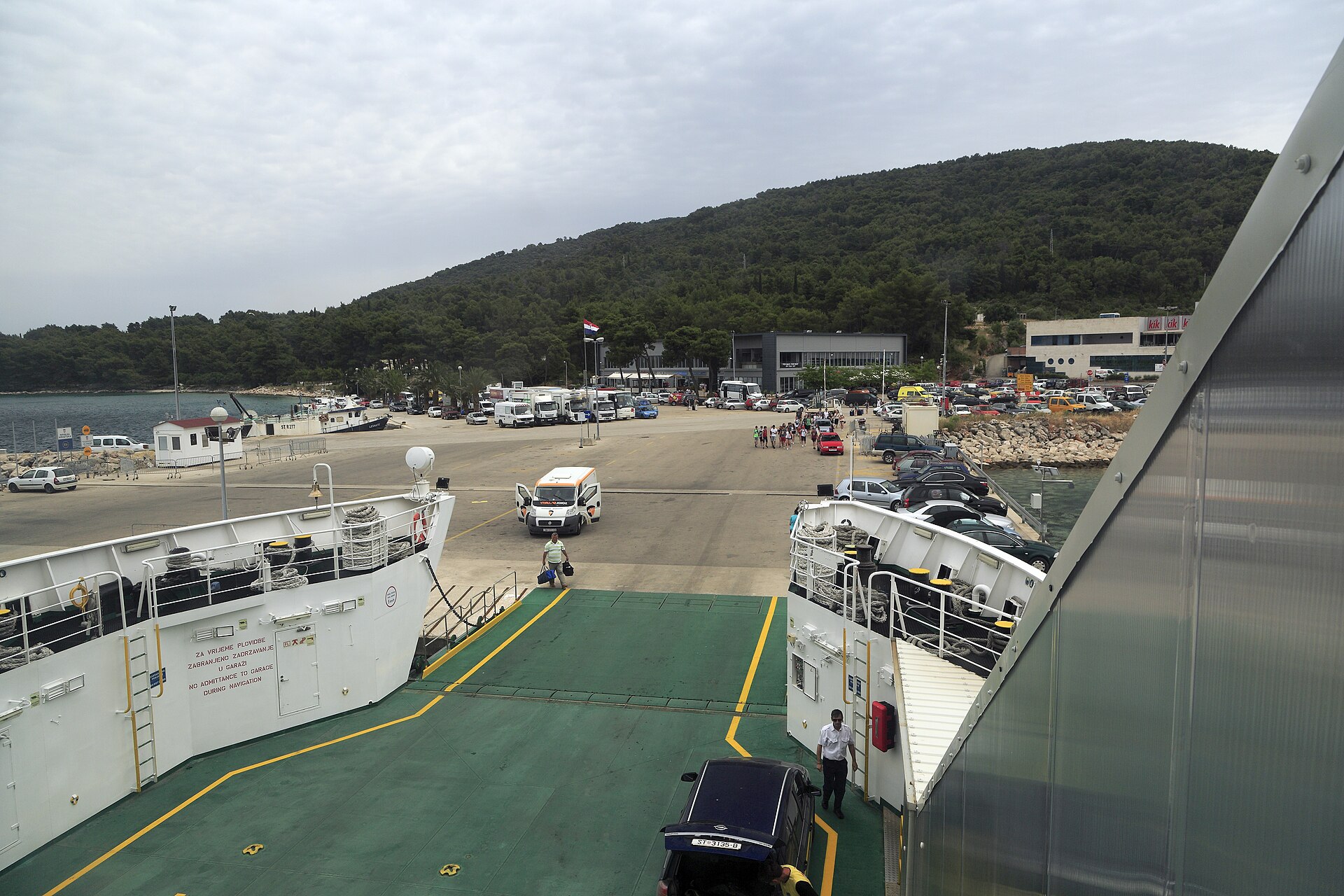
The scent of diesel, saltwater and strong espresso drifts across Split's harbour, Gat Svetog Duje, on an early July morning. The distinctive blue and white vessels of the state-owned shipping company Jadrolinija line up to swallow cars, lorries and pedestrians, while sleek, fast catamarans from Kapetan Luka (Krilo) and TP Line glide silently to the quay. For those visiting Croatia's coast, the ferries are not merely a means of transport; they are the very arteries connecting the mainland with islands like Brač, Hvar, Korčula and the Pelješac peninsula.
Planning a trip along this stretch of coast can, however, feel like a puzzle. The differences between vessel types, booking rules and harbour logistics will determine whether your journey becomes a harmonious voyage across glittering waters or a stressful wait in a hot, asphalt car park.
Trajekt or brzobrod? Choosing the right vessel type
The first and most important decision concerns your mode of transport: are you travelling by car or as a foot passenger? This entirely dictates the type of vessel you can use.
A trajekt is a traditional car ferry. These are large, stable vessels with open sun decks, cafés and plenty of space. They are slower but form the backbone of the Adriatic infrastructure. If you have a rental car, these are the only ones you should look for.
A brzobrod (often simply called a catamaran) is a pure passenger boat. These modern fast ferries are fully enclosed, air-conditioned and equipped with comfortable aircraft-style seats. They travel at high speeds and are by far the most convenient way to move between the most popular islands if you are travelling with luggage only.
The timetable puzzle: Low, shoulder and high season
Croatia's ferry traffic is strictly seasonal. The shipping companies, of which the state-owned Jadrolinija is the largest alongside private operators Kapetan Luka (Krilo) and TP Line, divide the year into three distinct seasons.
During winter and early spring (low season), services are few and primarily tailored for islanders commuting to schools and jobs on the mainland. In May, the shoulder season begins, bringing increased frequencies as the dedicated tourist routes start running. High season (typically from mid-June to mid-September) means maximum capacity, with departures running from early morning until late at night.
Ahead of the 2025 travel season, Kapetan Luka (Krilo) has already published its finalized timetables, making long-term planning much easier. Reading the timetables requires close attention, however: some routes only run on specific days of the week during the shoulder season, before transitioning to daily departures in July and August.
Tickets, car queues and harbour logistics
One of the most common mistakes among foreign visitors concerns how tickets work on the car ferries.
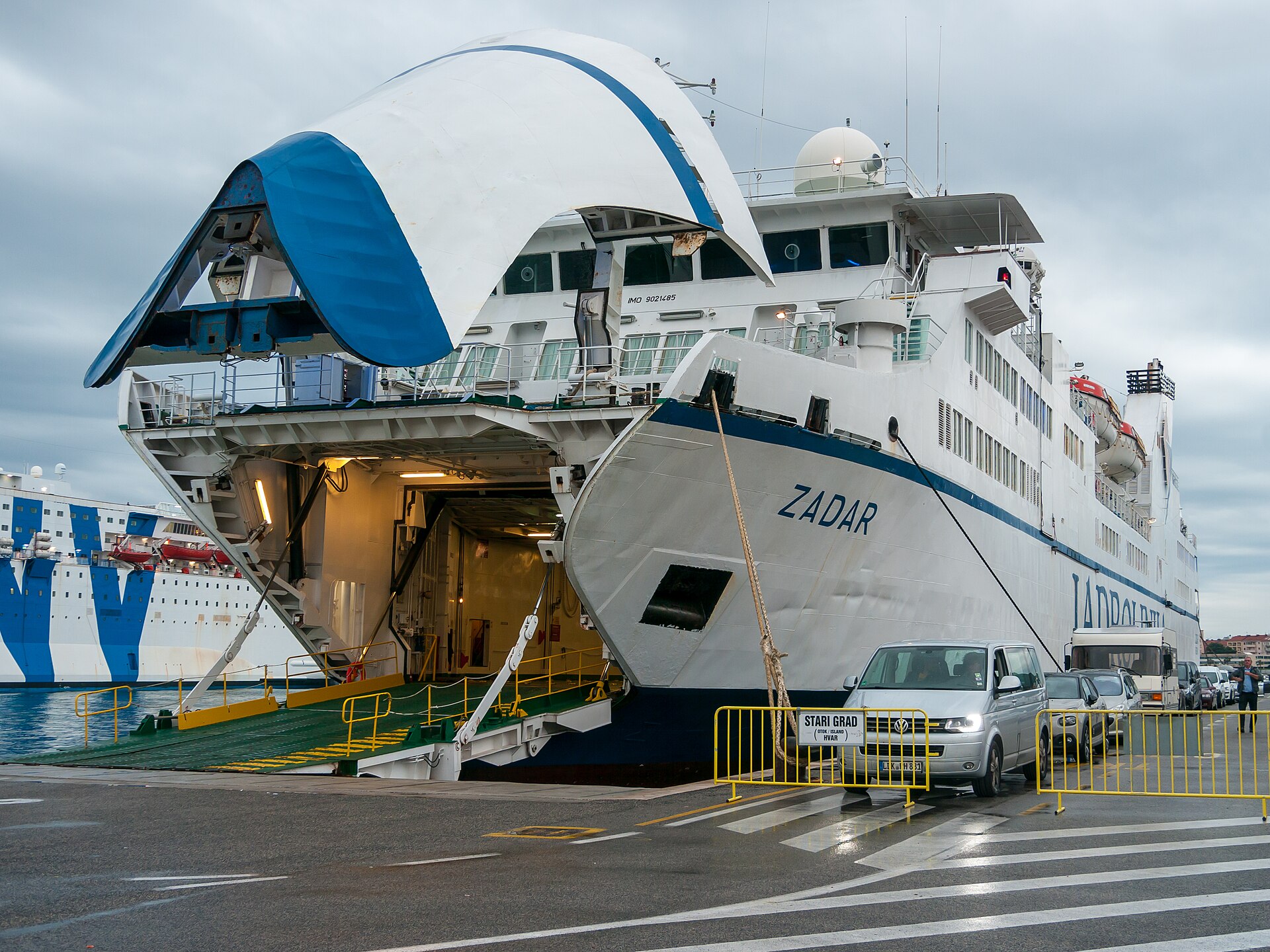
When you buy an online ticket for a car ferry on local routes (such as Split–Supetar on Brač or Split–Stari Grad on Hvar), you are purchasing a ticket valid for a specific day, not a specific departure. This means you do not have a guaranteed spot on the vessel you have targeted. The principle of "first come, first served" is strictly enforced at the harbour.
During the high season in Split, this means you should park your car in the correct queue lane at the port at least 1.5 to 2 hours before the scheduled departure. Once the ferry is full, the ramp is closed, and you simply have to wait for the next one.
For catamarans (passenger boats), it works differently. There, you book a ticket for a specific departure at a set time. For these, arriving at the harbour 30 minutes before departure is sufficient to board.
Island hopping at speed: Catamaran routes between Split, the islands and Dubrovnik
If you are travelling without a car, catamarans are the key to a successful island-hopping holiday. The three major operators run routes that make it possible to travel all the way between Split and Dubrovnik, stopping at the most famous islands along the way.
The most popular route connects the two medieval cities via the archipelago. A typical journey begins in Split and stops at Milna or Bol on Brač, followed by Hvar Town, then Korčula Town, and finally Pomena on the island of Mljet before docking in Dubrovnik’s Gruž harbour. This route is operated by both Kapetan Luka and TP Line, and during high season you can easily use it for day trips or to change islands every other day.
Travelling by catamaran is very comfortable, but bear in mind that these boats are more sensitive to rough weather than the large car ferries. In strong southerly winds (jugo) or northerly winds (bura), catamaran services can be cancelled at short notice. Therefore, always allow a buffer of one day in your travel itinerary, especially if you have a flight to catch from Split or Dubrovnik on your journey home.
Facts
Key routes & travel times (catamaran)
- Split – Hvar Town: Approx. 1 hour
- Split – Bol (Brač): Approx. 1 hour
- Split – Korčula: Approx. 2.5 hours
- Hvar – Korčula: Approx. 1 hour 15 minutes
- Korčula – Dubrovnik: Approx. 2 hours
- Split – Dubrovnik (direct route via islands): Approx. 4.5 to 5 hours
Sources & further reading
- ferryhopper.comKapetan Luka - Krilo Ferries 2025 in Croatia - Ferryhopper
- putovnica.netTrajekt Split - Stari Grad (Hvar) - vozni red i cijene 2026. ...
- ferryhopper.comSplit – Hvar: trajekt, karte, rasporedi
- croatiaferries.comFerry from Split to Stari Grad (Hvar) - Croatia Ferries
Share the article
Translated from Swedish with AI assistance. Read the original.


