
Sick this summer? How healthcare works in Croatia and Bosnia
Packing the right documents before your trip can make a huge difference if an accident occurs. Depending on whether you cross the border into the EU member state of Croatia or neighbouring Bosnia and Herzegovina, completely different rules apply to healthcare.
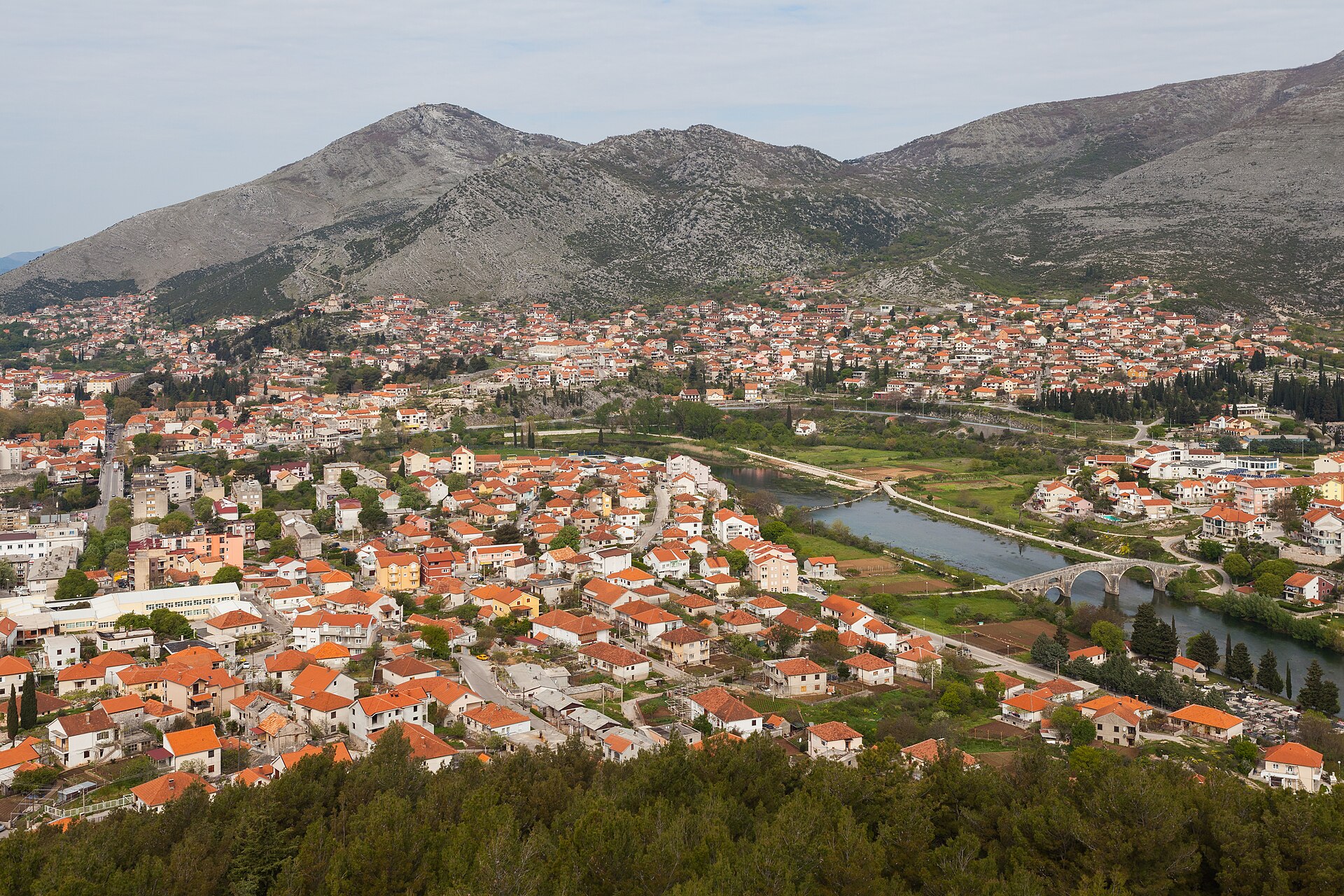
It is easy to dream of the crystal-clear waters of the Adriatic Sea or the lush mountains of the interior. But even the best-planned holiday can take an unexpected turn. A sprained ankle on the cobblestones of Split or a sudden fever in Sarajevo requires prompt attention. Understanding how the healthcare systems work in the region before you travel is a good way to avoid unnecessary stress and unexpected expenses.
Croatia – the blue EU card applies here
As Croatia is a member of the EU, Swedish citizens are entitled to necessary care on the same financial terms as the country's own residents. This means you need to carry the physical European Health Insurance Card (EHIC / EU card), which you can order free of charge from Försäkringskassan (the Swedish Social Insurance Agency) well in advance of your departure.
When seeking medical attention in Croatia, you should primarily contact healthcare providers affiliated with the public healthcare system. If you present your card, you will generally only pay the local patient co-payment, while the rest of the cost is covered by the public system.
Keep in mind, however, that private clinics, which are often located near large hotel complexes or tourist resorts, do not usually accept the EU card. There, you will have to pay the full cost yourself.
Bosnia and Herzegovina – travel insurance is your lifeline
When you cross the border into Bosnia and Herzegovina, you leave the EU's cooperative framework for healthcare. Here, the blue EU card has no value. If you need to see a doctor or visit a hospital in the country, you are treated as a foreign patient and are generally expected to pay for the treatment yourself.
For travel to Bosnia and Herzegovina, comprehensive private travel insurance is essential. Basic travel coverage is often included in your standard home insurance (hemförsäkring), but it is crucial to check the terms and period of validity before you go.
Always keep all receipts, medical certificates, and reports so you can claim reimbursement from your insurance company afterwards. In the event of more serious incidents requiring hospitalisation or medical repatriation, you should contact your insurance provider's emergency assistance centre directly.
Pharmacies and medication
Both in Croatia and Bosnia and Herzegovina, pharmacies are well-stocked, and the staff often speak good English, especially in the cities and larger tourist resorts. However, many prescription medications require local prescriptions, and there is no guarantee that a Swedish prescription will be accepted without issue outside the EU.
If you depend on regular medication, you should therefore make sure to pack enough for the entire stay and bring a medical certificate in English describing your treatments.
Share the article
Translated from Swedish with AI assistance. Read the original.


