
Liquid Gold from Istria: How Croatian Olive Oil Conquered the World
Over the past decade, Istria has established itself as one of the world’s very finest olive oil regions. Focusing on local varieties such as istarska bjelica and buža, the peninsula’s family producers have created a liquid revolution — one that has now found its way into Nordic kitchens too.
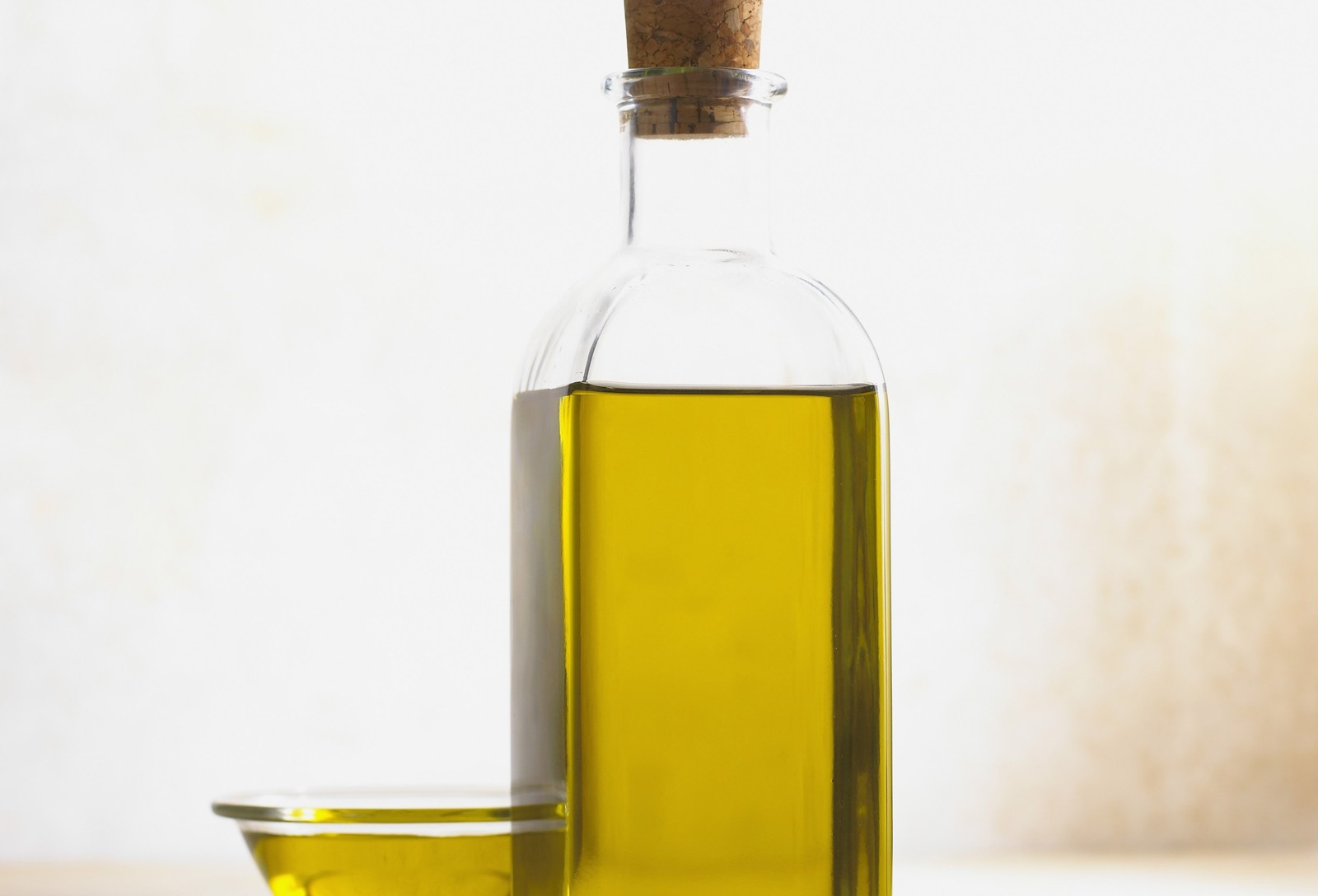
On the island of Veliki Brijun, just off the Istrian coast, stands a gnarled, wind-battered witness to history: an olive tree believed to be more than 1,600 years old. Despite its venerable age, and having survived the rise and fall of empires, it still produces around seven litres of olive oil every year. But historical curiosities are not what have drawn the attention of the international food world to the Croatian peninsula. It is what is happening in modern presses today.
Istria is no longer a well-kept secret for those in the know. The respected Italian olive oil guide Flos Olei, the olive oil world’s equivalent of the Michelin Guide, named Istria the world’s best olive oil region every year between 2016 and 2023. The fact that a relatively small peninsula in the northern Adriatic can compete with classic giants in Tuscany, Andalusia and the Peloponnese comes down to a deliberate strategy: prioritising exceptional quality over quantity.
The Istrian formula: early harvest and uncompromising purity
The Istrian olive oil revolution really gathered pace during the 1990s. Until then, much of the production was for household use, with olives often harvested late and left in salt water to soften their bitter taste — a method that erases the oil’s finer aromas. The new generation of producers realised that the secret to world-class oil lies in doing the opposite.
By harvesting the olives early in autumn, while they are still green and full of chlorophyll and antioxidants, producers get significantly less oil per kilo of fruit pressed. But what is lost in volume is gained in character. Today, the olives are transported straight from the fields to state-of-the-art, temperature-controlled presses within just a few hours. The result is oils with an intensely green colour, aromas of freshly cut grass and a distinctive, peppery finish.
Character in the glass: the unique local varieties
While international varieties such as leccino and pendolino are widely grown, it is the native Istrian varieties that give the region its unique identity.
Istarska bjelica (the Istrian white) is the region’s backbone when it comes to power and intensity. The oil is marked by pronounced bitterness and a peppery finish that lingers in the throat. It is extremely rich in polyphenols — the natural antioxidants that protect the oil from oxidation and give it its health benefits. Its aromas include green almonds, artichoke and tomato leaves.
Buža is the opposite: an elegant, fruity and versatile variety. As a monovarietal (an oil pressed from a single variety), it often carries aromas of green apples, aromatic herbs and fresh walnuts. Its pepperiness is balanced and subtle, making it a perfect introduction for anyone unfamiliar with more robust olive oils.
From sea breezes to hilltop villages: the producers leading the way
Along the Istrian olive oil routes, which run through areas such as Buje, Brtonigla and Vodnjan, are family-owned farms that now belong to the world’s absolute elite.
In the small village of Zambratija, right by the sea in northern Istria, is Mate. The business was founded by Mate Vekić, who learned the craft in Tuscany before planting his own groves back home in Istria during the 1990s. Today, the estate is run by his daughter Aleksandra Vekić. Mate’s oils are characterised by a subtle, almost floral freshness and a slight salinity that speaks to the groves’ proximity to the Adriatic Sea.
Further inland, in the dramatically situated hilltop village of Ipši near Oprtalj, we find the Ipša family. Klaudio Ipša and his son Ivan were pioneers in the region and among the first to win international awards. Their monovarietal oil made from the frantoio variety is legendary, with deep notes of wild mint and artichoke.
In the south, around the historic town of Vodnjan, brothers Sandi and Tedi Chiavalon are at work. Their flagship oil, Ex Albis, is a balanced blend of several local varieties that has become a modern classic in fine-dining restaurants across Europe. In the same area, farms such as San Antonio and Valencano produce high-quality organic oils.
The region’s breadth is striking. From small-scale artisans such as Boris Galić and his B10 in Biloslavi, or Mili Kus with the Oliva Lucia brand in Buje, to larger quality producers such as Oio Vivo in Fažana and Oleum Viride Belić in Rabac — they all share the same uncompromising philosophy.
Istrian gold in Nordic kitchens
Using high-quality Istrian olive oil is not about frying food. It should be treated as a seasoning, a final touch that lifts a whole dish. In recent years, this philosophy has gained ground in the Nordic countries, where chefs and discerning home cooks have discovered how the oils’ intensity can create exciting contrasts with the clean, often mild flavours of Nordic ingredients.
Scandinavian cuisine often relies on a balance of sweetness, gentle acidity and natural flavours. Here, Istrian olive oil acts as the perfect bridge between flavours.
A powerful istarska bjelica is a revelation with fatty Nordic fish. Drizzling an intensely green and peppery oil over grilled mackerel, scorched salmon or oven-baked turbot cuts through the fish’s richness in a way reminiscent of lemon juice, but with a deeper, more complex dimension of bitterness and grassiness.
The more elegant oils made from buža, or blends from producers such as Mate and Ipša, work wonders with Scandinavian seafood. The natural sweetness of fresh prawns, langoustines and scallops is beautifully contrasted by a fruity olive oil with notes of green apples and fresh herbs. Even typically Nordic root vegetables — such as oven-baked parsnip, beetroot or Jerusalem artichoke — are lifted when their earthy sweetness meets the green freshness of a high-quality Istrian oil.
Setting a bottle of Istrian olive oil beside freshly baked sourdough toast with chanterelles, or drizzling it over a creamy Scanian burrata, is a way to build a direct bridge between Adriatic passion and Nordic respect for ingredients. It is a culinary journey that shows the world’s best olive oil does not belong only in the Mediterranean.
Facts
KEY ISTRIAN VARIETIES
- Istarska bjelica: The region’s most distinctive native variety. Produces robust, intensely green oils with pronounced bitterness and marked pepperiness. Extremely high in antioxidants.
- Buža: The most widespread local variety. Produces elegant, fruity oils with aromas of green apples, freshly cut grass and herbs.
- Carbonazza (crnica): A traditional variety that produces rounded, harmonious oils with more restrained bitterness.
- Rosignola: Produces oils with a very intense, fruity aroma and a spicy, peppery finish.
Sources & further reading
- virtuoso.comThe Best Olive Oil in the World Comes from Istria
- tasteatlas.com89 Best Olive Oils in Croatia
- tasteatlas.com51 Best Olive Oils in Istria
- istraecoxperience.comVALENCANO d.o.o. | Eko proizvođači Istra
Share the article
Translated from Swedish with AI assistance. Read the original.


