
Lake Ohrid: Where Europe’s oldest history has been preserved beneath the surface
On the border between North Macedonia and Albania lies one of Europe’s most remarkable natural areas. Lake Ohrid is not only one of the world’s oldest inland lakes, but also a biological and cultural archive where species millions of years old live alongside traces of early human settlements.
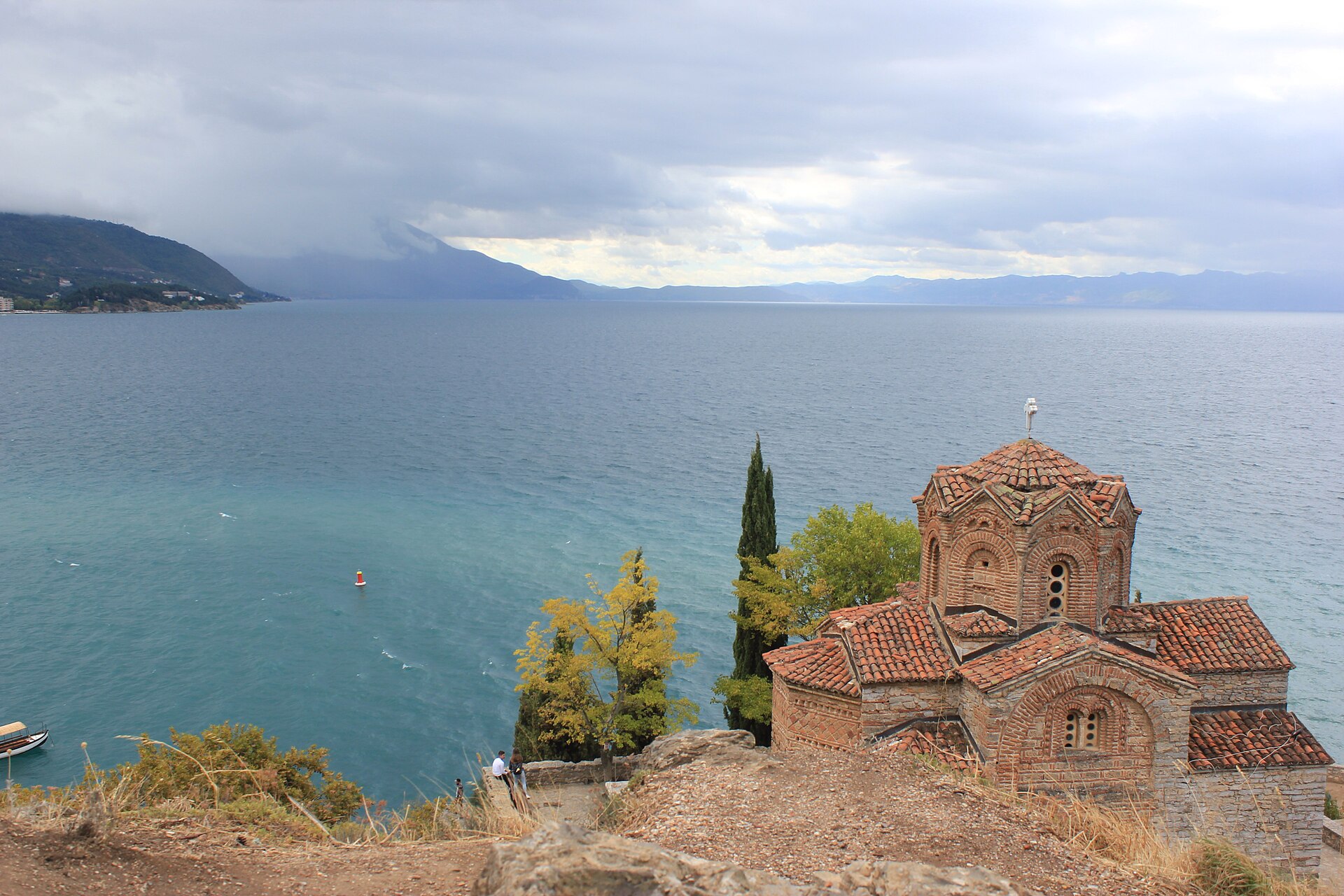
While most of Europe’s inland lakes formed from melting glaciers after the last ice age, Lake Ohrid had already existed for millions of years. The lake’s exceptional age has transformed its deep waters into a biological time capsule. Here, an ecosystem bears witness to a bygone geological era.
It is this rare combination of unique natural features and a thousand-year human presence that has given the entire Ohrid region its status as a combined natural and cultural World Heritage Site with UNESCO.
Unique species from the Tertiary period
Lake Ohrid serves as a last refuge for a wide range of endemic plant and animal species that occur naturally nowhere else in the world. Many of the freshwater organisms originated in the Tertiary period, a geological era dating back millions of years.
While other European lakes have frozen over, dried up or changed dramatically over the millennia, Lake Ohrid’s stable environment has allowed these species to evolve and survive to this day. This makes the lake one of the continent’s most valuable biological archives.
One of Europe’s oldest settlements
But history is not present only beneath the surface. On the lake’s shores lies the city of Ohrid, considered one of the continent’s oldest human settlements. The cityscape, largely shaped by architecture built between the 7th and 19th centuries, climbs the hills overlooking the water.
Among its landmarks is the Monastery of St Panteleimon. The city’s churches and chapels also hold a great artistic treasure: more than 800 Byzantine-style icons, created from the 11th century to the end of the 14th century. The collection is considered one of the most significant of its kind.
Traces in the shallow water
Along the lakeshore, the timeline stretches even further back. In the shallow water near the shore, researchers have identified three different sites bearing witness to prehistoric pile-dwelling settlements – simple communities where people once lived directly above the water.
On the small Lin Peninsula, visitors encounter another layer of history. Here lie the ruins of an early Christian church founded in the mid-6th century. Lake Ohrid is a living archive where the geological past of the Earth meets traces of early European civilisations.
Sources & further reading
- UNESCO World Heritage CentreNatural and Cultural Heritage of the Ohrid region
Share the article
Translated from Swedish with AI assistance. Read the original.


