
Kotor Out of Season
When the summer crowds have departed, the Bay of Kotor finds a different rhythm. Amidst city walls, maritime history, and quiet days in Perast, there is a Montenegro that does not need sunshine to tell its story.
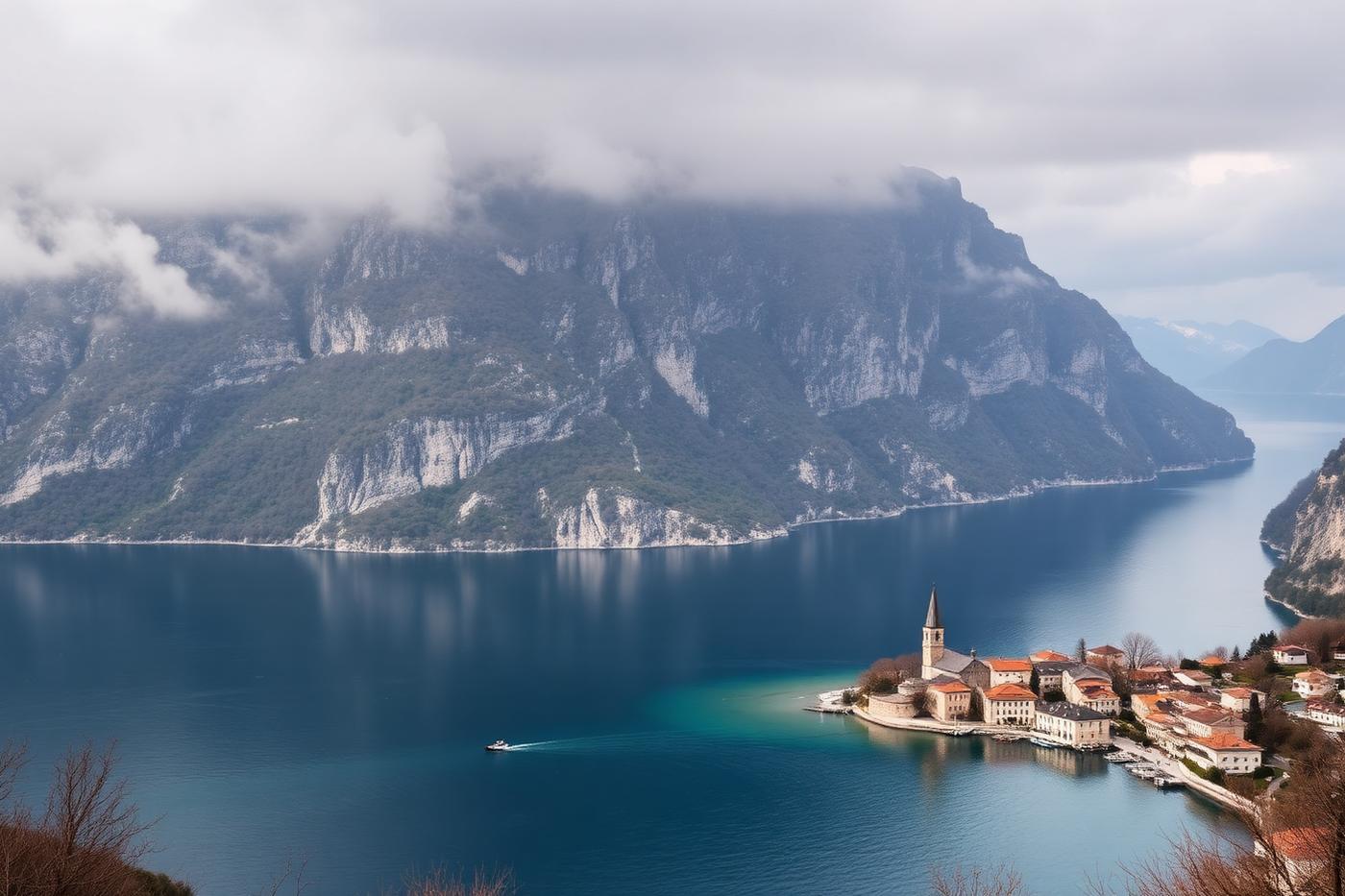
There are days when the mountains surrounding Kotor do not seem to stand on the other side of the water at all, but rather rise out of it. Clouds linger over the slopes, the stone houses turn a darker shade, and the bay becomes a mirror that someone has just touched. This is not the postcard-blue Adriatic that usually sells a summer holiday. And that is precisely why it is an excellent time to start looking.
Outside the high season, Kotor is neither a deserted stage set nor a guaranteed quiet paradise. People live here all year round, and when the stream of tourists thins out, the city's everyday life becomes easier to discern. At the same time, the weather is changeable and what is open to visitors is less predictable. That is the trade-off: fewer open doors, but more space to appreciate what is already there.
Within the Walls
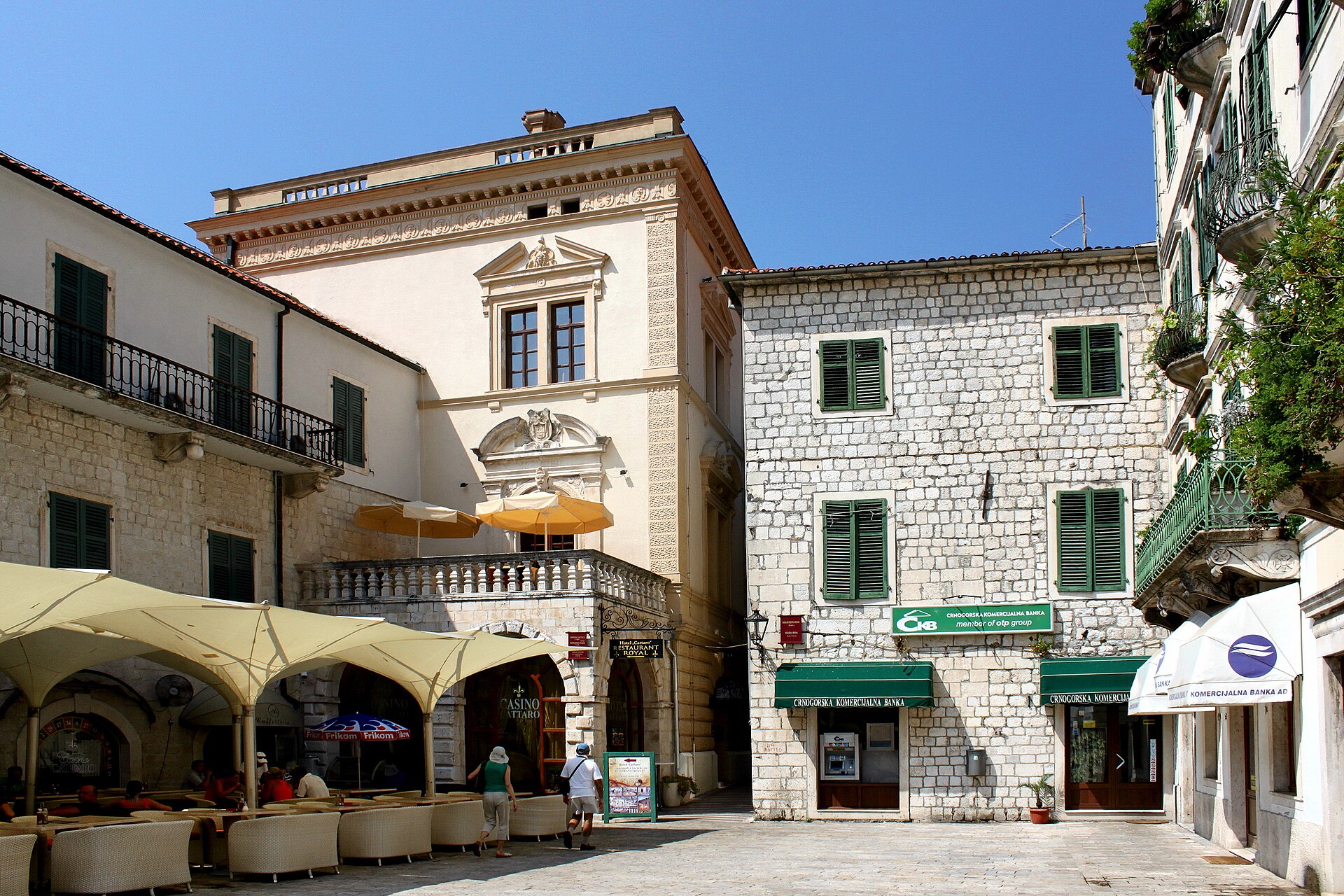
The alleyways of the Old Town unfold behind the gates, but they are not built to be followed in a straight line. One square leads to a smaller one. A narrow passage opens onto a church facade, a window hung with laundry, or a flight of steps winding away from the main thoroughfare. This is a city to walk through slowly, not to rush through.
During the Middle Ages, Kotor was an important trade and art centre on the Adriatic. According to UNESCO, it was home to renowned schools of stonemasonry and icon painting. In 1979, an earthquake severely damaged many of its monuments, including churches and walls. The restored city thus bears both the traces of a long maritime history and of a much more recent effort to preserve it.
When cafe tables do not fill every open corner, the proportions return: how high the walls are, how close the mountain rises behind the roofs, how quickly the sound from one square fades into the next alley. Kotor does not need to be made into a secret place to be interesting. It is enough simply to give it time.
The Mountain is Not a Backdrop
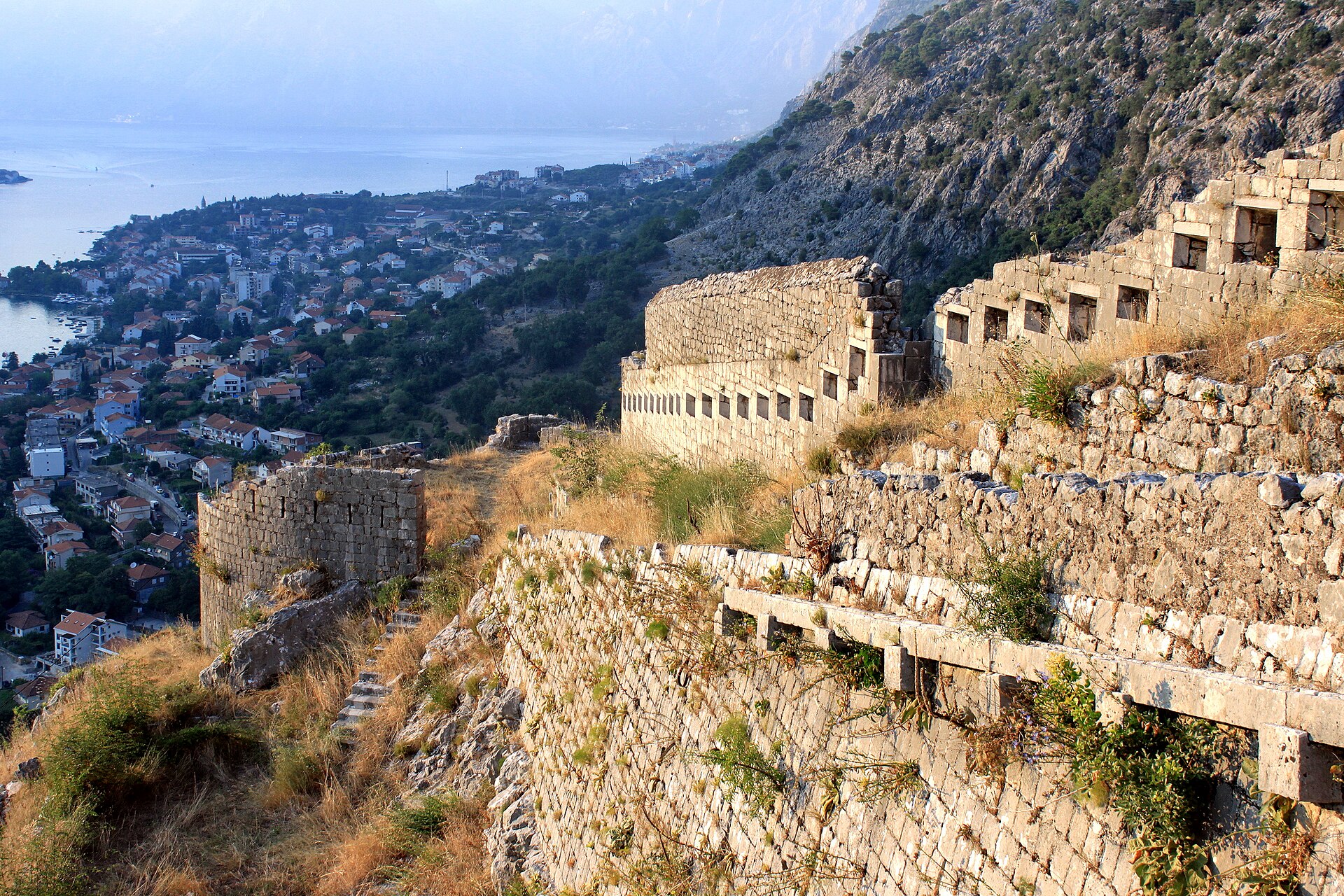
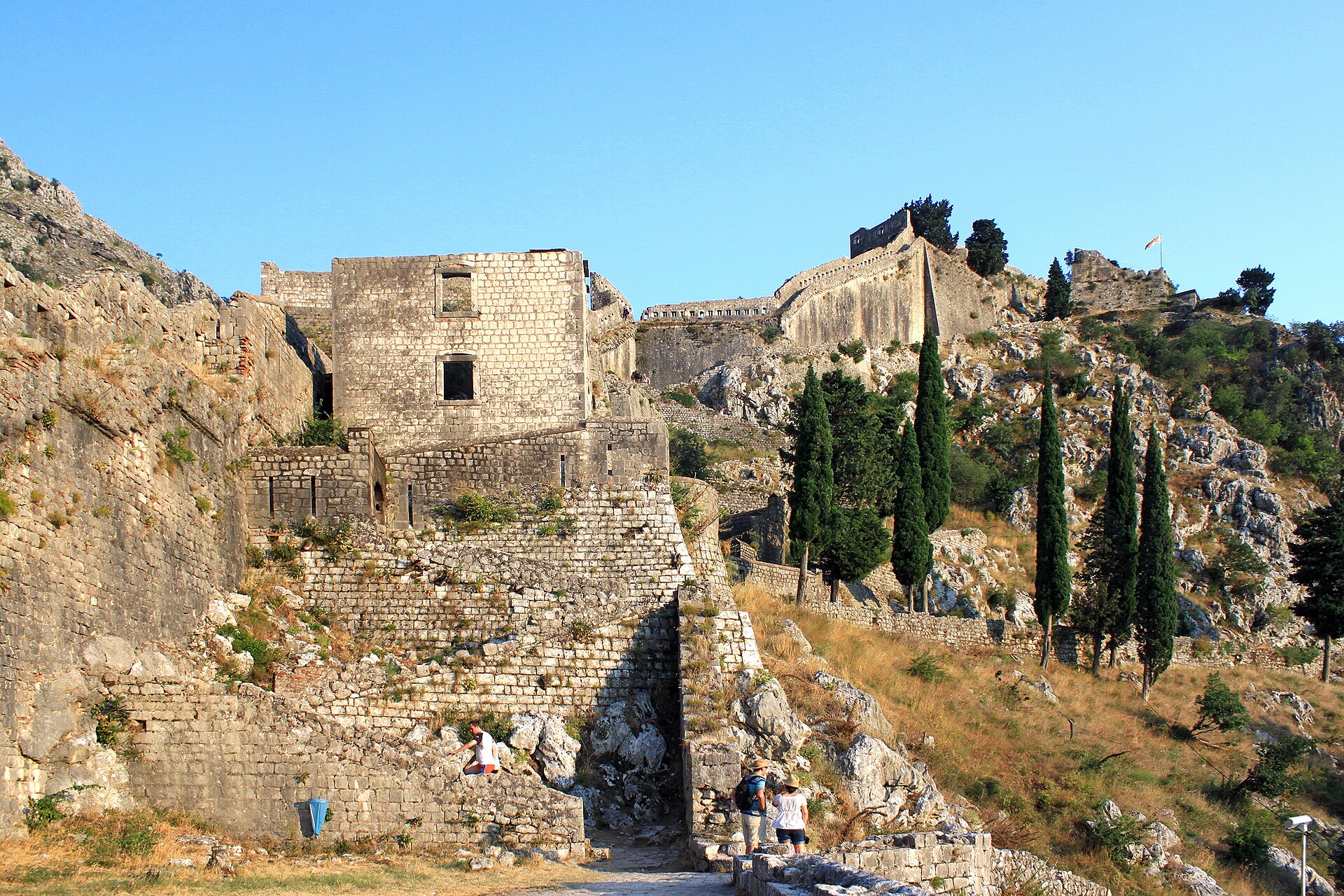
From the shoreline, the fortifications trace the slope up towards the fortress above the city. It is easy to think of the walls merely as a viewpoint, but they were built as a defensive system in which the sea and the heights were interconnected. Montenegro's tourist organisation describes how the wall climbs from the water, winds its way up to the fortress, and then returns downwards.
On a clear day, the climb can be enticing. On a wet day, the same stone looks very different underfoot. Choose your walk according to the weather and daylight, not according to a photograph from July. There is no shame in staying down in the town and letting the mountains be something to look up to, rather than to conquer.
This is also where the Bay of Kotor shows why its name encompasses more than just a single town. The water bends, changes direction, and opens up new vistas behind every headland. The houses on the opposite shore look close, but the road follows the water in long, sweeping curves. A journey around the bay is therefore less about collecting stops and more about understanding how the towns are connected.
Perast, Another Scale
In Perast, the bay strikes a different chord. The buildings are nestled tightly between the water and the mountain; just off the shore lie the two small islands that make the place recognisable from afar. On one stands the church of Gospa od Škrpjela (Our Lady of the Rocks), on a man-made islet. Montenegro's tourist organisation highlights it as one of the bay’s distinct cultural heritage sites.
It is tempting to write that one should simply hop onto a boat, but outside of summer, it is wiser to ask locally about the day's tours and the weather. A quiet stroll along the quay is by no means an inferior alternative. Here, the relationship between the stone facades, the water, and the mountainside is clearly visible, even without a crossing.
Risan, further into the bay, provides another reason not to turn back straight to Kotor. The tourist organisation highlights, among other things, the mussel and oyster farms around Risan. This reminds us that the bay is not just a view: the water is also a place of work. However, travelling there on any given day does not come with guaranteed culinary experiences or opening hours.
What the Off-Season Actually Offers
The off-season is often marketed as if it were simply the high season without the queues. It is not that straightforward. Rain can make a planned boat trip far less appealing. An outdoor restaurant that is open in summer may well be closed. A day in the hills might become a day spent indoors. It helps to spend less time on a rigid itinerary and more on choosing between a few possible days: one for the Old Town, one for Perast, and one for whatever the weather allows.
There is also a winter life here that is very different from the image of empty streets often suggested by travel brochures. Kotor has its own winter events, including a traditional carnival. Dates and programmes change from year to year; this is a reason to check the current calendar, rather than planning your trip based on an old programme.
If you are travelling from the Nordic countries, the main contrast might not be the warmth but the light over the water, and the fact that a historic coastal town remains a functioning town once the bathing season has ended. Bring shoes that can handle wet stone and clothing for both rain and milder moments. Check opening hours and transport options close to your departure. Leave room for an extra walk that was not in the plan.
Kotor out of season is no shortcut to a more 'authentic' Montenegro. It is simply a different pace at which to encounter the same place. The walls remain, the boats may lie still, and the contours of the mountains can disappear for a while. When the clouds part, you see exactly why it was worth the wait.
Sources & further reading
- UnescoNatural and Culturo-Historical Region of Kotor
- Montenegro TourismFortresses
- Montenegro TourismBay of Kotor
- Montenegro TourismBoat trips
Share the article
Translated from Swedish with AI assistance. Read the original.


