
Just beyond Dubrovnik: Župa Dubrovačka is an oasis away from the crowds
Dubrovnik’s historic walls and gleaming limestone streets draw visitors from all over the world – often in such numbers that the experience risks getting lost in the crowds. But just a few kilometres south, a very different pace awaits. The coastal area of Župa Dubrovačka offers the same crystal-clear Adriatic Sea and dramatic scenery as its famous neighbour, but with far more room on the beach and a gentler pace for your wallet.
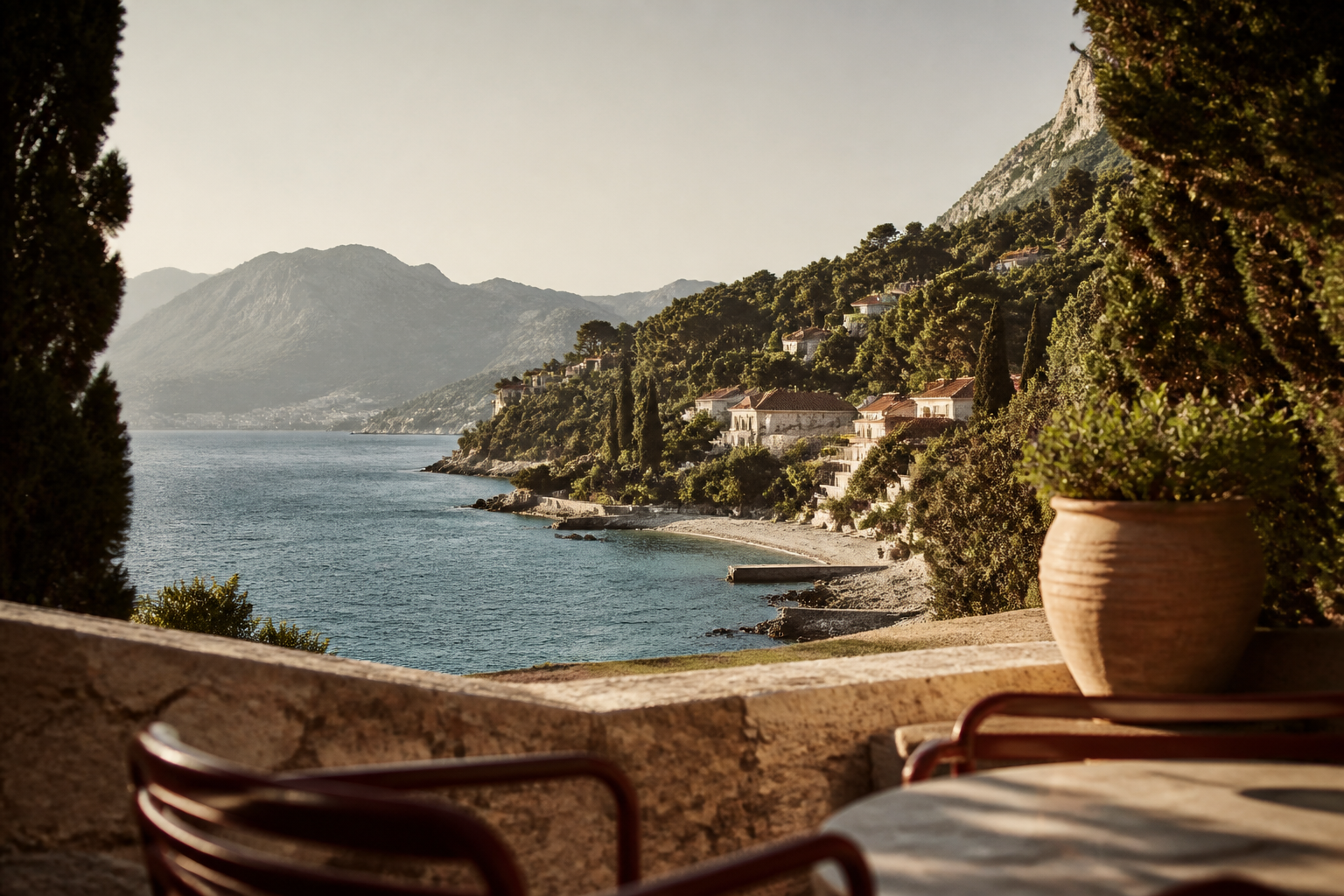
The crowds pouring out of cruise ships into Dubrovnik’s Old Town can make even the most patient traveller long for some breathing space. The answer is often just around the corner. East of the city, tucked against the beautiful Konavle Valley, Župa Dubrovačka stretches around a broad, green bay.
Here, visitors find a long coastline where small villages follow one another, linked by a waterside promenade. It is a place where everyday local life still sets the tone, despite its proximity to one of Europe’s most visited destinations.
Mlini – watermills and shady pines
One of the area’s most characterful places is Mlini. The name literally means “the mills” and refers to the historic watermills once powered by the fresh-water springs that still flow down from the mountains and empty into the sea. The contrast between the cool spring water and the warm salt water makes swimming here special.
Mlini is known for its old stone houses, leafy parks with fragrant pines and small harbours. Here you will find several smaller pebble beaches that rarely get as packed as those closer to Dubrovnik city centre. It is an excellent base for anyone who wants to combine sunbathing and swimming with cool walks beneath the trees.
Kupari – a contrast between luxury and history
A few minutes’ walk from the more modern neighbouring village of Srebreno lies Kupari, a place with a very different kind of fascination. From the post-war period until the early 1990s, this was an exclusive resort for the Yugoslav military elite, complete with grand luxury hotels right on the waterfront. The complex was destroyed during the Croatian War of Independence, and today its abandoned concrete shells remain as monuments to a bygone era.
Despite the silent ruins, Kupari beach itself is one of the region’s finest sand and gravel beaches, well worth a visit for its unique, raw aesthetic.
Easy access to the World Heritage Site
Choosing Župa Dubrovačka as your base does not mean missing out on Dubrovnik. Quite the opposite. Getting around is simple and straightforward.
Local buses (route 10) run regularly between Dubrovnik and Cavtat, stopping in most of the villages in Župa Dubrovačka. The journey to Ploče, the eastern gate of the Old Town, takes around 15–20 minutes. During the summer season, regular water taxis also run directly from the piers in Mlini and Srebreno to Dubrovnik’s Old Harbour – a scenic way to travel that lets you avoid both traffic jams and parking hassles.
Here, you can stay for less, eat at restaurants with more reasonable prices and retreat to the quiet whenever Dubrovnik’s alleyways get too crowded.
Facts
Župa Dubrovačka
- Geographical location: A municipality and bay around 6–10 kilometres south of Dubrovnik, just before the Konavle region.
- Main villages: Srebreno (administrative centre with shopping and hotels), Mlini (historic fishing village with spring water), Kupari (known for its beach and hotel ruins) and Plat (quiet coves at the southern end).
- Transport: Bus 10 runs regularly along the coastal road. In summer, water taxis are a popular and scenic option for travelling directly to Dubrovnik’s Old Harbour.
Sources & further reading
- sv.wikipedia.orgDubrovnik
Share the article
Translated from Swedish with AI assistance. Read the original.


