
Istria checklist: Rules and details not to miss on your trip
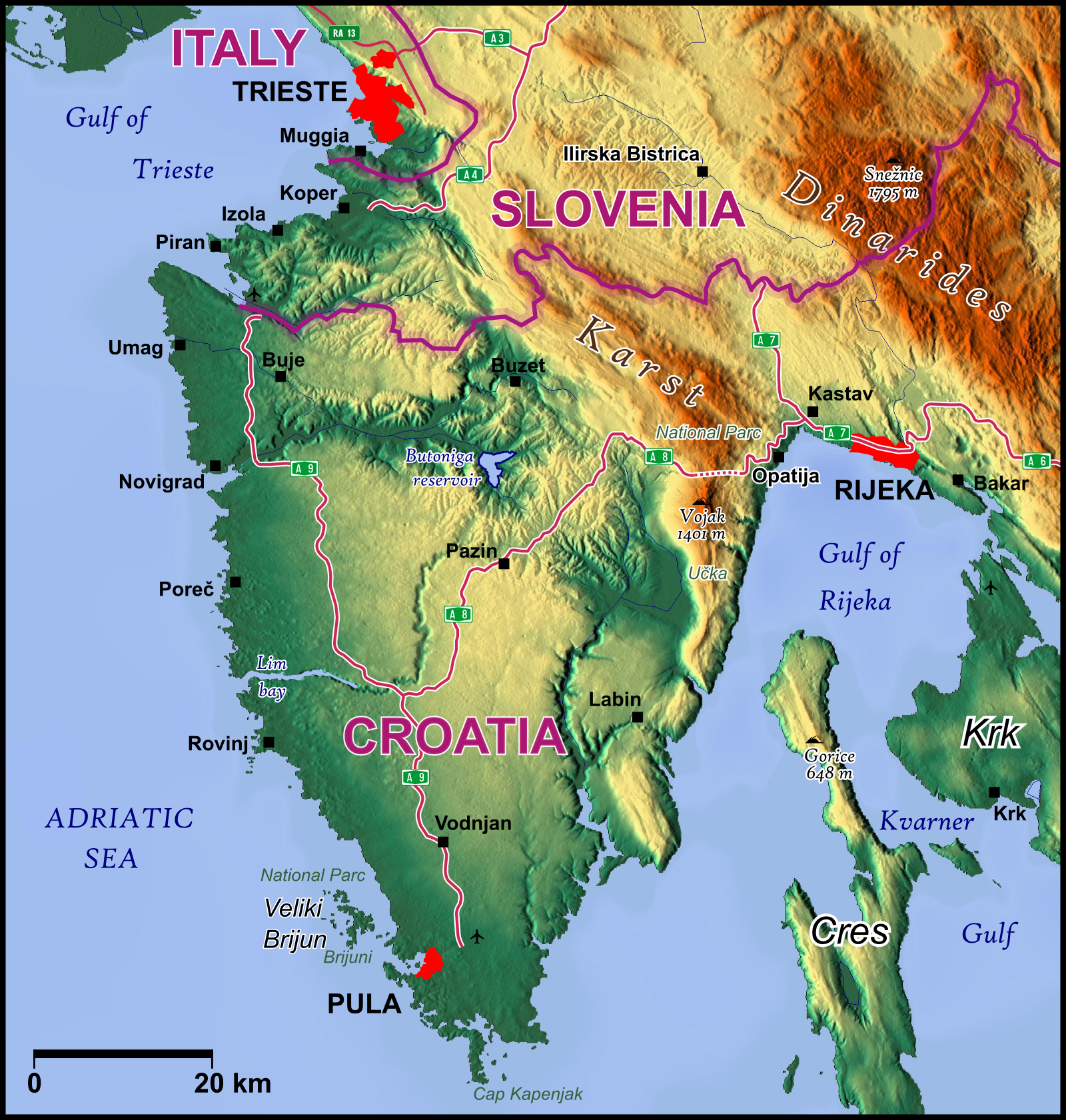
Crossing the border to Croatia’s north-western peninsula has become much easier since the country joined Schengen. But to make sure your driving holiday in Istria goes smoothly, without unnecessary interruptions, there are a few local rules and practical details you need to know about – from mandatory guest registration to the rules for four-legged travel companions.
When you check in at hotels, campsites or registered holiday apartments in Istria, your host or the reception takes care of the formal paperwork for you. Under Croatian law, all foreign guests are automatically registered with the police.
But if you choose to stay privately with friends or acquaintances, the rules are different. You are responsible for registering yourself. As an EU citizen, you must register your stay in person within 24 hours of arrival. You can do this by visiting the nearest police station or local tourist office. Remember to bring your passport. Registration is a standard procedure required for security reasons and to make it easier to respond if anything unforeseen happens during your holiday.
Borders and new entry rules
Croatia’s entry into the Schengen Area in January 2023 meant that the previous physical border checks with other EU countries were abolished. This makes driving through Europe considerably easier. As a tourist from an EU country, you can stay in Croatia for up to three months without a visa.
It is worth noting, however, that the EU is gradually introducing a new digital Entry/Exit System (EES) from 12 October 2025. The system replaces the previous manual stamping of passports with digital registration for citizens of countries outside the EU, which is intended in the long term to help make travel flows smoother.
Still have any old kuna lying around?
Since the beginning of 2023, the euro has been Croatia’s official currency. If you still have banknotes or coins from previous trips in the old currency, the kuna, you can no longer use them in shops or restaurants.
You can still exchange the cash, but this can no longer be done at ordinary exchange offices or banks in Istria. All kuna exchange is now handled exclusively by the Croatian National Bank (HNB). There is no time limit for exchanging old banknotes, but if you still have kuna coins, they must be exchanged at the central bank by the end of 2025.
Travelling to the peninsula with pets
Many people driving from the Nordic countries choose to take their dog or cat with them on a trip to Istria. A valid European pet passport is required to cross the border. This is a standardised and mandatory document issued by authorised veterinarians for dogs, cats and ferrets.
The passport must contain the animal’s microchip number or tattoo number, the owner’s details and documentation of valid rabies vaccination. As long as vaccinations are kept up to date regularly, the passport remains valid.
If you are travelling to Croatia from a country outside the EU, different rules apply. In that case, a special health certificate is required, issued by an official state veterinarian in the country of departure no earlier than ten days before arrival at the EU border.
Facts
Good to know before your trip
- Currency: Euro (€).
- Time zone: The same as in Sweden (GMT+1 in winter, GMT+2 in summer).
- Electricity: The local electricity grid uses the standard 220 V / 50 Hz.
- Customs rules: Croatia follows the EU’s common customs rules for bringing in personal luggage, food and medicines.
Sources & further reading
- Istrias turistorganisationTips for tourists
Share the article
Translated from Swedish with AI assistance. Read the original.


