
Herzegovina’s wine route – from žilavka and blatina to a new European wine region
For generations, winemaking in Herzegovina has been a family tradition shaped by limestone, heat and resilient local grape varieties. Today, the vineyards are linked by the Herzegovina Wine Route – a route that makes the region easier to explore while introducing žilavka, blatina and other local wines to a wider European audience.
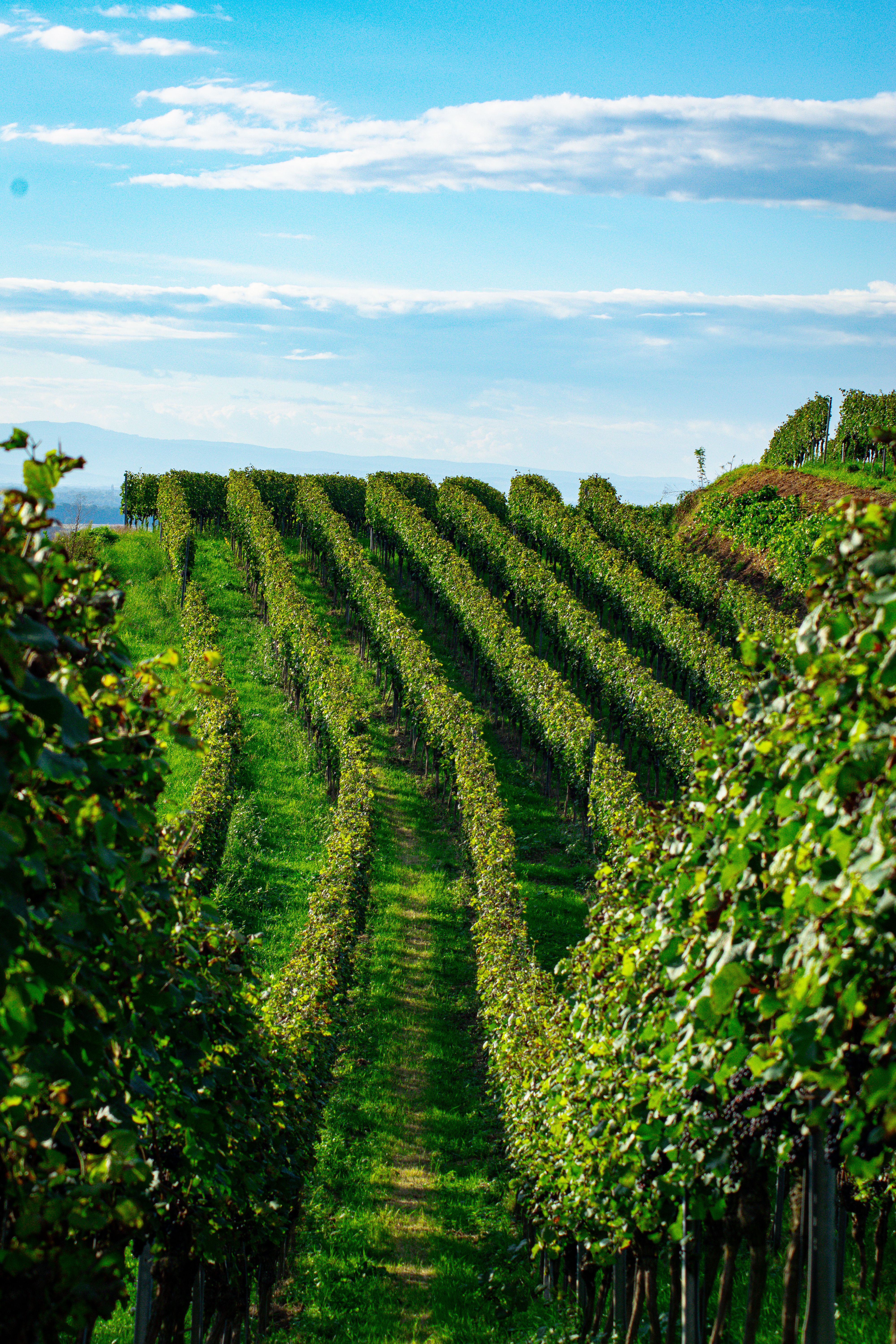
In Herzegovina, wine is nothing new.
It has been grown, stored and served for generations.
But the way the outside world encounters the region’s wines is changing.
What was once often a local affair – family cellars, small producers and personal connections – now has a clearer structure through the Herzegovina Wine Route.
The wine route links producers in Ljubuški, Čitluk, Mostar, Čapljina, Stolac and Trebinje, making it easier for visitors to discover both the wine and the surrounding landscape.
It is also a way to understand Herzegovina from another perspective.
Not through its history or best-known sights.
But through the soil, the grapes and the people who work with them.
From local tradition to international wine region
Herzegovina’s wine has long been deeply rooted in local culture, but in recent years the region has begun to make a more distinct mark beyond Bosnia and Herzegovina.
Today, the Herzegovina Wine Route is more than a map of wine cellars.
A broader network has grown up around wine, encompassing gastronomy, culture, nature and attractions.
The international ambition is also evident beyond the region.
In 2026, Herzegovinian producers presented their wines together at CEE Wine Fair in London, with a particular focus on the area’s terroir and local grape varieties.
This is an important change for a region where wine has long been an integral part of everyday life, but far less familiar to international travellers.
Žilavka and blatina are therefore beginning to take on a different role.
They are no longer just local grapes.
They are becoming Herzegovina’s calling card in the wine world.
Žilavka and blatina – the region’s liquid signatures
To understand Herzegovinian wine is to understand two grapes in particular.
Žilavka is the region’s best-known white variety.
It thrives in Herzegovina’s limestone-rich, stony soils and warm climate, often producing dry, fresh wines with pronounced minerality.
In the glass, it can show notes of citrus, green apple and herbs, sometimes with nuttier or honey-like tones as the wine ages.
Blatina is its red counterpart.
It produces dry, fuller-bodied wines with dark berries, spice and a structure that can develop well with ageing.
Together, the grapes tell us a great deal about the place they come from.
It is hard to separate the taste from the landscape.
The white stone.
The sun.
The dry soil.
And the long growing season.
Čitluk – the heart of wine country
The area around Čitluk is one of Herzegovina’s most prominent wine centres.
Here, vineyards lie close together in a landscape of stone, red soil and long, sunny summers.
At Brkić, Josip Brkić follows biodynamic principles and aims to intervene as little as possible.
Spontaneous fermentation, natural yeast strains and ageing in, among other things, Bosnian oak are part of the philosophy.
Local grapes are at the heart of the work here.
Žilavka and blatina are treated not as nostalgic regional specialities, but as grapes with the potential to express Herzegovina’s soils in their own right.
Tastings are often paired with local food such as homemade bread, pršut, cheese and olive oil.
In the nearby village of Služanj is Marijanović, a family-owned winery with a more modern tasting room.
Here, traditional local varieties meet international grapes and contemporary winemaking.
For those who want to stay longer, smaller family producers around Čitluk may also offer accommodation, food and tastings in the same setting.
This makes the area a natural base for a slow wine trip rather than a quick stop.
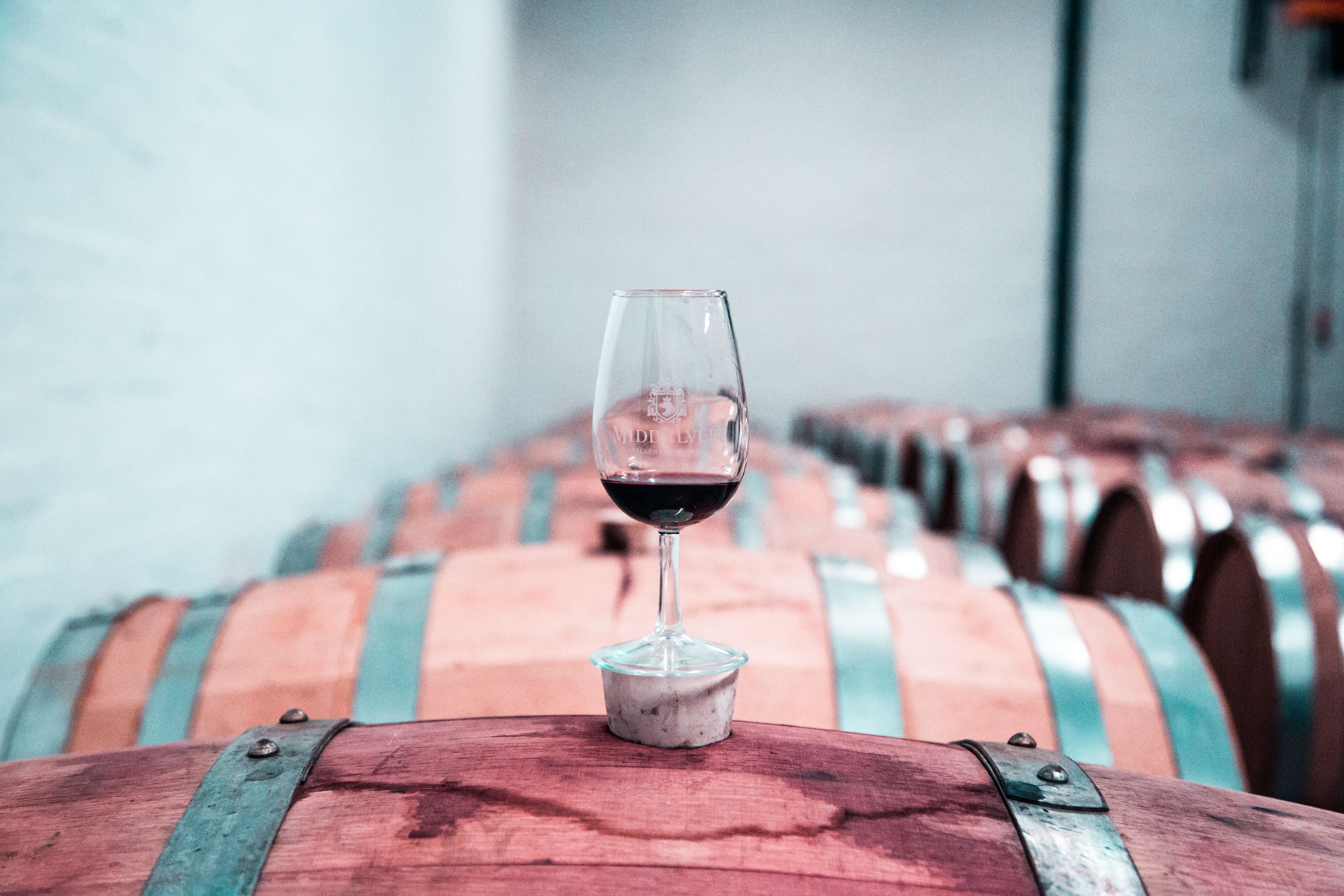
Ljubuški – the limestone that shapes the wine
As you approach Ljubuški, the landscape becomes even more dramatic.
Here you’ll find hard limestone, dry slopes and the nearby Trebižat river.
The Nuić vineyard in Crnopod is a clear example of how winemaking has adapted to the rugged terrain.
To create cultivable land, the limestone has been broken up and worked so that vines can take root in a landscape that otherwise looks almost impossible to farm.
The result is wines in which minerality and local soil play a clear role.
This is also where you can really see the connection between wine and nature.
The vines do not stand on a soft, fertile landscape.
They force their way down through stone.
Trebinje – wine, monasteries and southern charm
In the far south, Herzegovina changes again.
Trebinje lies close to both Montenegro and Croatia and has a softer, more Mediterranean feel.
The town is framed by plane trees and the Trebišnjica river, and wine tradition is an integral part of the region’s identity.
One of the best-known stops is Tvrdoš Monastery.
The monastery’s wine cellar carries on a long monastic winemaking tradition, and one of the historic cellars dates back to the 15th century.
Today, the historic setting is combined with modern wine production.
As well as žilavka, Tvrdoš has become particularly well known for its red wines, with vranac playing a prominent role.
This makes Trebinje a different kind of wine experience from Čitluk and Ljubuški.
Here, monastic history, winemaking and the southern Herzegovinian way of life come together.
More than just vineyards
The beauty of the Herzegovina Wine Route is that it does not have to be planned as a series of tastings.
Between the vineyards lie Mostar, Blagaj, Počitelj, Kravica, Ljubuški, Stolac and Trebinje.
This means a wine trip can easily be combined with culture, nature and food.
A morning can begin in a historic town centre.
The afternoon can be spent in a wine cellar.
The evening can end with local food and a glass of žilavka or blatina.
It is this mix that makes the wine route appealing even to those who are not wine experts.
You do not need to know how to talk about tannins or oak ageing to understand why the wine tastes the way it does.
The landscape explains a great deal by itself.
When wine becomes part of the journey
For Herzegovina, the wine route is also a way to develop tourism.
Small producers gain a clearer place on the map.
Family businesses gain access to more international visitors.
And travellers have a reason to stay longer in the region.
That matters.
For a long time, Herzegovina has been a place many people pass through.
Mostar for a day.
Kravica for a few hours.
Trebinje on the way to the coast.
The wine route encourages a different pace.
To stay.
To book ahead.
To sit down with the producer.
To enjoy the food alongside the wine.
And to let the journey be as much about people as places.
A wine trip that tells you more than what is in the glass
Perhaps the most interesting thing about Herzegovina’s wine route is not how many vineyards you manage to visit.
It is how quickly the landscape begins to explain the wine.
The white stone.
The sun.
The dry slopes.
The family farms.
The food served alongside the bottle.
For those who already know Herzegovina, the wine route offers a new way to read the landscape.
For first-time visitors, it can be a way into the region – from Mostar and Čitluk in the centre to Ljubuški in the west and Trebinje in the far south.
And perhaps that is where Herzegovina’s wine has its greatest strength.
It cannot really be separated from the place where it is born.
Sources & further reading
- exploremostar.comHerzegovina Wine 2026 — Žilavka, Blatina, Top Wineries Route
- wineroute.baVinska cesta Hercegovine
- itervitis.euMostar was declared the "European City of Wine Dionisio 2024" - Itervitis
- nationalgeographic.comHow to explore the Herzegovina Wine Route | National Geographic
Share the article
Translated from Swedish with AI assistance. Read the original.


