
Green Ljubljana and Slovenia’s Rich Food Culture
Ljubljana offers a rare combination of urban sustainability and a rich gastronomic heritage. With one of the EU’s largest pedestrian zones and a former title as European Green Capital, the Slovenian capital is the perfect starting point for discovering a landscape rich in centuries-old wine traditions, local food craftsmanship and more than 170 typical dishes.
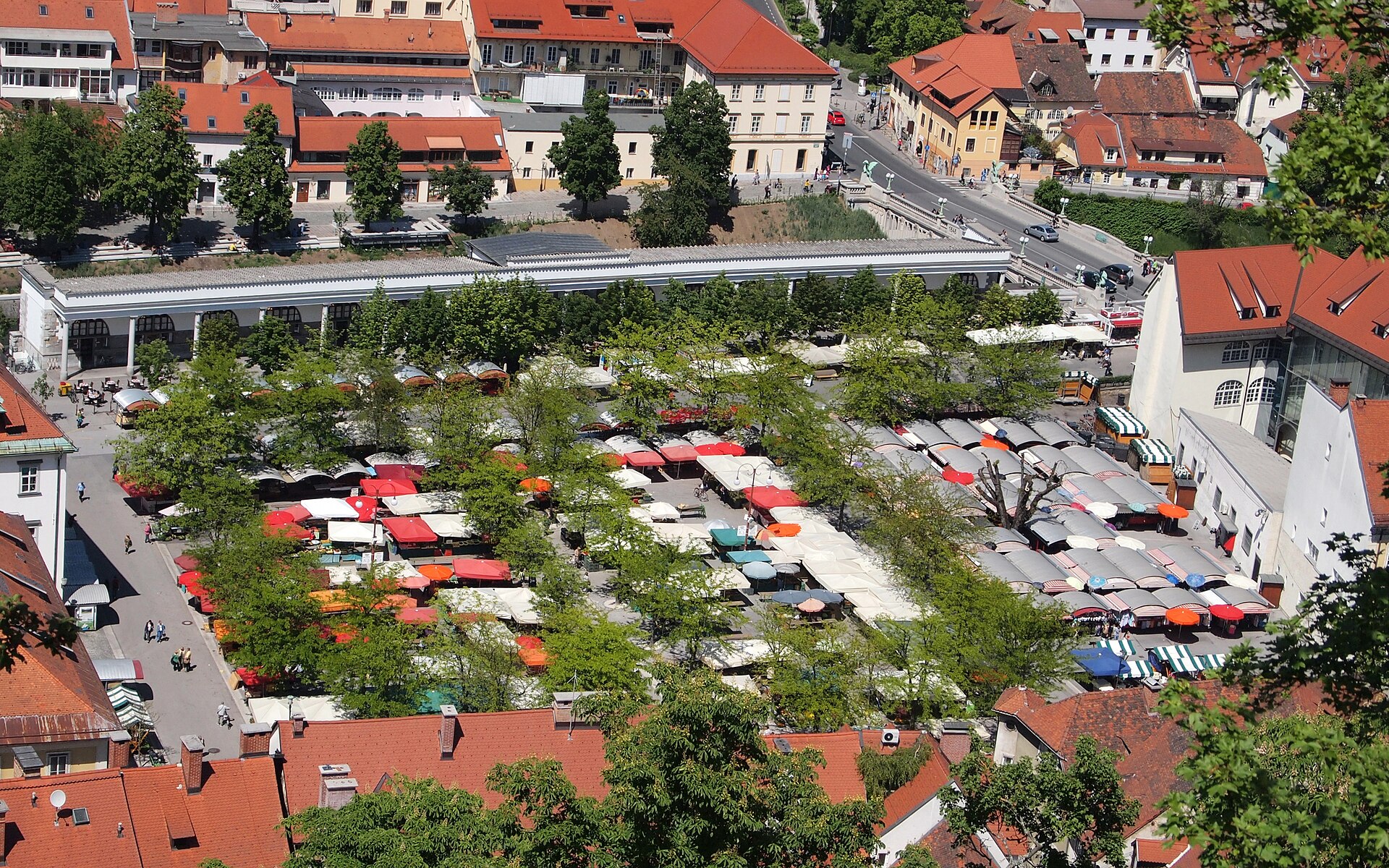
Walking through central Ljubljana is a strikingly quiet experience. Here, where the river winds beneath the city’s bridges, one of the European Union’s largest pedestrian zones spreads out. It is a place where cars have given way to pedestrians and cyclists, and where residents have access to as much as 542 square metres of green space per person.
This conscious commitment to quality of life and the environment led to Ljubljana being named European Green Capital in 2016. But the city’s green credentials extend far beyond its parks and car-free streets. They blend seamlessly with the country’s rich food culture, which was recognised when the region was named European Region of Gastronomy in 2021.
A palette of 170 traditional dishes
Slovenia is small in geographical terms but offers enormous gastronomic variety, divided into 24 unique gastronomic regions and three wine-growing regions. The country boasts at least 170 typical dishes that reflect its changing landscapes, from Alpine peaks to the Mediterranean coast.
Among these traditions, the classic dessert potica holds a special place. It can be made with around 80 different fillings. Although there are many variations, walnut is by far the most common filling on Slovenian coffee tables.
Wine routes and the world’s oldest vine
For those wishing to explore Slovenian drinking traditions, the country’s three wine-growing regions offer a wealth of discoveries. The regions are divided into 14 unique wine districts, each with its own established wine route, inviting visitors to local cellars and tastings.
The character of Slovenian wines varies dramatically depending on where the grapes grow. The wine region of Primorska is home to Teran. In Posavje, by contrast, you will find Cviček. For those who prefer white wines, the region of Podravje offers elegant varieties, with Rhein Riesling and the aromatic Traminec among the best known.
To encounter Slovenian wine history in its most original form, you can travel to Maribor, the country’s second-largest city. Here grows a vine that has survived centuries of change. It is almost 500 years old and has officially been named the world’s oldest living vine. Directly behind this historic vine stands the Old Vine House, which today serves as a centre for showcasing the region’s wine traditions.
Slovenia has 24 gastronomic regions and three wine-growing regions, with at least 170 typical dishes.
From the city square to countryside inns
The surrounding countryside is not far from the capital.
Just a short journey away, family-run inns known as gostilnas serve recipes passed down through generations. In the small village of Kamnik pod Krimom is the restaurant Gostilna pri Mari. This family-run restaurant is now operated by the third generation, Špela Šuc and Rene Šuc.
Getting here from the capital is easy. The journey to Gostilna pri Mari takes around 30 minutes by car or just 15 minutes by train from Ljubljana, making it an accessible excursion for anyone wanting to experience Slovenian food craftsmanship at close quarters.
Sources & further reading
- Turizem LjubljanaVisit Ljubljana - Official Tourism Board Website
- Slovenian Tourist BoardTaste Slovenia - The Culinary Portal
- Odprta kuhnaOdprta kuhna (Open Kitchen) Official Page
- Ljubljanska parkirišča in tržniceLjubljana Central Market Information
Share the article
Translated from Swedish with AI assistance. Read the original.


