
From cold lecture halls to Adriatic energy: why Swedish students choose Croatia
Long, dark winters and traditional study destinations in Western Europe are facing growing competition. As Swedish university students plan their exchange semesters, more and more are looking towards Croatia. With its combination of high academic standards, affordable living costs and a lifestyle shaped by Adriatic sunshine and vibrant city life, cities such as Zagreb and Split have become new academic hubs.

When the autumn term gives way to grey slush at Swedish universities, thoughts of an exchange semester tend to gather pace. But the days when London, Paris or Berlin were the obvious first choices are changing. A new generation of students is looking for something different: a balance between rigorous academic study, an affordable everyday life and a quality of life that extends far beyond the seminar room. This is where Croatia has emerged as one of the most dynamic destinations in the Erasmus programme.
Croatia’s appeal as a place to study lies in its contrasts. On the one hand, the capital, Zagreb, offers a deep Central European cultural heritage and an intense urban student life. On the other, the coastal city of Split draws students with an Adriatic lifestyle where lectures and beach life blend seamlessly.
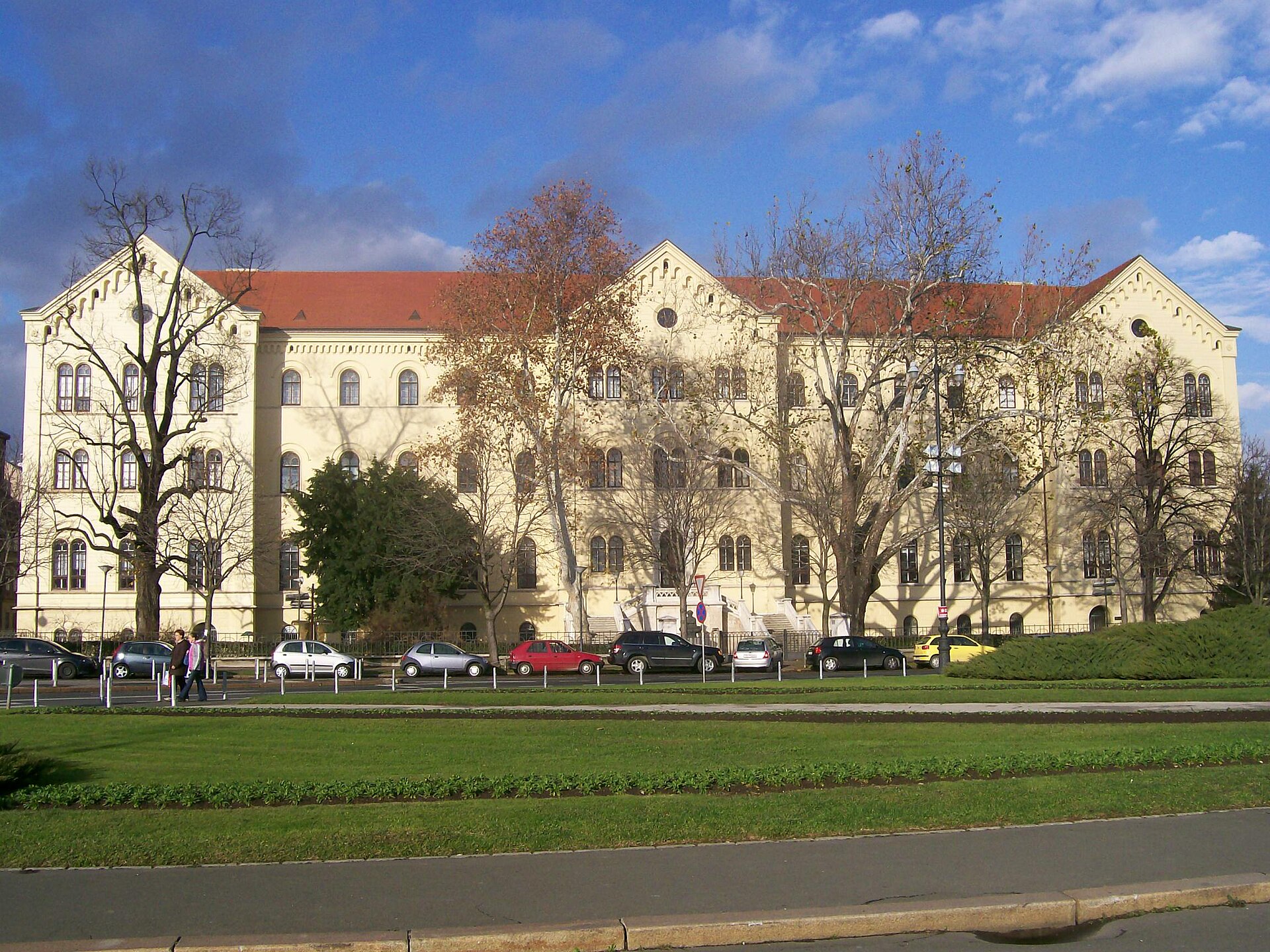
A capital of contrasts: student life in Zagreb
Zagreb is perhaps best known for its leafy parks, Austro-Hungarian façades and lively café culture. But behind the historic setting lies one of south-eastern Europe’s liveliest student cities. Sveučilište u Zagrebu (the University of Zagreb) was founded as early as 1669 and is not only the country’s largest institution of higher education, but also an academic centre with a broad international reputation.
For a Swedish student, life in Zagreb means quickly adapting to a more relaxed, yet energetic, daily rhythm. The local tradition of “špica” – dressing up on Saturday mornings and spending hours over coffee in the city’s squares – soon becomes part of the routine. But it is on weekday evenings that international student life really comes alive.
Among exchange students, certain well-established meeting places act as social catalysts. One of the most enduring Monday traditions takes place at Rakhia Bar in central Zagreb. Students from across Europe meet here to share experiences, talk about their weekend trips and sample local heritage in the form of traditional rakija in countless flavours. It is an informal meeting place that quickly dissolves national boundaries and creates the networks that often define the entire exchange period.
Studying with a sea view: Split’s Adriatic appeal
For students who prefer the scent of salt water and pine trees to the bustle of a big city, Split is the obvious choice. At Sveučilište u Splitu, students study in a setting where history is ever-present, just a stone’s throw from Diocletian’s Palace. In recent years, the university has climbed international rankings and made a name for its research, particularly in marine sciences and technology.
The University Department of Professional Studies (Sveučilišni odjel za stručne studije) is especially popular with international students, offering practically oriented courses in a distinctly international environment.
But perhaps the biggest difference from student life in Sweden is the way nature and the city work together. After a morning of lectures and group work, relaxation is never far away. You can take your course books to the expansive Žnjan Beach to read in the sun, or go for a run in leafy Marjan Park, which rises above the city.
As afternoon turns to evening, students gather on the Riva, the famous palm-lined promenade, where they have an espresso or a local beer as boats set off for the islands. Weekends are often spent taking the ferry to Brač, Hvar or Šolta – adventures that would be considered exclusive holidays in most other study destinations, but here are part of an ordinary study weekend.
The ease of moving: the Bologna system and Schengen
Moving to a new country to study may seem bureaucratically complicated, but the conditions for studying in Croatia have never been better. Since both Sweden and Croatia are EU members and fully integrated into the Bologna system, academic credit transfer is straightforward. Courses are measured in the familiar ECTS credits, which can easily be counted towards a Swedish degree without the student losing valuable time.
Croatia’s entry into the Schengen Area and its adoption of the euro have also made everyday life considerably easier. Border crossings are now seamless, and handling currency is simple.
For those who choose to go as a so-called “free mover” – that is, apply independently to a Croatian university outside their home university’s established exchange agreements – strong support is also available. Organisations such as the Agency for Science and Higher Education (AZVO) and Agencija za mobilnost i programe Europske unije (AMPEU) work actively to internationalise Croatian higher education institutions. AMPEU plays a key role in managing Erasmus+ funding and ensuring that the integration process works for incoming students.
Long-term bridges and personal growth
Swedish students returning home after a semester in Croatia often say that the exchange has changed their perspective in several ways. Many emphasise how much an exchange in the region offers on a personal level. It is about stepping outside the usual Western European routines and encountering a society undergoing rapid development.
Local student representatives such as Tamás Hochrek, who has been involved in welcoming international students, also point out how quickly Nordic students become part of the community. They bring new perspectives to the seminar room, while also embracing south-eastern European hospitality and the more balanced pace of everyday life.
Ultimately, spending an Erasmus semester on the Adriatic is about much more than simply earning academic credits. It is about building bridges between the Nordic countries and the Balkans, discovering a region with a rich history and great potential for the future – and realising that the best education sometimes takes place at the crossroads of study, sunshine and new international friendships.
Facts
STUDYING IN CROATIA – GOOD TO KNOW
- System: Croatia follows the Bologna Process, which means courses earn ECTS credits that are easy to transfer to a Swedish degree.
- Funding: As an exchange student through Erasmus+, you receive a monthly grant in addition to your regular student support from CSN.
- National coordination: Agencija za mobilnost i programe Europske unije (AMPEU) is responsible for the Erasmus programme in Croatia.
- Language: Many universities offer a large and growing number of courses entirely in English for international students.
Sources & further reading
Share the article
Translated from Swedish with AI assistance. Read the original.


