
Coffee on the Emperor’s Steps: How Split’s Daily Life Holds 1,700 Years of History
In Split, history is not fenced off behind museum glass. For the city’s residents, the Roman imperial palace is a living backdrop to everyday morning coffee, where ancient surroundings serve as an open-air living room and the centre of the world is spelled Peristil.
When Emperor Diocletian had his vast palace built on the shores of the Adriatic, it was hardly intended as a communal living room. The palace’s central square, Peristil, was designed to honour the emperor as the living son of Jupiter. Here, his subjects were met by red granite columns – a colour that emphasised imperial power and the status of purple – and were forced to throw themselves to the ground or kneel to kiss the hem of their ruler’s scarlet cloak.
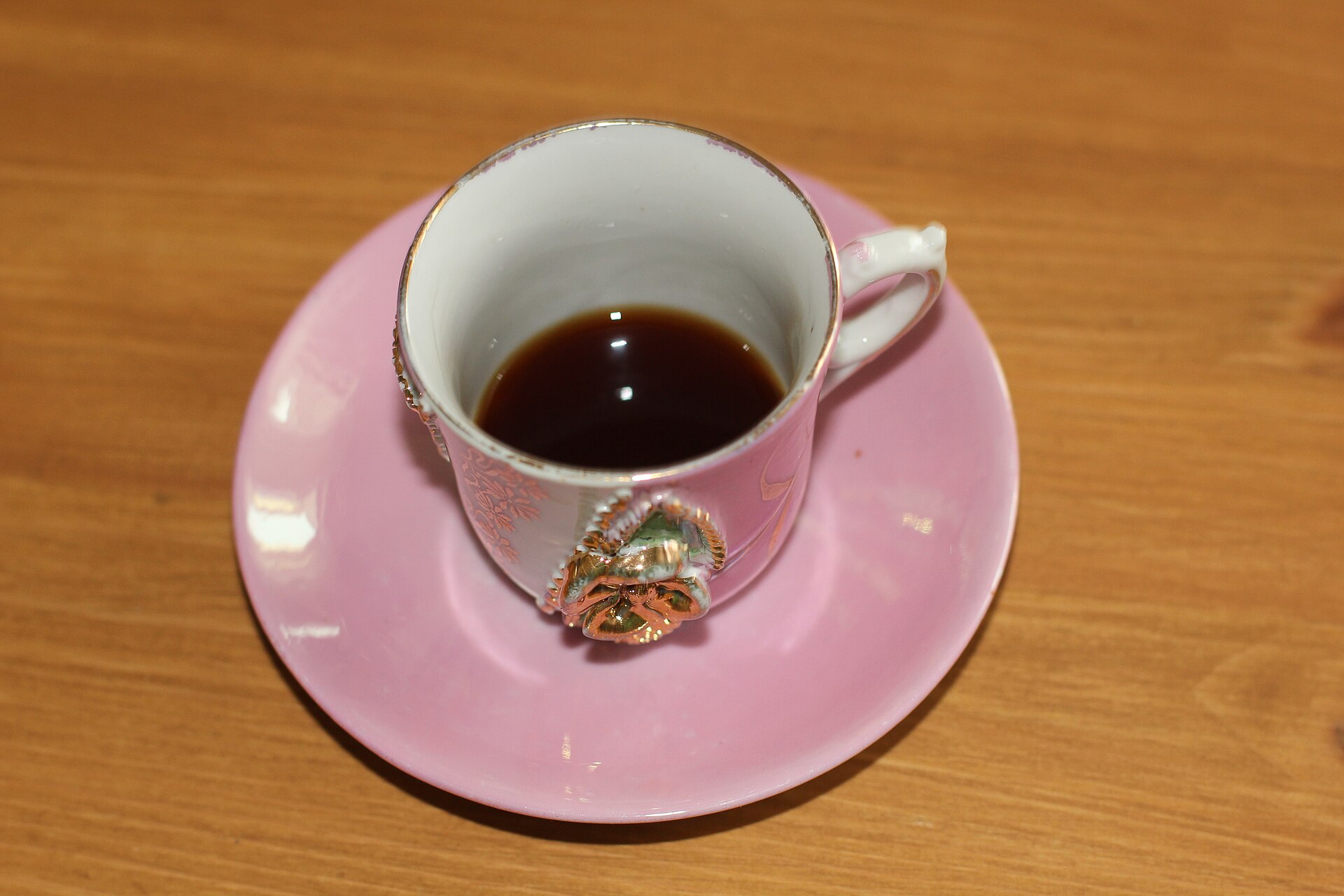
Today, more than 1,700 years later, ceremonial submission has given way to one of the Mediterranean’s most relaxed traditions. In the very place where Roman ceremonies once took place, Split’s residents and visitors now meet to unwind over a coffee on the historic stone steps.
Where eras collide
Settling down on Peristil is more than just taking a break; it is a direct encounter with layers of history. As the city expanded during the Middle Ages and a new square with a town hall, Pjaca, was built in the 14th century, Peristil took on a new character as a religious centre. That did not, however, stop Split’s noble families from building their own homes right beside the ancient remains.
Along the western side of the square, the palaces of the Grisogono, Cipci and Skočibušić families lean against the Roman columns and arches. The result is a unique architectural blend, where Gothic and Renaissance styles merge with the Roman heritage.
A stage for everyday life and drama
It is this physical closeness to history that shapes everyday life in the city. The square serves as a stage for opera and classical drama, thanks to its unique acoustics, but it is the everyday, ongoing rhythm of the city that best defines the place.
For Split’s residents, Peristil is not just a historic attraction to be viewed from a distance. It is the natural heart of the city, where history and the present are constantly allowed to meet over a cup of coffee.
Peristil at a glance
- Origins: Central square in Emperor Diocletian’s palace, built around the year 300.
- Architecture: Surrounded by red granite columns and historic noble residences (Grisogono, Cipci and Skočibušić) in the Gothic and Renaissance styles.
- Significance: Became a religious centre in the 14th century, when the city administration moved to the neighbouring square, Pjaca.
Share the article
Translated from Swedish with AI assistance. Read the original.


