
Beyond the Coast: Slavonia Beckons with Wild Nature and Deep Wine Traditions
While millions of summer visitors head for Croatia's Adriatic coastline, a quiet renaissance is underway in the country’s eastern inland. In Slavonia, Baranja, and Srijem, visitors are met by a rolling landscape shaped by rivers, ancient wine cellars, and unique gastronomic crafts that are now being discovered by a new generation of travellers.
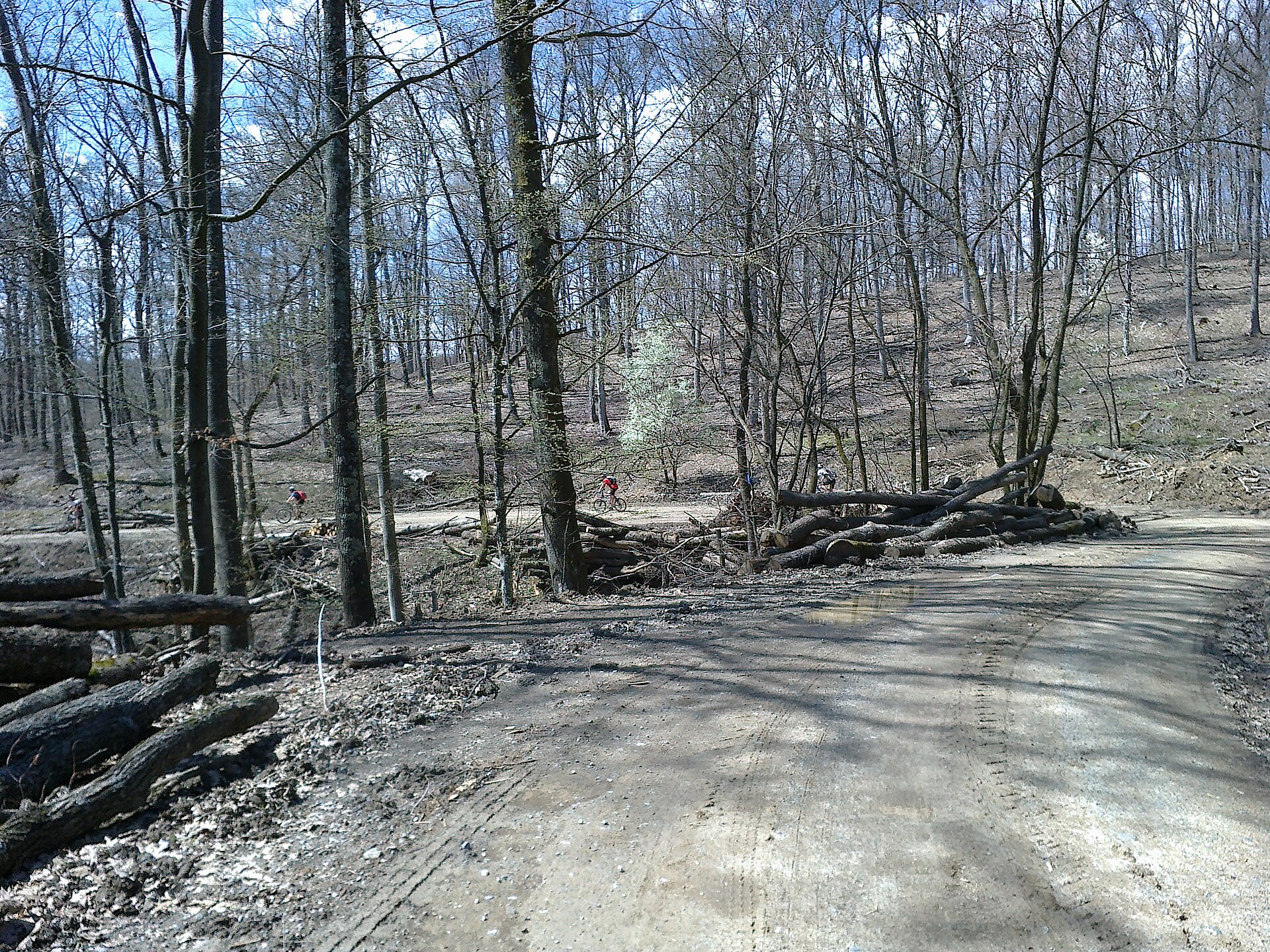
Travellers seeking out Croatia usually turn their gaze towards the Adriatic shimmer, towards medieval stone towns like Dubrovnik and the scent of pine trees along the Makarska Riviera. But in the country's eastern corner, squeezed between the Danube, Drava, and Sava rivers, a completely different landscape unfolds. Here lie Slavonia, Baranja, and Srijem – regions that for centuries served as Central Europe's granary, but which today have been transformed into an exciting destination for food- and wine-focused travellers.
This flat yet in places dramatically rolling inland is characterised by vast fields, deep oak forests, and some of the continent's oldest agricultural land. After decades in the shadow of coastal tourism, a new generation of local entrepreneurs, winemakers, and restaurateurs has begun to redraw the map. They do so not by copying the coast, but by refining their own traditions with modern finesse.
Graševina and the New Wave of Wine Architecture in Kutjevo
In the heart of Slavonia, on the southern slopes of the Papuk mountain range, lies Kutjevo. For the Croatian wine lover, this town's name carries the same weight as Chablis or Barolo in their respective homelands. Kutjevo lies on the 45th parallel – the same latitude as Piedmont, Bordeaux, and Oregon – providing optimal conditions for viticulture.
The dominant grape here is graševina (also known as Welschriesling). While in other parts of Central Europe this grape is sometimes reduced to a simple everyday wine, in Slavonia it reaches its full potential. Here, it yields everything from crisp, mineral-rich wines with notes of green apple to full-bodied, complex harvests capable of aging for years.
Kutjevo's wine history stretches back to 1232, when Cistercian monks founded a cellar that is still in use today. But alongside the historic vaults, a modern wine scene is emerging. New generations of winemakers are combining ancient knowledge with modern technology and bold architecture. Several of the newly built wineries in the region are architectural landmarks in their own right, where raw concrete and local oak blend with the surrounding vineyards. It is a visual and sensory experience showing that Slavonia's wine history does not only belong to the past, but is very much being shaped in the present.
The Battle for Kulen – The Craftsmanship Behind the Inland's Pride
If graševina is Slavonia's liquid gold, kulen is its gastronomic crown jewel. This spicy, air-dried sausage is so closely linked with regional identity that its production has become a cultural heritage in its own right.
Kulen is made from the finest cuts of pork, traditionally from the indigenous black Slavonian pig (crna slavonska svinja), locally known as fajferica. The breed, which at one point was close to extinction, has enjoyed a major renaissance thanks to dedicated breeders who let the animals roam free in the vast oak and beech forests. This yields a dark, marbled meat with a deep, nutty flavour.
The meat is coarsely minced and mixed with garlic and generous amounts of red paprika – both sweet and hot – before being stuffed into a natural casing. The paprika is crucial; it gives the sausage not only its characteristic brick-red colour but also a balanced heat that lingers on the palate. The sausage is then slowly cold-smoked using Slavonian oak wood and cured for several months. Slicing into a mature kulen is a ritual act in Slavonian homes, where each family often has its own secret balance of sweetness, saltiness, and smokiness.
Historic Cellars and the Danube Wine Landscape of Ilok
Further east, where Slavonia transitions into Srijem and borders the Danube, lies the town of Ilok. It is Croatia's easternmost outpost, dramatically situated on a hill above the river. Here, one is met with an almost contemplative silence, where the slow flow of the river sets the pace.
In Ilok, the winery Iločki podrumi (Ilok Cellars) dominates, with historical roots stretching back to the 15th century. The cellars beneath Odescalchi Castle are famous for their unique storage conditions, where the temperature is kept constant year-round thanks to the thick stone walls.
It is from here that one of the region's most famous wines originates: Ilok Traminac (Gewürztraminer). The grape thrives on the sun-baked plateaus above the Danube, developing an intensely aromatic profile with scents of rose petals, honey, and lychee. The wine holds a special place in European drinking history; at the coronation of the British Queen Elizabeth II in 1953, Traminac from Ilok was served – a bottle of which is still represented in the royal collections, and its vintages are still tenderly cared for in the deep cellar vaults.
The New Inland Life – Agritourism and Baranja Hedonism
North of the Drava River lies Baranja, a region whose name fittingly originates from the Hungarian words for wine (bor) and mother (anya). Baranja is often described by Croatians themselves as a place of pure hedonism – a lifestyle where food is allowed to take time, where hospitality is boundless, and where nature dictates the terms.
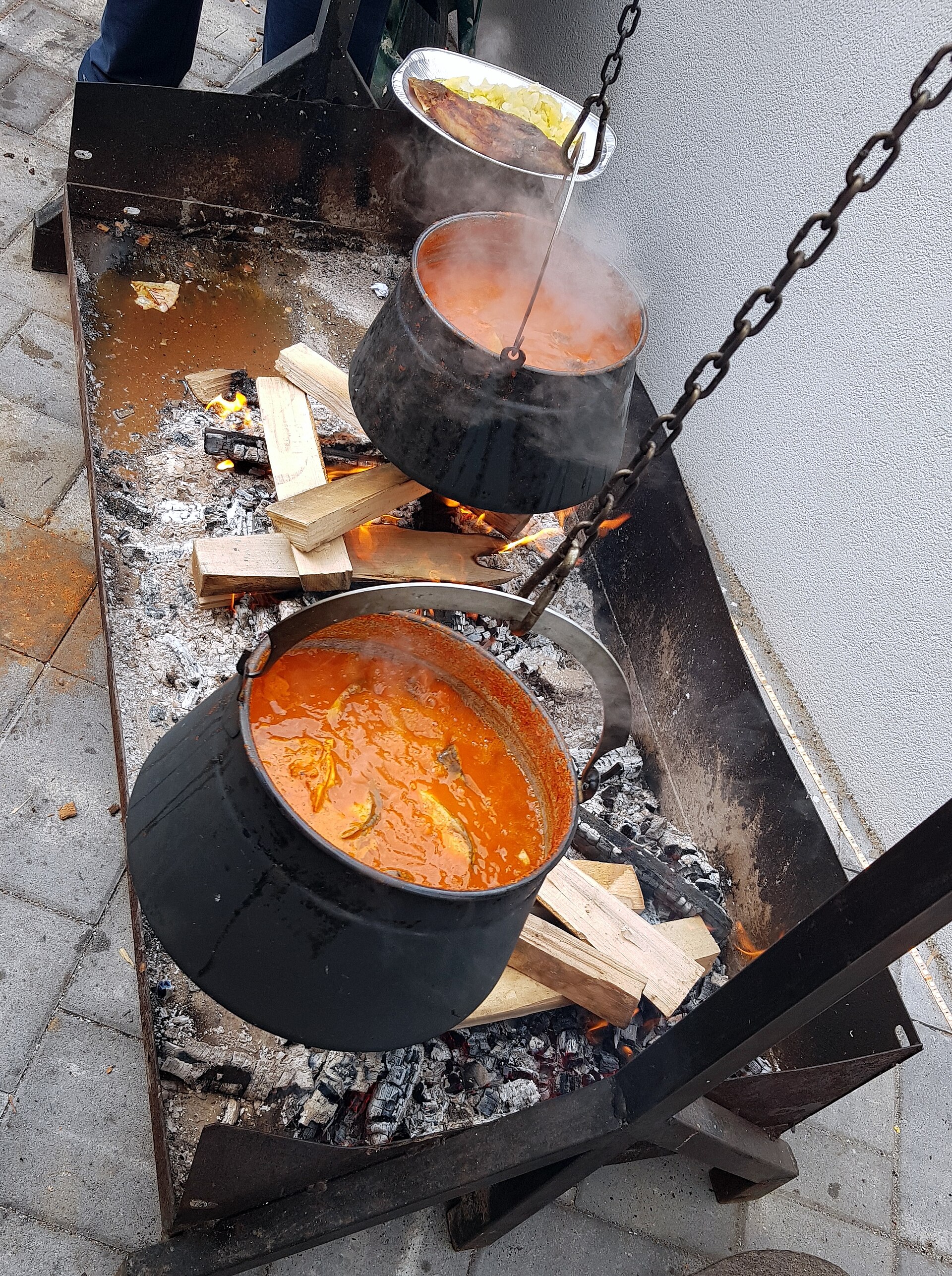
Here, agritourism has flourished in recent years. Old farmhouses have been renovated and transformed into inviting, individual guesthouses where visitors can stay right among the vineyards, cycle along the rivers, or simply enjoy slow-cooked stews over an open fire. The traditional dish fiš paprikaš – a fiery river fish stew cooked in a copper cauldron over an open fire – is a must for anyone wishing to understand the soul of the region.
This living cultural landscape is flanked by wild nature. The Kopački rit Nature Park, situated where the Drava meets the Danube, is one of Europe's largest and best-preserved wetlands. Hundreds of bird species gather here, and guided boat tours through the quiet canals offer a total contrast to the intense bustle of the coast. Further west rises Papuk, a forested mountain range with UNESCO Global Geopark status, offering spectacular hiking trails through ravines and past old castle ruins.
Travelling through Croatia's eastern inland is to discover a country in no hurry. It is a region shaped by centuries of borderland history, but which now looks to the future with pride in its produce, its wines, and its untouched nature. For those wishing to experience the authentic, untamed Croatia, far from the well-trodden tourist paths, Slavonia and Baranja await with open arms.
Facts
SLAVONIA & BARANJA – TRAVEL FACTS
- Location: Croatia's eastern inland, bordering Hungary to the north and Serbia and Bosnia and Herzegovina to the east and south.
- Getting here: The nearest international airports are in Zagreb, Belgrade (Serbia), or Budapest (Hungary). The region's unofficial capital, Osijek, also has a smaller airport.
- Key grapes: graševina (white), traminac (white), frankovka (red).
- Local specialities: kulen (spicy sausage), fiš paprikaš (fish and paprika stew), čobanac (rich meat stew).
Sources & further reading
- repository.fthm.uniri.hrMATEJA JUGOVIĆ Potencijali razvoja vinskog turizma ...
- croatiarevealed.comVinski turizam u Hrvatskoj I Vodič za početnike
- zir.nsk.hrVinski turizam u Slavoniji i Baranji
- portal.privatnismjestaj.hrGASTRO TURIZAM SLAVONIJE, BARANJE I SRIJEMA
Share the article
Translated from Swedish with AI assistance. Read the original.


