
Between Brutalism and Espresso Cups: Student Life in Podgorica Draws International Attention
For anyone looking for an unconventional place to study, Montenegro’s capital offers a distinctive mix of Yugoslav brutalism, an intense café culture and growing academic networks. Through programmes such as Erasmus+ and the European Ulysseus alliance, the country’s universities are opening their doors to increasingly close exchanges with the Nordic countries.
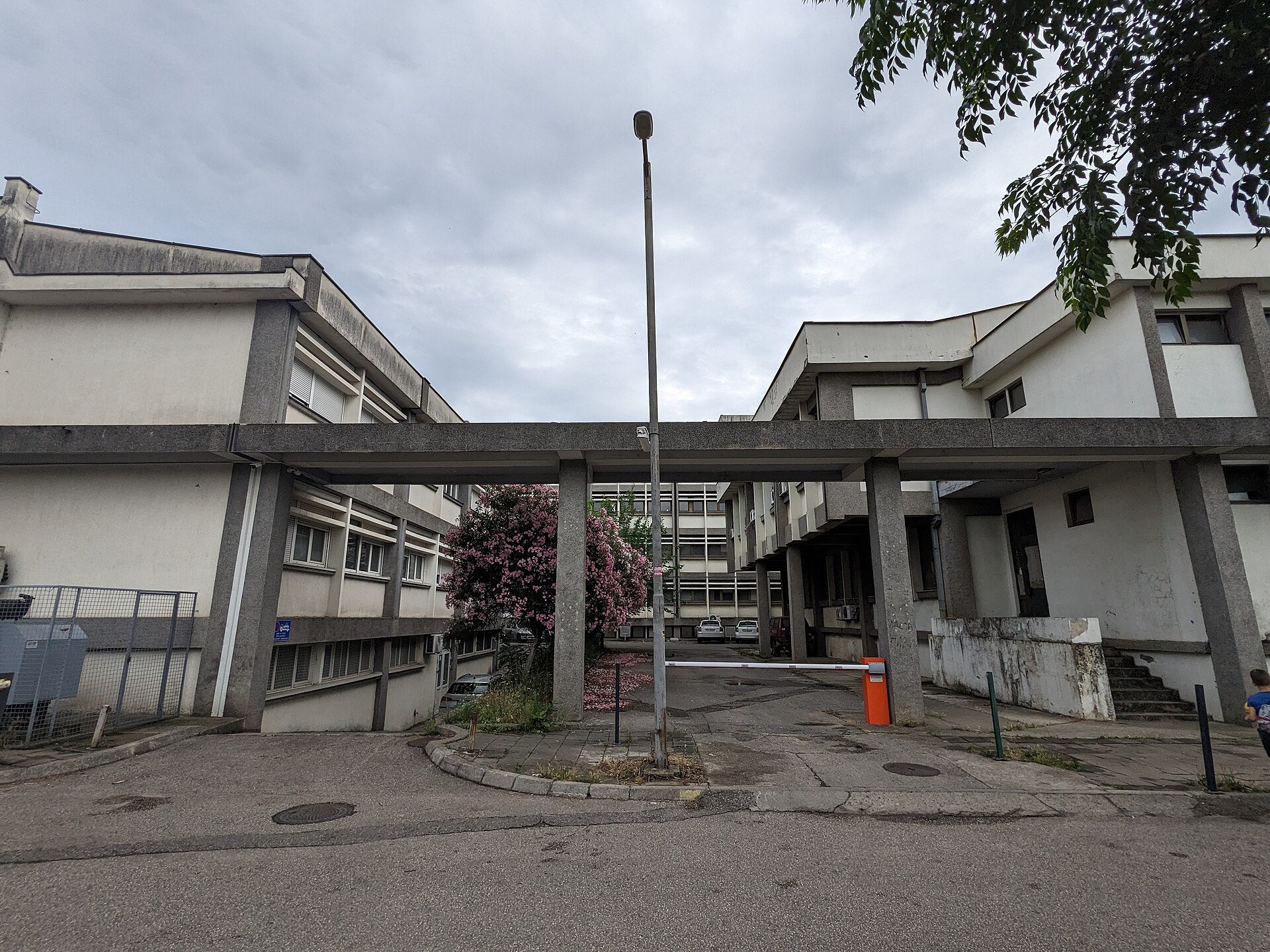
As the morning mist lifts over the Morača River, Podgorica’s leafy boulevards quickly fill with young people making their way to lecture halls. Montenegro’s capital may not be the first name that comes to mind when Nordic students plan a term abroad, but the city is buzzing with academic energy that deserves attention. Here, the monumental concrete architecture of the former Yugoslavia meets a modern southern European way of life, where conversations over an espresso never seem to end.
For anyone wanting to experience a region in rapid change, Podgorica offers a unique vantage point. It is not just about earning academic credits, but about understanding a corner of Europe that stands with one foot in its complex history and the other in a European future.
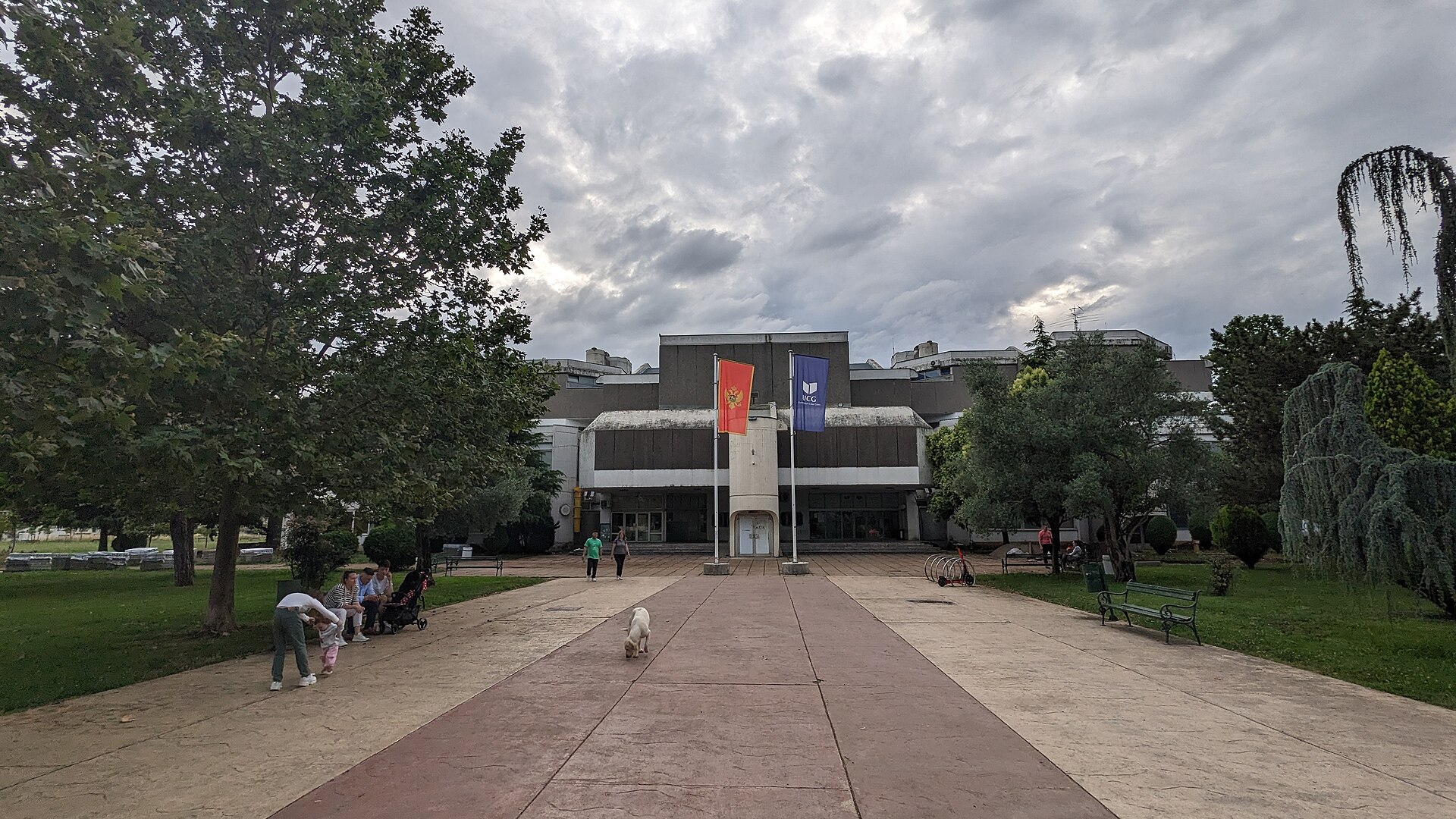
The academic heart: Univerzitet Crne Gore
The state university, Univerzitet Crne Gore (UCG), was founded in 1974 and is the country’s largest and oldest higher education institution. With its main campus strategically located in the newer part of Podgorica, the university brings together most of the country’s academic disciplines, although some specialised faculties are elsewhere – such as the distinguished Filozofski fakultet (Faculty of Philosophy) in the industrial city of Nikšić.
In recent years, the university has undergone noticeable modernisation. Under the leadership of rector Vladimir Božović and vice-rector for internationalisation Sanja Perović, considerable emphasis has been placed on improving the quality of its programmes and integrating the institution into the European Research Area. The aim is to break with old, rigid academic structures and replace them with a more interactive, student-centred approach to learning.
The university’s physical environment reflects this period of transition. The older faculty buildings bear traces of the monumental architecture of the socialist era, while newer additions and the surrounding parks offer modern study spaces and meeting places. For international students, this creates an environment that feels both steeped in history and forward-looking.
Bridges to the Nordic countries: Erasmus+ and new networks
Internationalisation is no longer just a buzzword in UCG’s strategy documents, but a very tangible reality. The most important driver of this work is the EU’s Erasmus+ exchange programme, which facilitates student and staff mobility between Montenegro and the rest of Europe, including the Nordic countries. But cooperation extends further than that. Through regional networks such as CEEPUS (Central European Exchange Program for University Studies) and bilateral agreements such as Turkey’s Mevlana programme, Podgorica has become a hub for students from across south-eastern Europe.
One of the most prestigious steps in the university’s international ambitions has been joining Ulysseus, an alliance of European universities aiming to create cross-border academic cooperation. The network opens up opportunities for joint courses, research projects and virtual mobility, making it significantly easier for Nordic and Montenegrin students to meet and work together on shared projects.
The university describes this development as a significant step forward in almost all the areas that define a modern higher education institution.
Alongside the major exchange programmes, more specialised collaborations are also growing. One example is networks such as CENNA (Central European Network for Teaching and Research in Academic Writing), which aims to improve the quality of academic writing and publishing – a key issue for Montenegrin researchers seeking to reach an international audience.
Student life: Café culture, City Kvart and “polako”
Studying in Podgorica is very much about life between lectures. The city has one of the youngest populations in Europe, which gives it a distinctive character. People live outdoors whenever the weather allows, and the Montenegrin concept of polako – best translated as “take it easy” or “slow down” – sets the pace of everyday life.
Academic life in the city has two geographical centres of gravity. On the one hand, there is the classic Preko Morače (“across the river”), a district of wide boulevards, leafy courtyards and a huge range of traditional cafés, where students and professors sit side by side over a macchiato costing just over 1.50 euros. On the other hand, there is hypermodern City Kvart, an area that has grown up around the university campus and is now the city’s entertainment hub, with trendy bars, restaurants and nightclubs.
For a Nordic student, the cost of living is one of the biggest practical advantages. CSN funds go considerably further here than in most other European capitals. Eating a good lunch at a local konoba or renting a flat near the university is very affordable.
The location is also hard to beat. Montenegro is a small country, and from Podgorica it takes just under an hour by train or bus to reach the Adriatic coast to the south, or just as long to head north to the mountain region around Kolašin for skiing in winter and hiking in summer.
UDG – the global alternative
Alongside the state-run UCG, Podgorica is also home to the private University of Donja Gorica (UDG), located on the southern outskirts of the city. With its distinctive, futuristic glass architecture, UDG represents another side of Montenegro’s education landscape.
UDG has chosen a distinctly global profile, focusing on entrepreneurship, innovation and information technology. The university has close ties with businesses and international partners, including in the USA and China. Students are encouraged from an early stage to think globally and entrepreneurially. For anyone interested in how society in a young country is seeking to position itself in the global digital economy, UDG offers an exciting and dynamic environment, often hosting international lecturers and entrepreneurs.
A choice that offers perspective
Choosing Podgorica as a study destination is not the most well-trodden path, and it calls for a degree of personal initiative. The Montenegrin administration can sometimes feel complicated, and the language may initially be a barrier outside the university walls. But students who take the plunge say they gain something that the more traditional exchange destinations in Western Europe rarely offer: genuine insight into a region marked by striking contrasts, exceptional hospitality and an infectious zest for life.
At a time when the academic world is becoming increasingly standardised, an exchange in Montenegro offers precisely what higher education is really about – challenging your own perspectives and discovering new ways of seeing the world.
Facts
STUDYING IN PODGORICA – QUICK FACTS
- Institutions: Univerzitet Crne Gore (UCG, state-run, founded in 1974) and University of Donja Gorica (UDG, private).
- Exchange programmes: Erasmus+ is the most common route for Nordic students. CEEPUS and the Ulysseus network also offer opportunities.
- Language: Most exchange courses are offered in English, but availability varies between faculties.
- Cost of living: Very affordable for Nordic students. A cup of coffee costs around 1.50–2 euros and a simple restaurant meal around 6–9 euros.
Sources & further reading
- eurydice.eacea.ec.europa.euBilateral agreements and worldwide cooperation - Eurydice network
- ucg.ac.meUniverzitet Crne Gore
- ucg.ac.meFilozofski fakultet - Univerzitet Crne Gore
- fundit.frUniversity of Montenegro - fund it
Share the article
Translated from Swedish with AI assistance. Read the original.


