
Above the Clouds in Durmitor: Where Shepherding and the Craft of Cheese Refuse to Disappear
When summer heat shimmers over Montenegro’s Adriatic coast, shepherds and hikers head up towards Durmitor’s stark limestone plateaus. Here, among alpine meadows and wind-battered wooden huts, the age-old katun culture lives on. It is a world where time is measured in milking sessions and summer grazing, and where one of Europe’s most distinctive delicacies still matures in sheepskin.
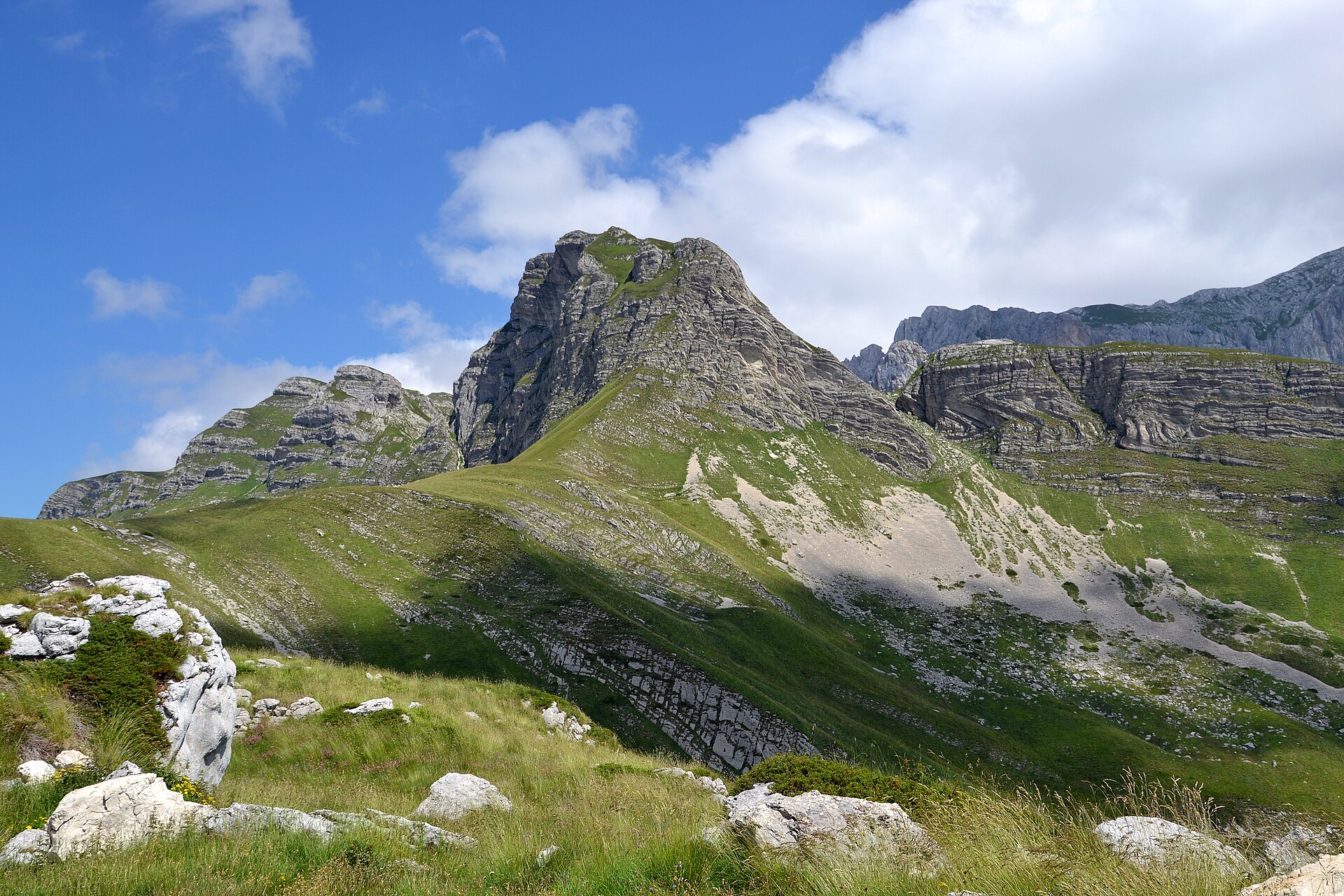
Just a few hours’ drive from the lively beaches of Budva and the Venetian alleyways of Kotor, Montenegro changes completely. Palm groves and sea spray give way to deep spruce forests, dizzying ravines and, at last, a stark, almost otherworldly plateau dominated by Durmitor’s mighty limestone peaks. Up here, at an altitude of more than a thousand metres, lies Žabljak – the highest town on the Balkan Peninsula. But the true highland life unfolds higher still, on the vast alpine meadows where the temporary mountain villages, known as katuns, hold out against the fast pace of modernity.
Stepping into a katun during the summer months is like crossing an invisible boundary in time. Since the Middle Ages – the earliest written documents mentioning these settlements date from 1435 – shepherding families in northern Montenegro have practised izdig. This is the annual seasonal migration in which livestock is driven up to the rich highland pastures as soon as the snow melts in late May or early June. Families remain in their simple wooden huts until the first frosts in October. This is not nostalgic folklore or staged tourism. It is a living, practical economic strategy that has ensured the survival of shepherding families for centuries.
The craft of sheepskin
Milk and its transformation are at the heart of life on the mountain. As shepherding has historically required ways to preserve food without refrigeration, unique preservation techniques have evolved. The best-known and most celebrated of these is the making of Durmitorski skorup, a traditional dairy product that today has protected geographical indication status.
The process is time-consuming and demands absolute precision. Milk from cows and sheep grazing on Durmitor’s herb-rich meadows is brought to the boil and poured into wide, shallow wooden vessels. As the milk cools, a thin layer of cream forms on the surface – this is the basis of skorup. The layers of cream are carefully collected day after day, salted and stacked in large wooden tubs.
But it is the next step that gives this delicacy its distinctive, robust character. The salted cream is packed tightly into a mjesina, a carefully cleaned and prepared sack made from sheepskin. In this airtight environment, the cheese is left to mature for anything from a few weeks to several months. The result is a creamy, full-bodied and intensely flavoured cheese, with distinct notes of the mountain’s wild herbs and the unique character that only maturation in sheepskin can impart.
In late summer, when the sheep produce their most concentrated milk, jardum is also made. This is a thick, salted drink made from sheep’s milk, simmered extremely slowly with constant stirring until it reaches an almost yoghurt-like consistency – an energy-rich drink that has given shepherds the strength to endure long days on the mountain for generations.
Moba – the unwritten law of community
Life at these high altitudes has never been easy. Durmitor’s weather is unpredictable; a brilliant sunrise can turn within an hour into freezing, driving rain or a sudden fog that swallows the entire landscape. To cope with isolation and demanding chores, shepherds have always relied on one another through the custom of moba.
Moba is a deeply rooted tradition of collective help between neighbours. When a family faces a particularly demanding task – such as the annual haymaking before the autumn storms arrive, or putting a new roof on a hut – friends, neighbours and relatives gather from across the mountain plateau to work together. No financial payment changes hands; instead, the host family provides plenty of food and drink, along with the obligatory local plum brandy, rakija. The work often ends with singing and stories accompanied by the gusle, the traditional one-stringed bowed instrument. This culture of mutual dependence has shaped the boundless hospitality that hikers heading up to the mountain villages encounter today.
The simple magic of mountain cooking
When you sit down at a rough-hewn wooden table in a katun, it is the simple, original flavours that take centre stage. Mountain cooking is designed to fill and warm you after a long day outdoors, and the ingredients come almost entirely from the farm itself.
The best introduction for visitors is kačamak, the highlands’ undisputed national dish. It is a thick, hearty purée of potatoes and corn or wheat flour, which is boiled and then pounded together for a long time with a special wooden pestle, a tucanj. Once the mixture is completely smooth and uniform, generous amounts of melted skorup and aged hard cheese are stirred in. The dish is served piping hot, often with sour milk. It is a substantial, comforting and almost addictive meal.
Before a meal, or as an accompaniment to coffee, you are often offered priganice – golden, deep-fried dough parcels, crisp on the outside and airy within. They are traditionally served with local wildflower honey or more of the salty skorup, a perfect combination of sweet and savoury.
Adventures at the foot of the mountain
For Nordic visitors who want to experience this way of life at close quarters without disturbing the shepherds’ daily work, the area around Pošćenski katun and the mirror-still Pošćensko Lake is an ideal starting point. Here, dramatic mountain walls and gentle green valleys come together in a landscape that invites slow exploration.
Local figures such as Ivan Karadžić have taken on the role of building bridges between shepherding traditions and modern ecotourism. By offering guided horseback tours along the old herding trails, they give visitors the chance to experience the landscape at the same pace as generations before them. Riding through quiet valleys, past grazing flocks of sheep and small wooden houses with smoke rising from their chimneys, offers a rare sense of timelessness.
Montenegro’s katuns are at a turning point today. The younger generation often heads for the cities or for the more accessible tourism industry along the coast, while shepherding demands hard work seven days a week throughout the summer. But the nomination of this unique pastoral system to the UN’s global agricultural heritage system (GIAHS) shows that awareness of its value is growing.
Visiting Durmitor’s mountain villages is not just a journey through geography, but very much a journey through a way of life. It is a reminder that the richest experiences are often found where mobile reception is weakest, and that the finest luxury is measured not in stars, but in the taste of a freshly baked priganica and the warmth of a welcome shaped by centuries of community.
Facts
KATUN CULTURE AT A GLANCE
- Katun: A seasonal mountain village or settlement used by shepherds during the summer.
- Izdig: The annual migration from the valleys up to high-altitude summer pastures, usually in late May or early June. The return takes place in October.
- Durmitorski skorup: A traditional dairy product made from cow’s and sheep’s milk, salted and stored in sheepskin bladders (mjesina). The product has protected geographical origin in Montenegro.
- Jardum: A traditional highland drink made from salted sheep’s milk, slowly simmered in late summer.
- Moba: An age-old custom of neighbourly help and collective work to tackle demanding farming tasks.
Sources & further reading
- traveltomontenegro.comLife on the Katuns of Montenegro | Tradition and Everyday Life
- ruralholiday.meŽabljak: Eco Katun Durmitor
- katunroads.meFood
- travelaizer.comTraditional cheese and cream production in a mountain idyll
Share the article
Translated from Swedish with AI assistance. Read the original.


